Asset Finance for Renters: How Australian Renters Can Use Asset Financing to Get Ahead

Asset Finance for Renters: How Australian Renters Can Use Asset Financing to Get Ahead
If you rent your home, you might assume that financing a vehicle, a piece of machinery, or business equipment is out of reach. It's not. This guide breaks down exactly how asset finance works for renters in Australia, what structures are available, and how to choose the right one for your situation.
1. Fast answer: Can renters get asset finance in Australia?
Yes, renters can absolutely access asset finance in Australia, even without owning property. You do not need a mortgage or equity in real estate for the vast majority of asset finance structures.
For most asset finance deals - cars, work utes, trucks, machinery, tools, business equipment - lenders care far more about your income, credit history, and the value of the asset you're financing than whether you own a home. Lenders assess the specific asset being acquired as security for renters, which means the financed item itself backs the deal, not your house.
Renters can qualify for asset finance based primarily on income and credit score. The key asset finance options available include:
Hire purchase
Chattel mortgage
Finance leases
Operating leases
Personal and business asset loans arranged through a broker like GEA Capital
A common myth persists that you need property equity to qualify. That's simply false. Asset finance is a fast-growing funding choice for businesses across Australia, and many sole traders and small businesses renting in 2024–2026 successfully use it every day.
The rest of this article explains how each option works, which suits different business needs, and how GEA Capital helps renters compare offers across multiple lenders.
2. What is asset finance for renters?
Asset finance for renters means using loans or leases to acquire vehicles, equipment, or other long term assets when you don't own real estate to pledge as security. Instead, the asset itself - the car, truck, excavator, coffee machine - serves as collateral. Asset finance allows using existing assets as collateral for loans, and in new purchase scenarios, the item you're buying fills that role.
This structure makes asset finance accessible to anyone renting, because default enforcement is against the financed asset, not against property you don't own.
Here are two examples relevant to Australian renters:
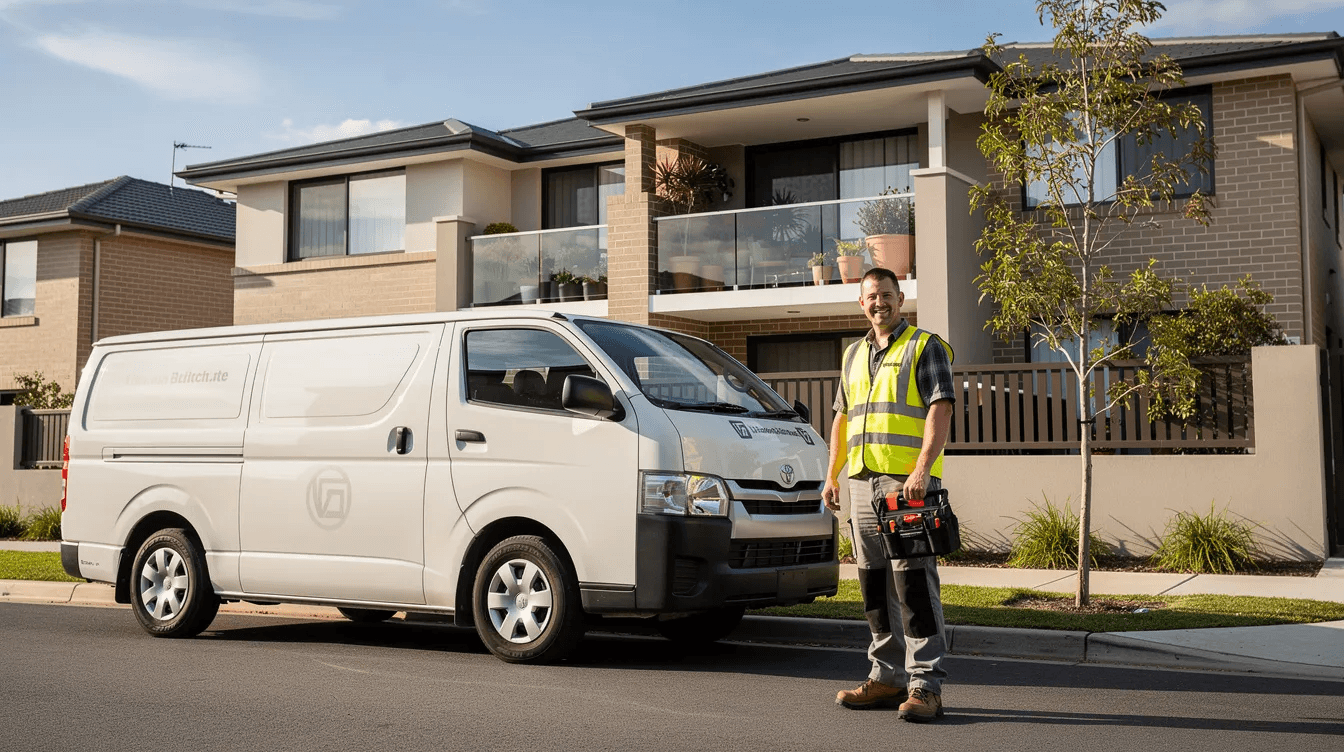
A sole trader electrician living in a Melbourne rental apartment financing a work van. The van secures the loan, repayments are structured over three to five years, and the electrician's rental status is irrelevant to the lender's security.
A café owner leasing an espresso machine while renting the shop premises. The equipment itself backs the arrangement, allowing the business owner to claim depreciation and other deductions.
Both individuals (for cars and personal assets) and Australian businesses (for equipment and vehicles) can use these asset finance options while remaining renters. Whether you're financing long term assets like heavy machinery or a daily driver, ownership of real estate is not a prerequisite.
3. Why asset finance matters if you're renting (benefits and risks)
Renters often have less accumulated equity but still need vehicles and equipment to earn income and grow their business. Asset finance bridges that gap without requiring you to drain your savings or wait until you own a home.
Benefits for renters
Preserve savings: Businesses can spread costs over time with asset finance, so you keep cash available for bond, rent, and everyday expenses. Asset finance helps renters maintain their savings by allowing spread payments instead of large upfront costs.
Avoid the upfront cost: Rather than paying $30,000–$50,000 cash for a van or fit-out, you make regular repayments matched to your income.
Predictable budgeting: Fixed monthly repayments help you plan around rent and other commitments.
Flexibility: If you relocate between cities or states, leasing structures and shorter terms can accommodate that mobility.
Build credit: Timely asset finance payments build a credit profile, which may strengthen a future home loan application.
Tax advantages: Business use of financed assets can unlock deductions for interest, depreciation, and GST - more on this in later sections.
Asset finance can help businesses manage cash flow effectively by converting large capital outlays into manageable periodic payments.
Risks to weigh
You should always evaluate risks and benefits of each asset finance option before signing:
Repossession: Missed payments on asset finance can negatively affect credit scores and result in asset repossession. The lender can take back the asset if you fall behind.
Total cost: Total costs of asset finance often exceed the initial cash price of the asset due to fees, interest, and charges over the life of the arrangement.
Cash flow strain: Financing long term assets with a short term loan can create pressure, especially if your income fluctuates seasonally. A five-year van loan spreads costs comfortably, while a two-year term on the same asset would roughly double your monthly outlay.
A balanced approach is essential. Seek independent financial and tax advice before committing to any structure.
4. Core types of asset finance available to renters
Here is a brief overview of the main types of asset finance structures renters encounter in Australia. Later sections dive deeper into hire purchase, finance leases, and chattel mortgage.
Hire purchase: The finance company buys the asset; you hire it through instalments and take ownership after the final payment.
Chattel mortgage: You own the asset from day one; the lender registers a security interest against it. Popular for business asset purchases.
Finance lease: The lessor owns the asset; you pay lease repayments over a fixed term and may have an option to purchase at the end.
Operating lease: A shorter rental arrangement focused on use rather than ownership, suited for rapidly depreciating equipment. Commercial rentals of this kind are generally unregulated agreements in Australia.
Unsecured business loans: Sometimes used for smaller equipment or purchasing inventory, though interest rates are typically higher.
Additional structures exist for niche needs. Asset refinancing uses existing assets as collateral for loans when you need working capital from equipment you already own. Consumer leases allow for renting household goods and may offer upgrade options at the end. Rent-to-own combines rental with an option to purchase the asset outright at the conclusion of the rental period.
All of these can be used by renters provided they meet lender criteria. GEA Capital, as a Melbourne-based broker, works with a panel of lenders who offer each of these structures to Australian businesses and individuals.
5. Hire purchase explained for renters
Hire purchase is an agreement where a finance company buys the asset and you "hire" it through regular payments over a fixed term. Once you make the final payment, ownership transfers to you.
Under hire purchase agreements, renters can finance cars, utes, trucks, and equipment without property security, because the asset itself provides asset security for the deal. Hire purchase allows installment payments for asset ownership, giving you a clear path to owning the asset outright.
Typical terms
Duration: usually three to five years in Australia
Fixed monthly repayments for the life of the agreement
Option to include a balloon payment at the end, reducing your regular instalments
Pros for renters
Predictable costs with no surprises month to month
Clear path to ownership - you know exactly when the asset becomes yours
Ability to claim business-related tax deduction items like depreciation and interest if the asset is used for business purposes
Cons to consider
You're committed for the full term, even if your business slows or you relocate
If the asset depreciates faster than expected, you could owe more than it's worth
A large balloon payment at the end can create pressure if you haven't planned for it

6. Finance leases and operating leases when you rent your home
A finance lease and an operating lease both let you use an asset without buying it outright upfront, but they work quite differently. Both are suitable for renters.
Finance leases
In a finance lease, the lender (lessor) owns the asset. You, the lessee, use it for a fixed term and make regular lease payments that cover most of the asset's useful life. At the end, you typically face a residual or final payment and may have the option to acquire the asset. Finance leases require monthly payments without ownership transfer during the term. Equipment leasing of this type offers an ownership option at contract end in many cases.
Rentals allow use of an asset for periodic payments, and the lessor retains ownership and bears residual value risk. Rental payments are generally tax-deductible as operating expenses, which can reduce your tax liability.
Contract hire is specifically for vehicle leasing and management, often bundling fleet management services, maintenance costs, and insurance into a single monthly cost - useful for businesses running multiple vehicles.
Operating leases
Operating leases are for short-term use without ownership intent. They suit technology, medical equipment, or specialist plant that depreciates quickly. At the end of the lease, you return the asset, upgrade, or negotiate a new rental arrangement. This keeps the item as an operating expense rather than a liability you own.
Why renters might prefer leases
No need to tie up large amounts of cash
Easier to upgrade equipment as needs change
Potential to keep large liabilities off your personal balance sheet in some structures
GEA Capital can help compare finance lease versus operating lease offers against other asset finance options like hire purchase or chattel mortgage for your specific business needs.
7. Chattel mortgage for renters: using the asset as security
A chattel mortgage is a secured loan over a movable asset - the "chattel" - such as a car, truck, or piece of machinery. Unlike hire purchase, the borrower owns the asset from day one. The lender takes a security interest registered on the Personal Property Securities Register (PPSR).
In the 2024–25 financial year, motor vehicles comprised about 69% of new PPSR registrations by collateral class, underscoring how common this form of asset security is for vehicle finance in Australia.
Why chattel mortgage is popular with Australian businesses
GST-registered businesses can claim the input tax credit on the purchase price upfront, improving cash flow immediately.
The business owner can claim asset depreciation and deduct the interest portion of repayments as a tax deduction.
Ownership from day one means the borrower is the asset owner throughout the term.
Suitability for renters
Because security is the asset itself, lack of property ownership is not a deal-breaker. If your income and credit profile are acceptable, you qualify. GEA Capital regularly arranges chattel mortgage structures for sole traders and SMEs who live in rental properties across Melbourne and wider Australia, through its asset and equipment finance service.
8. Structuring repayments, residuals and balloon payments
Getting the repayment structures right is critical for renters, whose financial circumstances already include rent as a significant fixed expense. Rent is a significant fixed expense that can affect the affordability of additional finance repayments, so structuring your deal carefully matters.
Balloon payments and residual values
A balloon payment (or residual value) is a lump sum due at the end of a hire purchase, chattel mortgage, or finance lease. It lowers your monthly repayments during the term but means you need a plan for that final payment - whether through savings, refinancing, or selling the asset.
Numeric example
Suppose you finance a $40,000 van over five years at roughly 8% p.a. interest:
Structure | Monthly repayments (approx.) | Final payment |
|---|---|---|
No balloon | ~$800 | $0 |
30% balloon ($12,000) | ~$620 | $12,000 |
The balloon option frees up around $180 per month - meaningful when you're also covering rental payments. But you must plan for $12,000 at the end of year five, or arrange to trade in or refinance the vehicle.
Interest rates for asset finance loans range from 2% to 15% depending on lender, credit profile, and asset type. Calculating total ownership costs including running expenses like insurance, registration, and maintenance costs is crucial for renters considering asset finance. The total cost of finance over the full term will almost always exceed the purchase price of the asset.
Avoid overusing balloons. If rents rise or you face relocation costs, that lump sum at the end can create a cash crunch. Consider the impact on cash flow and financial flexibility before locking in a large residual.

9. Matching asset finance to your business needs and rental lifestyle
Renters often need flexibility. You may relocate, change premises, or pivot your business more frequently than property owners. Asset finance options depend on your business needs, so matching the right structure to your situation is worth the effort.
Questions to ask yourself
How long will you need the asset? If it's a long-life item like a ute or industrial oven, ownership structures like chattel mortgage or hire purchase make sense. If you only need it for a short project, an operating lease or short term asset finance arrangement may be better.
How intensively will you use it? High-kilometre or high-hour usage affects residual values and should influence your term and balloon decisions.
How stable is your income? Casual, seasonal, or contract-based income favours lower regular payments with flexibility, while permanent employment or steady business revenue supports stronger repayment structures.
Think about the future
If you plan to apply for a home loan, understand how different finance products appear on your balance sheet or credit report. Loans and hire purchase agreements show as liabilities. Leases may appear differently under accounting standards. Either way, a clean payment history strengthens your profile.
GEA Capital can help renters model different scenarios and choose a structure that aligns with both business growth and housing plans.
10. Eligibility: what Australian renters need to qualify
Eligibility for business asset finance is broadly similar for renters and homeowners. The main difference is documentation - renters provide a rental agreement instead of rates notices or property titles.
Common requirements
Proof of identity (driver's licence, passport)
Australian residency or appropriate visa
Evidence of address via your rental agreement or utility bill
ABN for business finance, ideally with 6–24 months of trading history
Bank statements (3–6 months), BAS, or financial statements depending on deal size
Asset details: type, age, condition, purchase price, dealer or vendor quote
Lenders will examine your credit history, stability of employment or business, and existing debts. For deals up to $150,000–$250,000, many lenders accept low-doc applications requiring just an ABN, asset quote, and bank statements.
Renters with limited credit history or some credit impairments can still be considered, especially where there is a strong income story and the asset is essential to earning that income. A finance provider may require a larger deposit or adjust financial terms to manage risk.
GEA Capital specialises in helping both individuals and Australian businesses package their applications, including where there are credit issues or a shorter trading history. Check the FAQs page for common questions about the application process.
11. Common renter scenarios and asset finance solutions
Here are three real-world style scenarios to make these concepts concrete.
Scenario 1: Rideshare driver in Sydney
A rideshare driver renting in Sydney wants to finance a hybrid car. A chattel mortgage with a modest balloon payment could work well - the driver owns the asset from day one, claims GST upfront, and keeps monthly repayments manageable. If the driver plans to upgrade in three years, a finance lease with a residual might offer more flexibility. A novated lease could also be worth exploring if the driver has PAYG employment alongside rideshare work.
Scenario 2: Tradie in a regional town
A tradie renting a townhouse needs to purchase equipment and upgrade to a new ute. Hire purchase over five years matches the ute's useful life and provides a clear path to ownership. If income is seasonal, including a balloon payment reduces monthly pressure - but the tradie needs to plan for the lump sum or arrange to trade in the vehicle. The ute is the asset security, so no property is needed.
Scenario 3: Startup café in a leased shopfront
A café in a leased storefront needs to finance fit-out and equipment - an espresso machine, refrigeration, specialist plant. A chattel mortgage lets the business owner claim GST and depreciate the assets immediately. Alternatively, if the leasing firm buys and finances the equipment on a finance lease, the café avoids tying up working capital. The key is matching the finance term to the asset's useful life - don't finance a fridge with a seven-year life on a two-year deal that forces expensive refinancing. Careful term selection avoids the risk of financing long term assets with short term liabilities.
In each scenario, speaking with a broker before committing means comparing multiple lender offers and structures rather than accepting the first dealer finance quote.

12. Working with GEA Capital as a renter
GEA Capital is a family-owned Melbourne finance brokerage helping renters and business owners Australia-wide. As a broker, GEA Capital does not lend directly - it compares offers from a wide panel of banks and non-bank asset finance companies to find business funding tailored to your situation.
Key advantages for renters
Guidance on structure choice: hire purchase versus finance lease versus chattel mortgage, matched to your specific business and rental lifestyle
Help explaining rental history and income to lenders, so your application tells the right story
Support with paperwork for faster approvals, including for business finance, vehicle finance, and equipment leasing
Access to lenders who work with small businesses, sole traders, and consumers - including those with some credit impairments
GEA Capital works with professional and service businesses as well as tradies, transport operators, and startups. Expect clear explanations of fees, interest rates, balloon payment options, and final payment obligations upfront. If a business sells or changes direction, GEA Capital can advise on restructuring or exiting existing finance arrangements.
13. Next steps for renters considering asset finance
Renters can absolutely use asset finance to access vehicles, equipment, and tools. The key is choosing the right structure and term, then matching repayments to your income and rental commitments.
Action steps
List your asset needs. What do you need to purchase - a vehicle, machinery, a fit-out? Define whether you want to own the asset outright or simply use it.
Decide on ownership vs leasing. Do you want a purchase agreement that leads to ownership (hire purchase, chattel mortgage) or a rental arrangement (finance lease, operating lease)?
Gather basic documents. ID, bank statements, rental agreement, ABN (if applicable), and a quote or invoice for the asset.
Set your budget. Factor in regular repayments alongside rent, insurance, and running costs. Don't forget any balloon or residual obligation at the end of the term.
Compare offers. Research terms, interest rates, and repayment structures across multiple lenders rather than accepting the first quote from a dealer or single finance company.
Seek advice from financial professionals if needed. The information in this article is general in nature and does not constitute personal financial, tax advice, or legal advice. Your tax treatment, tax benefits, and overall suitability will depend on your individual financial circumstances.
Renting your home doesn't lock you out of the assets you need to earn a living and grow your business. The right structure, matched to your income and plans, puts you in the driver's seat.
Ready to explore your options? Contact GEA Capital for a no-obligation discussion about asset finance options tailored to your business needs and rental lifestyle.
Asset Finance for Renters: How Australian Renters Can Use Asset Financing to Get Ahead
If you rent your home, you might assume that financing a vehicle, a piece of machinery, or business equipment is out of reach. It's not. This guide breaks down exactly how asset finance works for renters in Australia, what structures are available, and how to choose the right one for your situation.
1. Fast answer: Can renters get asset finance in Australia?
Yes, renters can absolutely access asset finance in Australia, even without owning property. You do not need a mortgage or equity in real estate for the vast majority of asset finance structures.
For most asset finance deals - cars, work utes, trucks, machinery, tools, business equipment - lenders care far more about your income, credit history, and the value of the asset you're financing than whether you own a home. Lenders assess the specific asset being acquired as security for renters, which means the financed item itself backs the deal, not your house.
Renters can qualify for asset finance based primarily on income and credit score. The key asset finance options available include:
Hire purchase
Chattel mortgage
Finance leases
Operating leases
Personal and business asset loans arranged through a broker like GEA Capital
A common myth persists that you need property equity to qualify. That's simply false. Asset finance is a fast-growing funding choice for businesses across Australia, and many sole traders and small businesses renting in 2024–2026 successfully use it every day.
The rest of this article explains how each option works, which suits different business needs, and how GEA Capital helps renters compare offers across multiple lenders.
2. What is asset finance for renters?
Asset finance for renters means using loans or leases to acquire vehicles, equipment, or other long term assets when you don't own real estate to pledge as security. Instead, the asset itself - the car, truck, excavator, coffee machine - serves as collateral. Asset finance allows using existing assets as collateral for loans, and in new purchase scenarios, the item you're buying fills that role.
This structure makes asset finance accessible to anyone renting, because default enforcement is against the financed asset, not against property you don't own.
Here are two examples relevant to Australian renters:
A sole trader electrician living in a Melbourne rental apartment financing a work van. The van secures the loan, repayments are structured over three to five years, and the electrician's rental status is irrelevant to the lender's security.
A café owner leasing an espresso machine while renting the shop premises. The equipment itself backs the arrangement, allowing the business owner to claim depreciation and other deductions.
Both individuals (for cars and personal assets) and Australian businesses (for equipment and vehicles) can use these asset finance options while remaining renters. Whether you're financing long term assets like heavy machinery or a daily driver, ownership of real estate is not a prerequisite.
3. Why asset finance matters if you're renting (benefits and risks)
Renters often have less accumulated equity but still need vehicles and equipment to earn income and grow their business. Asset finance bridges that gap without requiring you to drain your savings or wait until you own a home.
Benefits for renters
Preserve savings: Businesses can spread costs over time with asset finance, so you keep cash available for bond, rent, and everyday expenses. Asset finance helps renters maintain their savings by allowing spread payments instead of large upfront costs.
Avoid the upfront cost: Rather than paying $30,000–$50,000 cash for a van or fit-out, you make regular repayments matched to your income.
Predictable budgeting: Fixed monthly repayments help you plan around rent and other commitments.
Flexibility: If you relocate between cities or states, leasing structures and shorter terms can accommodate that mobility.
Build credit: Timely asset finance payments build a credit profile, which may strengthen a future home loan application.
Tax advantages: Business use of financed assets can unlock deductions for interest, depreciation, and GST - more on this in later sections.
Asset finance can help businesses manage cash flow effectively by converting large capital outlays into manageable periodic payments.
Risks to weigh
You should always evaluate risks and benefits of each asset finance option before signing:
Repossession: Missed payments on asset finance can negatively affect credit scores and result in asset repossession. The lender can take back the asset if you fall behind.
Total cost: Total costs of asset finance often exceed the initial cash price of the asset due to fees, interest, and charges over the life of the arrangement.
Cash flow strain: Financing long term assets with a short term loan can create pressure, especially if your income fluctuates seasonally. A five-year van loan spreads costs comfortably, while a two-year term on the same asset would roughly double your monthly outlay.
A balanced approach is essential. Seek independent financial and tax advice before committing to any structure.
4. Core types of asset finance available to renters
Here is a brief overview of the main types of asset finance structures renters encounter in Australia. Later sections dive deeper into hire purchase, finance leases, and chattel mortgage.
Hire purchase: The finance company buys the asset; you hire it through instalments and take ownership after the final payment.
Chattel mortgage: You own the asset from day one; the lender registers a security interest against it. Popular for business asset purchases.
Finance lease: The lessor owns the asset; you pay lease repayments over a fixed term and may have an option to purchase at the end.
Operating lease: A shorter rental arrangement focused on use rather than ownership, suited for rapidly depreciating equipment. Commercial rentals of this kind are generally unregulated agreements in Australia.
Unsecured business loans: Sometimes used for smaller equipment or purchasing inventory, though interest rates are typically higher.
Additional structures exist for niche needs. Asset refinancing uses existing assets as collateral for loans when you need working capital from equipment you already own. Consumer leases allow for renting household goods and may offer upgrade options at the end. Rent-to-own combines rental with an option to purchase the asset outright at the conclusion of the rental period.
All of these can be used by renters provided they meet lender criteria. GEA Capital, as a Melbourne-based broker, works with a panel of lenders who offer each of these structures to Australian businesses and individuals.
5. Hire purchase explained for renters
Hire purchase is an agreement where a finance company buys the asset and you "hire" it through regular payments over a fixed term. Once you make the final payment, ownership transfers to you.
Under hire purchase agreements, renters can finance cars, utes, trucks, and equipment without property security, because the asset itself provides asset security for the deal. Hire purchase allows installment payments for asset ownership, giving you a clear path to owning the asset outright.
Typical terms
Duration: usually three to five years in Australia
Fixed monthly repayments for the life of the agreement
Option to include a balloon payment at the end, reducing your regular instalments
Pros for renters
Predictable costs with no surprises month to month
Clear path to ownership - you know exactly when the asset becomes yours
Ability to claim business-related tax deduction items like depreciation and interest if the asset is used for business purposes
Cons to consider
You're committed for the full term, even if your business slows or you relocate
If the asset depreciates faster than expected, you could owe more than it's worth
A large balloon payment at the end can create pressure if you haven't planned for it
6. Finance leases and operating leases when you rent your home
A finance lease and an operating lease both let you use an asset without buying it outright upfront, but they work quite differently. Both are suitable for renters.
Finance leases
In a finance lease, the lender (lessor) owns the asset. You, the lessee, use it for a fixed term and make regular lease payments that cover most of the asset's useful life. At the end, you typically face a residual or final payment and may have the option to acquire the asset. Finance leases require monthly payments without ownership transfer during the term. Equipment leasing of this type offers an ownership option at contract end in many cases.
Rentals allow use of an asset for periodic payments, and the lessor retains ownership and bears residual value risk. Rental payments are generally tax-deductible as operating expenses, which can reduce your tax liability.
Contract hire is specifically for vehicle leasing and management, often bundling fleet management services, maintenance costs, and insurance into a single monthly cost - useful for businesses running multiple vehicles.
Operating leases
Operating leases are for short-term use without ownership intent. They suit technology, medical equipment, or specialist plant that depreciates quickly. At the end of the lease, you return the asset, upgrade, or negotiate a new rental arrangement. This keeps the item as an operating expense rather than a liability you own.
Why renters might prefer leases
No need to tie up large amounts of cash
Easier to upgrade equipment as needs change
Potential to keep large liabilities off your personal balance sheet in some structures
GEA Capital can help compare finance lease versus operating lease offers against other asset finance options like hire purchase or chattel mortgage for your specific business needs.
7. Chattel mortgage for renters: using the asset as security
A chattel mortgage is a secured loan over a movable asset - the "chattel" - such as a car, truck, or piece of machinery. Unlike hire purchase, the borrower owns the asset from day one. The lender takes a security interest registered on the Personal Property Securities Register (PPSR).
In the 2024–25 financial year, motor vehicles comprised about 69% of new PPSR registrations by collateral class, underscoring how common this form of asset security is for vehicle finance in Australia.
Why chattel mortgage is popular with Australian businesses
GST-registered businesses can claim the input tax credit on the purchase price upfront, improving cash flow immediately.
The business owner can claim asset depreciation and deduct the interest portion of repayments as a tax deduction.
Ownership from day one means the borrower is the asset owner throughout the term.
Suitability for renters
Because security is the asset itself, lack of property ownership is not a deal-breaker. If your income and credit profile are acceptable, you qualify. GEA Capital regularly arranges chattel mortgage structures for sole traders and SMEs who live in rental properties across Melbourne and wider Australia, through its asset and equipment finance service.
8. Structuring repayments, residuals and balloon payments
Getting the repayment structures right is critical for renters, whose financial circumstances already include rent as a significant fixed expense. Rent is a significant fixed expense that can affect the affordability of additional finance repayments, so structuring your deal carefully matters.
Balloon payments and residual values
A balloon payment (or residual value) is a lump sum due at the end of a hire purchase, chattel mortgage, or finance lease. It lowers your monthly repayments during the term but means you need a plan for that final payment - whether through savings, refinancing, or selling the asset.
Numeric example
Suppose you finance a $40,000 van over five years at roughly 8% p.a. interest:
Structure | Monthly repayments (approx.) | Final payment |
|---|---|---|
No balloon | ~$800 | $0 |
30% balloon ($12,000) | ~$620 | $12,000 |
The balloon option frees up around $180 per month - meaningful when you're also covering rental payments. But you must plan for $12,000 at the end of year five, or arrange to trade in or refinance the vehicle.
Interest rates for asset finance loans range from 2% to 15% depending on lender, credit profile, and asset type. Calculating total ownership costs including running expenses like insurance, registration, and maintenance costs is crucial for renters considering asset finance. The total cost of finance over the full term will almost always exceed the purchase price of the asset.
Avoid overusing balloons. If rents rise or you face relocation costs, that lump sum at the end can create a cash crunch. Consider the impact on cash flow and financial flexibility before locking in a large residual.
9. Matching asset finance to your business needs and rental lifestyle
Renters often need flexibility. You may relocate, change premises, or pivot your business more frequently than property owners. Asset finance options depend on your business needs, so matching the right structure to your situation is worth the effort.
Questions to ask yourself
How long will you need the asset? If it's a long-life item like a ute or industrial oven, ownership structures like chattel mortgage or hire purchase make sense. If you only need it for a short project, an operating lease or short term asset finance arrangement may be better.
How intensively will you use it? High-kilometre or high-hour usage affects residual values and should influence your term and balloon decisions.
How stable is your income? Casual, seasonal, or contract-based income favours lower regular payments with flexibility, while permanent employment or steady business revenue supports stronger repayment structures.
Think about the future
If you plan to apply for a home loan, understand how different finance products appear on your balance sheet or credit report. Loans and hire purchase agreements show as liabilities. Leases may appear differently under accounting standards. Either way, a clean payment history strengthens your profile.
GEA Capital can help renters model different scenarios and choose a structure that aligns with both business growth and housing plans.
10. Eligibility: what Australian renters need to qualify
Eligibility for business asset finance is broadly similar for renters and homeowners. The main difference is documentation - renters provide a rental agreement instead of rates notices or property titles.
Common requirements
Proof of identity (driver's licence, passport)
Australian residency or appropriate visa
Evidence of address via your rental agreement or utility bill
ABN for business finance, ideally with 6–24 months of trading history
Bank statements (3–6 months), BAS, or financial statements depending on deal size
Asset details: type, age, condition, purchase price, dealer or vendor quote
Lenders will examine your credit history, stability of employment or business, and existing debts. For deals up to $150,000–$250,000, many lenders accept low-doc applications requiring just an ABN, asset quote, and bank statements.
Renters with limited credit history or some credit impairments can still be considered, especially where there is a strong income story and the asset is essential to earning that income. A finance provider may require a larger deposit or adjust financial terms to manage risk.
GEA Capital specialises in helping both individuals and Australian businesses package their applications, including where there are credit issues or a shorter trading history. Check the FAQs page for common questions about the application process.
11. Common renter scenarios and asset finance solutions
Here are three real-world style scenarios to make these concepts concrete.
Scenario 1: Rideshare driver in Sydney
A rideshare driver renting in Sydney wants to finance a hybrid car. A chattel mortgage with a modest balloon payment could work well - the driver owns the asset from day one, claims GST upfront, and keeps monthly repayments manageable. If the driver plans to upgrade in three years, a finance lease with a residual might offer more flexibility. A novated lease could also be worth exploring if the driver has PAYG employment alongside rideshare work.
Scenario 2: Tradie in a regional town
A tradie renting a townhouse needs to purchase equipment and upgrade to a new ute. Hire purchase over five years matches the ute's useful life and provides a clear path to ownership. If income is seasonal, including a balloon payment reduces monthly pressure - but the tradie needs to plan for the lump sum or arrange to trade in the vehicle. The ute is the asset security, so no property is needed.
Scenario 3: Startup café in a leased shopfront
A café in a leased storefront needs to finance fit-out and equipment - an espresso machine, refrigeration, specialist plant. A chattel mortgage lets the business owner claim GST and depreciate the assets immediately. Alternatively, if the leasing firm buys and finances the equipment on a finance lease, the café avoids tying up working capital. The key is matching the finance term to the asset's useful life - don't finance a fridge with a seven-year life on a two-year deal that forces expensive refinancing. Careful term selection avoids the risk of financing long term assets with short term liabilities.
In each scenario, speaking with a broker before committing means comparing multiple lender offers and structures rather than accepting the first dealer finance quote.
12. Working with GEA Capital as a renter
GEA Capital is a family-owned Melbourne finance brokerage helping renters and business owners Australia-wide. As a broker, GEA Capital does not lend directly - it compares offers from a wide panel of banks and non-bank asset finance companies to find business funding tailored to your situation.
Key advantages for renters
Guidance on structure choice: hire purchase versus finance lease versus chattel mortgage, matched to your specific business and rental lifestyle
Help explaining rental history and income to lenders, so your application tells the right story
Support with paperwork for faster approvals, including for business finance, vehicle finance, and equipment leasing
Access to lenders who work with small businesses, sole traders, and consumers - including those with some credit impairments
GEA Capital works with professional and service businesses as well as tradies, transport operators, and startups. Expect clear explanations of fees, interest rates, balloon payment options, and final payment obligations upfront. If a business sells or changes direction, GEA Capital can advise on restructuring or exiting existing finance arrangements.
13. Next steps for renters considering asset finance
Renters can absolutely use asset finance to access vehicles, equipment, and tools. The key is choosing the right structure and term, then matching repayments to your income and rental commitments.
Action steps
List your asset needs. What do you need to purchase - a vehicle, machinery, a fit-out? Define whether you want to own the asset outright or simply use it.
Decide on ownership vs leasing. Do you want a purchase agreement that leads to ownership (hire purchase, chattel mortgage) or a rental arrangement (finance lease, operating lease)?
Gather basic documents. ID, bank statements, rental agreement, ABN (if applicable), and a quote or invoice for the asset.
Set your budget. Factor in regular repayments alongside rent, insurance, and running costs. Don't forget any balloon or residual obligation at the end of the term.
Compare offers. Research terms, interest rates, and repayment structures across multiple lenders rather than accepting the first quote from a dealer or single finance company.
Seek advice from financial professionals if needed. The information in this article is general in nature and does not constitute personal financial, tax advice, or legal advice. Your tax treatment, tax benefits, and overall suitability will depend on your individual financial circumstances.
Renting your home doesn't lock you out of the assets you need to earn a living and grow your business. The right structure, matched to your income and plans, puts you in the driver's seat.
Ready to explore your options? Contact GEA Capital for a no-obligation discussion about asset finance options tailored to your business needs and rental lifestyle.
Our Solutions
Gabriel Anagnostakis is an authorised credit representative (No. 562173) of Viking Asset Aggregation Pty Ltd, trading as GEA Capital (The Trustee for GEA Family Trust, ABN: 76 533 017 761). Australian Credit licence Number 543046 and is authorised to provide credit related activities.

Our Solutions
Gabriel Anagnostakis is an authorised credit representative (No. 562173) of Viking Asset Aggregation Pty Ltd, trading as GEA Capital (The Trustee for GEA Family Trust, ABN: 76 533 017 761). Australian Credit licence Number 543046 and is authorised to provide credit related activities.
Our Solutions
Gabriel Anagnostakis is an authorised credit representative (No. 562173) of Viking Asset Aggregation Pty Ltd, trading as GEA Capital (The Trustee for GEA Family Trust, ABN: 76 533 017 761). Australian Credit licence Number 543046 and is authorised to provide credit related activities.
Our Solutions
Gabriel Anagnostakis is an authorised credit representative (No. 562173) of Viking Asset Aggregation Pty Ltd, trading as GEA Capital (The Trustee for GEA Family Trust, ABN: 76 533 017 761). Australian Credit licence Number 543046 and is authorised to provide credit related activities.