ATO Debt: Practical Options for Individuals, Directors and Small Businesses

If you owe money to the Australian Taxation Office, you're far from alone. But acting quickly is the difference between manageable repayment and a financial crisis that spirals out of control.
ATO tax debt in Australia – what it is and why you must act fast
ATO debt is money owed to the Australian Taxation Office. It includes overdue income tax, BAS liabilities like GST and PAYG withholding, and the superannuation guarantee charge. A tax debt arises when taxes are not paid by the due date on your notice of assessment or activity statement. From that moment, the ATO's general interest charge starts compounding daily, turning a modest balance into something far larger.
After several years of COVID-era leniency, the ATO has ramped up debt collection aggressively. By mid-2025, collectable tax debt topped approximately $54.2 billion, with small businesses accounting for roughly $35.9 billion of that figure. Ignoring tax debts can lead to ATO recovery action including director penalty notices, garnishee notices, default assessments, and the ATO can escalate to legal proceedings if tax debts are ignored, including winding-up applications against companies.
This article outlines every realistic option to deal with ATO debt: payment plans, interest remission, debt release, formal insolvency, restructuring, and external finance. GEA Capital is a family-owned Melbourne finance brokerage that helps clients refinance or consolidate ATO debts using commercial loans, asset finance, or cashflow lending when a payment plan alone isn't enough.
This content is general information only, not tax, legal, or financial advice. Speak with the ATO, your accountant, or financial counsellors before making decisions. Whether you're an individual with a personal tax bill, a company director facing company tax debts or DPNs, or a small business owner under cashflow stress, this guide is for you.
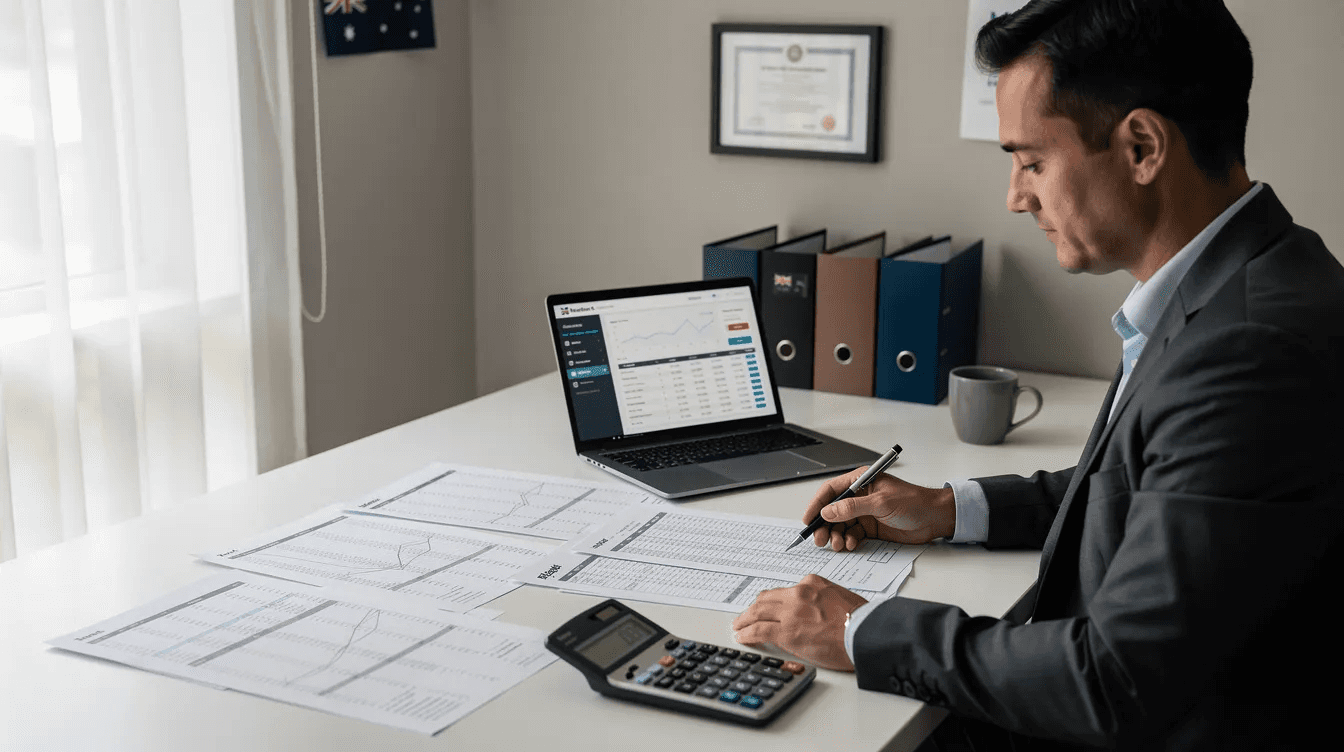
Key ATO debt concepts you need to understand
Before exploring your options, here are the core terms you need to know:
Tax debt arises once an income tax assessment or BAS is issued and payment isn't made by the due date. Interest generally starts the day after the due date.
Company tax debts cover unpaid GST, PAYG withholding, company tax, and superannuation guarantee charge obligations owed by a company entity.
General interest charge (GIC) is the interest the ATO may add to unpaid debts. It compounds daily and currently sits around 11.43% per annum. The ATO charges approximately 10% or more annual interest on tax debts depending on the quarter. Critically, the GIC on unpaid tax debts is typically non-deductible starting from July 2025, making long repayment periods more expensive.
Penalties apply for late lodgment, false or misleading statements, or failure to take reasonable care.
Debt on hold is an older or uneconomical ATO debt parked for later recovery. It can reappear in your online account and start attracting GIC again.
Director Penalty Notice (DPN) makes a company director personally liable for certain unpaid business taxes.
Business tax debts include GST and PAYG withholding amounts, and these trust-money obligations are treated more aggressively than many personal tax debts. Some debts can be released for individuals in serious hardship, but company tax debts generally can't be forgiven outside formal insolvency or restructuring.
First steps if you can't pay your ATO debt
Act as soon as you know you can't pay in full, ideally before the due date on your notice of assessment or BAS. Delay only narrows your options and increases the cost.
Stay fully lodged. File all outstanding tax returns and BAS before contacting the ATO. The tax office is significantly more flexible with taxpayers whose lodgments are up to date. If you have under-withheld tax from employment or investments, that shortfall can also lead to ATO debt for individuals, so check your account early.
Work out what you can afford. Prepare a simple budget listing all business and household expenses, then estimate a realistic monthly amount for repayment that still leaves money for rent, wages, and essentials.
Contact the ATO promptly:
Individuals: call 13 11 42
Businesses: call 13 28 66
Use online services or myGov for smaller debts
Even small voluntary payments before formally agreeing a plan show goodwill and may help when requesting remission of penalties or interest charges. Communication with the ATO can prevent tougher enforcement actions.
Ignoring reminder letters, SMS, and demand notices almost always leads to escalation: firmer debt collection, external agencies, the ATO can issue garnishee notices to recover unpaid tax directly from your bank account or wages, and ultimately legal action.
ATO payment plans and how to make them work
A payment plan is the ATO's main tool for managing unpaid tax debts for both individuals and small businesses. The ATO has over 631,000 active payment plans covering $11.1 billion of tax debt, so these arrangements are common and well-established.
Eligibility and access depend on the size and risk profile of your debt. Smaller, low-risk debts can often be arranged online through myGov. Larger or higher-risk company tax debts require negotiation with an ATO officer, supported by detailed cashflow statements. Payment plans can be set up for tax debts over 2 years, and payment plans can last up to 5 years for businesses in genuine difficulty, though longer plans come with substantial GIC costs.
Typical structures include weekly, fortnightly, or monthly instalments over 12 to 24 months. GIC normally continues to accrue during a payment plan, and because GIC is no longer deductible from 1 July 2025, stretching payments too far has a real cost.
Tips for keeping your plan on track:
Propose a realistic figure you can maintain consistently
Make the first instalment immediately
Keep all future BAS and tax bills paid on time
Contact the ATO early if cashflow drops, before you miss a scheduled payment
The ATO can default or cancel a plan if instalments are missed or new lodgments fall overdue, which can fast-track enforcement. If you're a business owner comparing the total cost of ATO interest against using business loans or cashflow lending, GEA Capital can help you run those numbers.
Interest, penalties, remissions and "debt on hold"
Extra charges can grow a tax debt well beyond the original amount owed. Understanding what sits on top of your primary debt owed is essential.
The main charges include GIC on late payment (compounding daily at roughly 11% per annum), shortfall interest charge on amended assessments, and administrative penalties for late lodgment or false statements. Tax debt can impact a person's credit rating, and tax debts may be reported to credit agencies if unpaid, affecting your ability to access finance or trade credibly.
You can ask the ATO for remission of interest charges in certain circumstances: events beyond your control such as serious illness, natural disaster, or software failure; ATO processing delays; or situations where paying the full GIC would cause financial hardship. The ATO can remit interest charges on tax debts under certain conditions. Penalty remission follows similar logic. The ATO looks at your compliance history, whether the mistake was genuine, and how quickly you engaged.
Debt on hold works like this: say you had an old $800 income tax debt from a period when you were unemployed. The ATO considers debts not economical to pursue for release and may park these. While on hold, GIC is often remitted and active collection pauses, but the debt remains legally payable. If reactivated, it reappears in your account and may begin attracting new interest.
Check your online ATO account for any older debts on hold. Consider repaying or refinancing them before GIC restarts and the balance grows.
Company tax debts, small business risk and Director Penalty Notices
Unpaid company tax, GST, PAYG withholding, and superannuation guarantee obligations can rapidly become personal problems for any company director. Company directors can become personally liable for unpaid business taxes through the DPN regime.
Core obligations for companies:
Lodge BAS and income tax returns on time
Pay GST collected from customers
Remit PAYG withholding for employees
Pay superannuation by quarterly due dates to avoid the superannuation guarantee charge
When company tax debts build up, the ATO escalates through payment demands, external debt collection, public disclosure for high-risk debtors, and potential wind-up proceedings. Severe debt can force businesses into liquidation or bankruptcy.
Director penalty notices deserve particular attention. The ATO issued around 50,000 Director Penalty Notices since June 2022. A non-lockdown DPN gives directors 21 days from the notice date to pay the debt, appoint a voluntary administrator, or begin a small business restructuring. A lockdown DPN, triggered when BAS or superannuation statements were lodged more than three months late, removes most of those options, often leaving full payment as the only way out.
Ignoring a DPN can lead to the ATO pursuing the director's personal assets, income, and bank account. Directors should seek immediate legal and financial advice and can contact services such as the small business debt helpline for free counselling.
GEA Capital can assist professional and service businesses and directors by exploring asset finance options using equipment or vehicles to clear critical ATO arrears before or alongside a restructuring solution.

Hardship, tax debt release and when insolvency or restructuring is needed
In genuine financial hardship, both informal and formal mechanisms exist to reduce or resolve tax debts, but they apply differently to individuals and companies.
For individuals, serious hardship means paying the tax debt would leave you unable to afford basic necessities: food, housing, medical care, and education. Individuals can apply for tax debt release of $10,000 or more using the Application for Release form (NAT 15080). For debts under $10,000, you can contact the ATO directly. The ATO may release tax debts causing serious hardship, and the ATO may release tax debts if payment causes financial hardship. Individuals can apply for tax debt release if experiencing financial hardship.
Eligible personal tax debts for release include income tax, certain PAYG instalments, excess contribution tax, FBT, Medicare levy, and related interest or penalties. GST, PAYG withholding, superannuation guarantee charge, and DPN-related liabilities typically cannot have tax debts released this way. Release may also apply to a deceased person's estate in limited circumstances.
Companies cannot apply for tax debt release directly. Meaningful reductions usually happen through formal insolvency frameworks like Small Business Restructuring (for debts generally under $1 million) or voluntary administration. In successful restructures, the ATO may forgive up to 90% of debts in insolvency procedures, giving the business or owner a realistic fresh start through a voluntary administrator or restructuring practitioner.
If you're overwhelmed or facing aggressive recovery action, speak promptly with a restructuring professional, insolvency practitioner, or financial counsellors. Coordinate with your accountant and any lenders before the situation worsens.
Alternatives to ATO payment plans: loans, refinancing and cashflow finance
Sometimes a payment plan isn't enough. When GIC is high, the debt is large, or the ATO refuses a long enough plan due to risk concerns, external finance becomes worth exploring.
Typical alternatives include using a business loan, overdraft, debtor finance, or asset finance secured against vehicles, machinery, or equipment to pay the ATO in full. This replaces tax debt with a structured loan at a known interest rate and predictable repayment schedule.
The trade-offs matter. Commercial lenders may require security such as property, vehicles, or equipment. This can convert an unsecured ATO debt into secured finance, so missing payments later can put an asset at risk. However, from 1 July 2025, interest paid on ATO tax debts is generally not deductible, whereas interest on business finance used for income-producing purposes may remain deductible, which can tilt the numbers in favour of refinancing.
Consider a practical example: a small transport company with $150,000 in GST and PAYG tax debt. A two-year ATO payment plan at roughly 11% GIC (non-deductible) costs significantly more than a three-to-five-year equipment finance facility or cashflow loan sourced through a broker at a lower, potentially deductible rate.
GEA Capital is a family-owned Melbourne brokerage working with a panel of lenders across Australia. We help businesses and individuals explore funding options to pay ATO debts without giving tax advice or promoting risky short-term lenders. Any refinancing decision should be made together with your tax and legal advisors to ensure it supports long-term viability.

Getting help: ATO support, financial counsellors and working with GEA Capital
No one should tackle serious ATO tax debts alone. A mix of free support and professional advice is usually needed.
Key ATO support channels include the hardship line (the ATO received 23,291 calls to its hardship line last year), online payment plan tools, and interest and penalty remission processes. The small business debt helpline (1800 413 828) offers free, confidential guidance for small business owners struggling to deal with debt, director penalty notices, and other debts. If you feel overwhelmed, anxious, or at risk of losing your home, prioritise speaking with financial counsellors or the National Debt Helpline before the situation escalates. You may also seek guidance from the tax ombudsman if you believe your tax affairs have been handled unfairly.
Accountants, bookkeepers, and insolvency practitioners can help verify whether the debt is correct, prepare objections, offset tax refunds against liabilities, and assess whether restructuring or insolvency, including bankruptcy in the most difficult circumstances, is the right advice for your situation.
GEA Capital works alongside these advisers. We assess whether business loans, asset finance, vehicle finance, or cashflow lending can reduce pressure from ATO debt while maintaining working capital. If you're eligible for a lower company tax rate or have refunds due, your adviser can factor those into the plan too.
Gather your ATO statements, recent BAS, and financials. Then contact both your adviser and GEA Capital to map out a clear, realistic process to repay what you owe and move forward.
When This Solution May Be Useful
4
5
6

How GEA Capital Helps
Specialist support for the businesses we work with most
We help match loan options to your industry, growth stage, and lending scenario.