Best Asset Finance Rates in Australia: How to Actually Get Them in 2026

Best Asset Finance Rates in Australia: How to Actually Get Them in 2026
If you're an Australian business owner about to finance a vehicle, excavator, or piece of workshop equipment, you've probably searched for the best asset finance rates and found a wall of vague promises. This guide cuts through the noise with real numbers, practical structures, and actionable steps you can take right now to secure sharper pricing.
Quick answer: what are the best asset finance rates right now?
In mid-2026, current asset finance interest rates in Australia typically start from around 6.25% to 7.49% p.a. for strong-credit borrowers buying new standard equipment or vehicles. For moderate-risk applications, rates sit in the 8%–12% range, while higher-risk deals involving older assets or impaired credit can reach up to 15% or more.
There is no single "current" rate. Asset finance rates depend on factors like credit score, asset type, loan term, and market interest rates. Every quote is personalised. The average asset finance amount in 2026 is $70,369, and what you pay on that sum varies dramatically depending on how your deal is packaged.
At GEA Capital, we work with a wide lender panel of banks and non-bank financiers, which means we regularly secure rates at the sharper end of the market for well-prepared applications.
Biggest drivers of your final rate:
Business profile - years trading, consistent revenue, industry stability
Asset type and age - new vs used, resale value, essential vs niche
Loan term and balloon payment structure
Credit history - director scores, repayment conduct
Documentation pathway - full doc vs low doc
What this means for you: If you're an established SME with clean credit financing a new business vehicle or standard machinery, a competitive offer in 2026 sits around 6.3%–7.5% p.a. An offer above 9%–10% for that profile warrants a second look - or a call to your finance broker.
What is asset finance and how does it work for your business?
Asset finance is a secured loan or lease used to acquire a business asset - vehicles, machinery, office equipment, fit-outs, technology - without paying the full purchase price upfront. Asset finance allows businesses to acquire essential equipment without draining cash reserves or tying up working capital.
The business asset itself usually serves as security for the loan, registered on the personal property securities register (PPSR). Because the lender has a claim over a physical asset, secured asset finance typically offers lower rates than unsecured business loans or overdrafts. This is the fundamental reason asset finance rates tend to be more competitive than general business lending.
Asset finance agreements typically last 1 to 7 years, with most deals structured around monthly repayment schedules. Some industries - agriculture, for example - may negotiate seasonal or quarterly arrangements.
Common structures relevant to australian businesses include:
Chattel mortgage (asset loan) - you own the asset from day one
Finance lease - the lender pays for and owns the asset; you make lease payments
Operating lease - long-term rental, often with maintenance bundled
Hire purchase - ownership transfers after the final payment
Novated lease - salary-packaged vehicle finance for employees
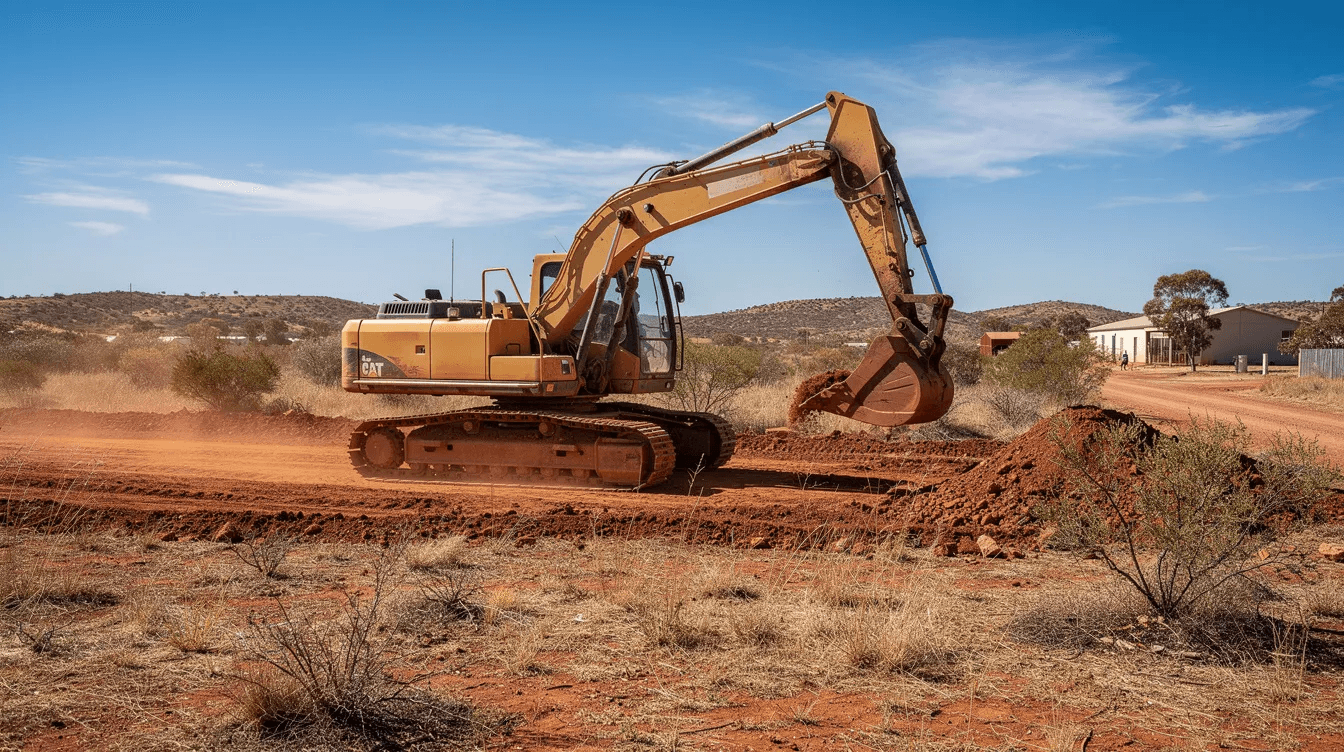
Concrete example: A Melbourne civil contractor finances a $180,000 excavator over 5 years via chattel mortgage. With a clean ABN, strong trading history, and a 30% balloon payment, monthly repayments are significantly lower than buying the asset outright, preserving business cash flow for wages, materials, and other business expense items.
Vehicles account for over 80% of asset finance requests in Australia, but the same principles apply whether you're financing a new or used car, a prime mover, or medical imaging equipment.
Key factors that determine your asset finance rate
Two businesses financing identical equipment will almost never see exactly the same asset finance rates. Here's why.
Business profile
Lenders assess credit scores and business history for approval. They look at years trading, ABN and GST registration, profitability, debt levels, and industry stability. A business with 5+ years of trading history, consistent revenue, and minimal existing leverage sits in the lowest risk band. Newer businesses or those in volatile sectors pay a margin above that.
Credit profile
Credit scores significantly influence asset finance rates. Both director personal scores and commercial credit records matter. Past arrears, defaults, or even minor late payments can shift an application from "prime" into "near-prime" territory, often adding 1–3% p.a. onto the rate.
Asset factors
New equipment holds high resale value, so it gets lower rates. Used or specialized gear carries higher risk and costs more. Older assets usually attract higher finance rates because of thinner secondary markets and depreciation uncertainty. A late-model ute from a dealer is priced very differently from a 12-year-old CNC machine from a private seller.
Deal structure
The loan structure can differ depending on whether you use a chattel mortgage, equipment loan, finance lease, hire purchase, or another structure. Loan term, deposit size, balloon payment, and documentation pathway (full doc vs low doc) all influence the rate. Asset-backed borrowers typically qualify for lower interest rates because the lender's risk is secured against physical assets with verifiable asset value.
External factors
The RBA cash rate - currently at a 4.35% target as at mid-2026 - sets the base cost of funds. Lender funding costs, competitive intensity, and shifting risk appetites across a lender panel also play a role.
GEA Capital's role is to package these elements so the application sits in the strongest possible risk band, which directly lowers pricing.
Indicative asset finance rates by asset type in 2026
These ranges are non-binding and exclude fees. Use them to stress-test repayments and benchmark whether you're being quoted competitively.
Asset Category | New Asset (Strong Credit) | Used / Higher-Risk Asset | Notes |
|---|---|---|---|
Business vehicles and utes | ~6.29%–7.99% | ~7.49%–9.49% | Vehicles account for over 80% of asset finance requests; dealer vs private sale matters |
Trucks and trailers | ~6.29%–8.49% | ~7.49%–10.49% | Larger loan amount, strong residuals help |
Yellow goods / construction | ~6.29%–8.49% | ~7.99%–11.49% | Age and usage hours heavily penalised |
Manufacturing / workshop equipment | ~6.99%–9.99% | ~8.49%–14.99% | Specialised, single-use machinery has thin resale markets |
Medical and dental equipment | ~6.49%–9.99% | ~8.49%–12.49% | New equipment benefits from warranties and steady demand |
IT and office equipment | ~7%–10%+ | ~10%–15%+ | Rapid depreciation and obsolescence risk |
Fit out finance | ~7%–10%+ | Varies widely | Lenders typically require strong business case |
Second-hand assets and purchases from a private seller often attract slightly higher rates or tighter policies compared with new assets bought through a dealer. Lenders assess the asset's condition, market, and resale pathway - not just the purchase price.
These ranges are for planning only. GEA Capital provides written quotes based on real lender proposals for your exact transaction.

Comparing the main asset finance structures (and how rates differ)
The best asset finance options aren't always about the lowest percentage. The right finance structure for your tax treatment, ownership needs, and exit flexibility can matter more than a 0.2% rate difference.
Chattel mortgage / asset loan
Chattel mortgages allow full ownership from the start. The lender registers a charge on the PPSR, but the asset sits on your balance sheet. You can deduct interest and claim depreciation separately. If you're GST-registered, you claim the full input tax credit upfront. Chattel mortgages are popular for vehicles and machinery financing, and they tend to attract the sharpest finance rates because the lender's risk is clear and ownership is immediate.
Finance lease
With a finance lease, the lender pays for and legally owns the asset during the lease term. You make regular lease payments, and at the end, you may have the option to purchase the asset by paying a residual. Finance leases typically run for 2 to 5 years. The full rental payment is generally a tax deductible business expense, but depreciation is claimed by the lessor. Rates tend to sit slightly above chattel mortgage levels - roughly 0.5%–1.5% higher for comparable deals.
Operating lease
Operating leases function more like long-term rental. You don't plan to own the asset at the end; instead, you return it. This suits IT, office equipment, and other assets with rapid obsolescence. Because residual risk stays with the lessor, pricing is higher. The entire lease payment is typically treated as a business expense.
Novated lease
Primarily used for vehicle finance where an employee salary-packages a car, novated leases involve the employer, employee, and lender. Rates and finance structure differ due to fringe benefits tax implications and residual value calculations.
Cheaper headline rates on one structure don't always mean lower total cost once residuals, fees, and tax outcomes are factored in. Always compare total cost across structures, and talk with your accountant and finance broker together.
How balloon payments and loan terms impact your rate and total cost
A balloon payment - also called a residual - is a lump sum due at the end of the loan term. Balloon payments can range from 20–40% of the finance amount, depending on the asset type and lease agreement structure.
Larger balloons reduce your monthly repayment and preserve cash flow during the finance term. But they also increase the total interest paid over the life of the loan, and you'll need a plan to make that final payment - whether that's refinancing, selling the asset, or paying from cash reserves.
Lenders view aggressive balloon structures with some caution. Very long terms or high residuals can sometimes push asset finance rates higher because the lender carries more risk that the asset value may fall below what's owed.
Worked example: Consider a $75,000 business asset financed over 5 years. Without a balloon, your regular payments are higher but you own the asset free and clear at the end. Add a 30% balloon (~$22,500), and your monthly repayment drops noticeably - but you'll pay more total interest and still owe that lump sum on the final day.
Longer terms can reduce monthly repayments but usually mean paying interest for longer. Similarly, wanting to exit a loan early can trigger break costs or early payout fees, especially in structured lease payments with residual components. Structure your loan term realistically based on how long you'll actually hold the asset, rather than stretching for artificially low repayments.
GEA Capital routinely models different term and balloon combinations so clients see both the repayment and total-cost impacts before locking anything in.
Low doc, no financials, and bad credit: what does it do to your rate?
Not every Australian SME has pristine financial statements. Start-ups, sole traders, and small businesses in their first couple of years often lack the paper trail that mainstream lenders want.
"Low doc" or "no financials" asset finance pathways allow approvals based on BAS summaries, bank statements, or accountant declarations instead of full financials. These pathways work, but they affect asset finance rates: expect slightly higher pricing bands and stricter rules on asset type, maximum loan amount, and loan term.
Bad credit applicants may face higher interest rates - often in the 10%–22% range depending on severity. But past defaults, ATO debt, or arrears do not automatically rule out approval. Specialist lenders understand asset finance security and can work with impaired credit profiles, particularly when the asset is strong and a reasonable deposit is offered. New businesses can qualify if they provide sufficient financial documentation, even without years of trading history behind them.
Check your credit report for errors before you apply for a loan. Fixing small inaccuracies or clearing minor defaults can shift your application from a specialist rate band into near-prime, saving thousands over the life of the finance agreement.
Case snapshot: A start-up tradesperson in Victoria (ABN under 12 months) financing a used ute under a low doc policy can expect rates in the 10%–14% range. A deposit is typically required, and asset age will influence pricing - but approval is achievable. Visit our FAQs for more on how low doc applications are assessed.
RBA cash rate, market conditions, and fixed vs. variable pricing
The RBA cash rate - at a 4.35% target as at June 2026 - is the base cost of money in Australia. It's not the interest rate you pay; it's the floor from which lenders build their pricing.
Most asset finance contracts are fixed-rate. Once you lock in the finance structure, your loan repayments don't move during the lease term, even if the RBA raises or cuts the cash rate. This gives certainty for budgeting and business cash flow planning.
However, movements in the cash rate influence new deals. Lenders periodically adjust their pricing grids, so the "best" market finance rates shift over time. Focus on written lender proposals at the time you plan to purchase, rather than old advertisements or rate tables found online.
A broker monitoring multiple lenders can sometimes find sharper pricing during competitive periods - especially around end-of-financial-year or when lenders chase volume to hit targets.
Why using a finance broker like GEA Capital often leads to better rates
Going directly to one bank limits you to that bank's pricing grid. An asset finance broker accesses a curated lender panel of banks and non-bank financiers, allowing comparison of offers for the same asset and business profile.
Comparing options from multiple lenders can provide negotiating leverage. Lender competition increases business credit supply and contributes to narrower business lending margins - which directly benefits you.
Brokers package applications to highlight strengths: strong cash flow, existing contracts, quality asset quotes, and realistic balloon structures. This can move a deal into a better risk band and improve pricing.
Example: A Queensland transport operator was initially quoted 9.4% by a dealer's in-house finance arm for a new prime mover. Through GEA Capital, we presented the same deal across our panel, secured a chattel mortgage at 7.1% with better balloon flexibility, and saved the client over $14,000 in total interest across the loan term. Approval can take just a few hours for straightforward applications.
Beyond price, a broker adds value through advice on structure, balloon sizing, tax implications, and matching the right lender to the specific asset type. Access finance guidance early - don't wait until you've already signed a dealer's offer.

Real-world scenarios: what "best rate" looks like for different businesses
Scenario 1: Small transport operator - business vehicle upgrade
A Melbourne-based courier service with 4 years of trading history and clean credit finances a $65,000 ute via chattel mortgage. With a 20% balloon payment and 4-year term, the operator secures 6.8% p.a. The immediate ownership structure lets them claim depreciation and deduct interest from the first month. Sustainable assets like reliable work vehicles keep the business moving forward without disrupting borrowing capacity for other assets.
Scenario 2: Regional construction firm - yellow goods
A civil contractor in regional NSW needs a $220,000 excavator. Two lenders offer similar rates (7.2% vs 7.4%), but the structure differs: one requires a larger deposit, the other allows a higher balloon with longer term. The 0.2% rate difference matters less than the cash flow impact. Working with GEA Capital, they choose the option that keeps more working capital available for an upcoming project - a better outcome than chasing the absolute lowest headline rate.
Scenario 3: Medical practice - fit out and technology
A new dental practice arranging fit out finance and imaging equipment with tailored solutions that preserved cash flow during their first year in a new lease agreement location. The practice provided strong documentation (signed lease, equipment quotes, projected revenue) and secured 8.9% on new equipment despite being under 2 years ABN. The right lender panel member - one comfortable with medical asset finance - made the difference.
In each case, working with an asset finance broker, choosing the right asset type, and providing strong documentation directly contributed to sharper asset finance rates.
How to position your application to qualify for sharper asset finance rates
Think of this as a pre-application checklist you can work through before contacting GEA Capital or any broker.
Transaction quality: Have a clear supplier quote with asset specifications, build year, purchase price, and required settlement date. Confirm any deposit. Deals involving a private sale need additional documentation (e.g. independent valuation, inspection report).
Evidence quality: Prepare recent financial statements, BAS or bank statements (last 6–12 months), identification, and details of existing loans. This supports either full doc or low doc pathways and helps lenders assess your position accurately.
Credit conduct: Keep existing facilities - credit cards, other loan repayments - in good standing for at least 12 months before applying. Even minor arrears can push you into a higher pricing band.
Realistic structure: Decide on a realistic loan term and balloon range before you apply. Consider how long you intend to hold the business asset and whether you might want to exit the loan early.
Start early: Contact GEA Capital early in the buying process, even before choosing the exact asset. Pre-approval can be arranged, rate expectations set, and you'll know your borrowing capacity before negotiating with suppliers.
Business growth doesn't stall because you can't find finance - it stalls because you accept the first offer without benchmarking it.
Next steps: getting a personalised asset finance rate quote with GEA Capital
You've done the research. Now it's time to move from reading to action.
Here's how it works:
Initial conversation - call or enquire online. Share your business details, asset type, and timeline.
Broker comparison - we present your deal across our lender panel, comparing the best asset finance options available for your exact situation.
Transparent proposal - you receive a clear breakdown: rate, fees, loan term, balloon payment, total amount payable, and any early payout conditions.
GEA Capital helps with a wide range of needs including vehicle finance, equipment finance, fit out finance, and other business asset purchases - even for applicants with some bad credit history. Whether you're buying sustainable assets for long-term business growth or upgrading other assets on a tight timeline, tailored solutions are what we do.
Before you sign any dealer or bank finance, reach out so you can compare total cost and confirm whether that offer truly represents the best asset finance rate available to you. The best rate is the one built around your business - not someone else's.
Best Asset Finance Rates in Australia: How to Actually Get Them in 2026
If you're an Australian business owner about to finance a vehicle, excavator, or piece of workshop equipment, you've probably searched for the best asset finance rates and found a wall of vague promises. This guide cuts through the noise with real numbers, practical structures, and actionable steps you can take right now to secure sharper pricing.
Quick answer: what are the best asset finance rates right now?
In mid-2026, current asset finance interest rates in Australia typically start from around 6.25% to 7.49% p.a. for strong-credit borrowers buying new standard equipment or vehicles. For moderate-risk applications, rates sit in the 8%–12% range, while higher-risk deals involving older assets or impaired credit can reach up to 15% or more.
There is no single "current" rate. Asset finance rates depend on factors like credit score, asset type, loan term, and market interest rates. Every quote is personalised. The average asset finance amount in 2026 is $70,369, and what you pay on that sum varies dramatically depending on how your deal is packaged.
At GEA Capital, we work with a wide lender panel of banks and non-bank financiers, which means we regularly secure rates at the sharper end of the market for well-prepared applications.
Biggest drivers of your final rate:
Business profile - years trading, consistent revenue, industry stability
Asset type and age - new vs used, resale value, essential vs niche
Loan term and balloon payment structure
Credit history - director scores, repayment conduct
Documentation pathway - full doc vs low doc
What this means for you: If you're an established SME with clean credit financing a new business vehicle or standard machinery, a competitive offer in 2026 sits around 6.3%–7.5% p.a. An offer above 9%–10% for that profile warrants a second look - or a call to your finance broker.
What is asset finance and how does it work for your business?
Asset finance is a secured loan or lease used to acquire a business asset - vehicles, machinery, office equipment, fit-outs, technology - without paying the full purchase price upfront. Asset finance allows businesses to acquire essential equipment without draining cash reserves or tying up working capital.
The business asset itself usually serves as security for the loan, registered on the personal property securities register (PPSR). Because the lender has a claim over a physical asset, secured asset finance typically offers lower rates than unsecured business loans or overdrafts. This is the fundamental reason asset finance rates tend to be more competitive than general business lending.
Asset finance agreements typically last 1 to 7 years, with most deals structured around monthly repayment schedules. Some industries - agriculture, for example - may negotiate seasonal or quarterly arrangements.
Common structures relevant to australian businesses include:
Chattel mortgage (asset loan) - you own the asset from day one
Finance lease - the lender pays for and owns the asset; you make lease payments
Operating lease - long-term rental, often with maintenance bundled
Hire purchase - ownership transfers after the final payment
Novated lease - salary-packaged vehicle finance for employees
Concrete example: A Melbourne civil contractor finances a $180,000 excavator over 5 years via chattel mortgage. With a clean ABN, strong trading history, and a 30% balloon payment, monthly repayments are significantly lower than buying the asset outright, preserving business cash flow for wages, materials, and other business expense items.
Vehicles account for over 80% of asset finance requests in Australia, but the same principles apply whether you're financing a new or used car, a prime mover, or medical imaging equipment.
Key factors that determine your asset finance rate
Two businesses financing identical equipment will almost never see exactly the same asset finance rates. Here's why.
Business profile
Lenders assess credit scores and business history for approval. They look at years trading, ABN and GST registration, profitability, debt levels, and industry stability. A business with 5+ years of trading history, consistent revenue, and minimal existing leverage sits in the lowest risk band. Newer businesses or those in volatile sectors pay a margin above that.
Credit profile
Credit scores significantly influence asset finance rates. Both director personal scores and commercial credit records matter. Past arrears, defaults, or even minor late payments can shift an application from "prime" into "near-prime" territory, often adding 1–3% p.a. onto the rate.
Asset factors
New equipment holds high resale value, so it gets lower rates. Used or specialized gear carries higher risk and costs more. Older assets usually attract higher finance rates because of thinner secondary markets and depreciation uncertainty. A late-model ute from a dealer is priced very differently from a 12-year-old CNC machine from a private seller.
Deal structure
The loan structure can differ depending on whether you use a chattel mortgage, equipment loan, finance lease, hire purchase, or another structure. Loan term, deposit size, balloon payment, and documentation pathway (full doc vs low doc) all influence the rate. Asset-backed borrowers typically qualify for lower interest rates because the lender's risk is secured against physical assets with verifiable asset value.
External factors
The RBA cash rate - currently at a 4.35% target as at mid-2026 - sets the base cost of funds. Lender funding costs, competitive intensity, and shifting risk appetites across a lender panel also play a role.
GEA Capital's role is to package these elements so the application sits in the strongest possible risk band, which directly lowers pricing.
Indicative asset finance rates by asset type in 2026
These ranges are non-binding and exclude fees. Use them to stress-test repayments and benchmark whether you're being quoted competitively.
Asset Category | New Asset (Strong Credit) | Used / Higher-Risk Asset | Notes |
|---|---|---|---|
Business vehicles and utes | ~6.29%–7.99% | ~7.49%–9.49% | Vehicles account for over 80% of asset finance requests; dealer vs private sale matters |
Trucks and trailers | ~6.29%–8.49% | ~7.49%–10.49% | Larger loan amount, strong residuals help |
Yellow goods / construction | ~6.29%–8.49% | ~7.99%–11.49% | Age and usage hours heavily penalised |
Manufacturing / workshop equipment | ~6.99%–9.99% | ~8.49%–14.99% | Specialised, single-use machinery has thin resale markets |
Medical and dental equipment | ~6.49%–9.99% | ~8.49%–12.49% | New equipment benefits from warranties and steady demand |
IT and office equipment | ~7%–10%+ | ~10%–15%+ | Rapid depreciation and obsolescence risk |
Fit out finance | ~7%–10%+ | Varies widely | Lenders typically require strong business case |
Second-hand assets and purchases from a private seller often attract slightly higher rates or tighter policies compared with new assets bought through a dealer. Lenders assess the asset's condition, market, and resale pathway - not just the purchase price.
These ranges are for planning only. GEA Capital provides written quotes based on real lender proposals for your exact transaction.
Comparing the main asset finance structures (and how rates differ)
The best asset finance options aren't always about the lowest percentage. The right finance structure for your tax treatment, ownership needs, and exit flexibility can matter more than a 0.2% rate difference.
Chattel mortgage / asset loan
Chattel mortgages allow full ownership from the start. The lender registers a charge on the PPSR, but the asset sits on your balance sheet. You can deduct interest and claim depreciation separately. If you're GST-registered, you claim the full input tax credit upfront. Chattel mortgages are popular for vehicles and machinery financing, and they tend to attract the sharpest finance rates because the lender's risk is clear and ownership is immediate.
Finance lease
With a finance lease, the lender pays for and legally owns the asset during the lease term. You make regular lease payments, and at the end, you may have the option to purchase the asset by paying a residual. Finance leases typically run for 2 to 5 years. The full rental payment is generally a tax deductible business expense, but depreciation is claimed by the lessor. Rates tend to sit slightly above chattel mortgage levels - roughly 0.5%–1.5% higher for comparable deals.
Operating lease
Operating leases function more like long-term rental. You don't plan to own the asset at the end; instead, you return it. This suits IT, office equipment, and other assets with rapid obsolescence. Because residual risk stays with the lessor, pricing is higher. The entire lease payment is typically treated as a business expense.
Novated lease
Primarily used for vehicle finance where an employee salary-packages a car, novated leases involve the employer, employee, and lender. Rates and finance structure differ due to fringe benefits tax implications and residual value calculations.
Cheaper headline rates on one structure don't always mean lower total cost once residuals, fees, and tax outcomes are factored in. Always compare total cost across structures, and talk with your accountant and finance broker together.
How balloon payments and loan terms impact your rate and total cost
A balloon payment - also called a residual - is a lump sum due at the end of the loan term. Balloon payments can range from 20–40% of the finance amount, depending on the asset type and lease agreement structure.
Larger balloons reduce your monthly repayment and preserve cash flow during the finance term. But they also increase the total interest paid over the life of the loan, and you'll need a plan to make that final payment - whether that's refinancing, selling the asset, or paying from cash reserves.
Lenders view aggressive balloon structures with some caution. Very long terms or high residuals can sometimes push asset finance rates higher because the lender carries more risk that the asset value may fall below what's owed.
Worked example: Consider a $75,000 business asset financed over 5 years. Without a balloon, your regular payments are higher but you own the asset free and clear at the end. Add a 30% balloon (~$22,500), and your monthly repayment drops noticeably - but you'll pay more total interest and still owe that lump sum on the final day.
Longer terms can reduce monthly repayments but usually mean paying interest for longer. Similarly, wanting to exit a loan early can trigger break costs or early payout fees, especially in structured lease payments with residual components. Structure your loan term realistically based on how long you'll actually hold the asset, rather than stretching for artificially low repayments.
GEA Capital routinely models different term and balloon combinations so clients see both the repayment and total-cost impacts before locking anything in.
Low doc, no financials, and bad credit: what does it do to your rate?
Not every Australian SME has pristine financial statements. Start-ups, sole traders, and small businesses in their first couple of years often lack the paper trail that mainstream lenders want.
"Low doc" or "no financials" asset finance pathways allow approvals based on BAS summaries, bank statements, or accountant declarations instead of full financials. These pathways work, but they affect asset finance rates: expect slightly higher pricing bands and stricter rules on asset type, maximum loan amount, and loan term.
Bad credit applicants may face higher interest rates - often in the 10%–22% range depending on severity. But past defaults, ATO debt, or arrears do not automatically rule out approval. Specialist lenders understand asset finance security and can work with impaired credit profiles, particularly when the asset is strong and a reasonable deposit is offered. New businesses can qualify if they provide sufficient financial documentation, even without years of trading history behind them.
Check your credit report for errors before you apply for a loan. Fixing small inaccuracies or clearing minor defaults can shift your application from a specialist rate band into near-prime, saving thousands over the life of the finance agreement.
Case snapshot: A start-up tradesperson in Victoria (ABN under 12 months) financing a used ute under a low doc policy can expect rates in the 10%–14% range. A deposit is typically required, and asset age will influence pricing - but approval is achievable. Visit our FAQs for more on how low doc applications are assessed.
RBA cash rate, market conditions, and fixed vs. variable pricing
The RBA cash rate - at a 4.35% target as at June 2026 - is the base cost of money in Australia. It's not the interest rate you pay; it's the floor from which lenders build their pricing.
Most asset finance contracts are fixed-rate. Once you lock in the finance structure, your loan repayments don't move during the lease term, even if the RBA raises or cuts the cash rate. This gives certainty for budgeting and business cash flow planning.
However, movements in the cash rate influence new deals. Lenders periodically adjust their pricing grids, so the "best" market finance rates shift over time. Focus on written lender proposals at the time you plan to purchase, rather than old advertisements or rate tables found online.
A broker monitoring multiple lenders can sometimes find sharper pricing during competitive periods - especially around end-of-financial-year or when lenders chase volume to hit targets.
Why using a finance broker like GEA Capital often leads to better rates
Going directly to one bank limits you to that bank's pricing grid. An asset finance broker accesses a curated lender panel of banks and non-bank financiers, allowing comparison of offers for the same asset and business profile.
Comparing options from multiple lenders can provide negotiating leverage. Lender competition increases business credit supply and contributes to narrower business lending margins - which directly benefits you.
Brokers package applications to highlight strengths: strong cash flow, existing contracts, quality asset quotes, and realistic balloon structures. This can move a deal into a better risk band and improve pricing.
Example: A Queensland transport operator was initially quoted 9.4% by a dealer's in-house finance arm for a new prime mover. Through GEA Capital, we presented the same deal across our panel, secured a chattel mortgage at 7.1% with better balloon flexibility, and saved the client over $14,000 in total interest across the loan term. Approval can take just a few hours for straightforward applications.
Beyond price, a broker adds value through advice on structure, balloon sizing, tax implications, and matching the right lender to the specific asset type. Access finance guidance early - don't wait until you've already signed a dealer's offer.
Real-world scenarios: what "best rate" looks like for different businesses
Scenario 1: Small transport operator - business vehicle upgrade
A Melbourne-based courier service with 4 years of trading history and clean credit finances a $65,000 ute via chattel mortgage. With a 20% balloon payment and 4-year term, the operator secures 6.8% p.a. The immediate ownership structure lets them claim depreciation and deduct interest from the first month. Sustainable assets like reliable work vehicles keep the business moving forward without disrupting borrowing capacity for other assets.
Scenario 2: Regional construction firm - yellow goods
A civil contractor in regional NSW needs a $220,000 excavator. Two lenders offer similar rates (7.2% vs 7.4%), but the structure differs: one requires a larger deposit, the other allows a higher balloon with longer term. The 0.2% rate difference matters less than the cash flow impact. Working with GEA Capital, they choose the option that keeps more working capital available for an upcoming project - a better outcome than chasing the absolute lowest headline rate.
Scenario 3: Medical practice - fit out and technology
A new dental practice arranging fit out finance and imaging equipment with tailored solutions that preserved cash flow during their first year in a new lease agreement location. The practice provided strong documentation (signed lease, equipment quotes, projected revenue) and secured 8.9% on new equipment despite being under 2 years ABN. The right lender panel member - one comfortable with medical asset finance - made the difference.
In each case, working with an asset finance broker, choosing the right asset type, and providing strong documentation directly contributed to sharper asset finance rates.
How to position your application to qualify for sharper asset finance rates
Think of this as a pre-application checklist you can work through before contacting GEA Capital or any broker.
Transaction quality: Have a clear supplier quote with asset specifications, build year, purchase price, and required settlement date. Confirm any deposit. Deals involving a private sale need additional documentation (e.g. independent valuation, inspection report).
Evidence quality: Prepare recent financial statements, BAS or bank statements (last 6–12 months), identification, and details of existing loans. This supports either full doc or low doc pathways and helps lenders assess your position accurately.
Credit conduct: Keep existing facilities - credit cards, other loan repayments - in good standing for at least 12 months before applying. Even minor arrears can push you into a higher pricing band.
Realistic structure: Decide on a realistic loan term and balloon range before you apply. Consider how long you intend to hold the business asset and whether you might want to exit the loan early.
Start early: Contact GEA Capital early in the buying process, even before choosing the exact asset. Pre-approval can be arranged, rate expectations set, and you'll know your borrowing capacity before negotiating with suppliers.
Business growth doesn't stall because you can't find finance - it stalls because you accept the first offer without benchmarking it.
Next steps: getting a personalised asset finance rate quote with GEA Capital
You've done the research. Now it's time to move from reading to action.
Here's how it works:
Initial conversation - call or enquire online. Share your business details, asset type, and timeline.
Broker comparison - we present your deal across our lender panel, comparing the best asset finance options available for your exact situation.
Transparent proposal - you receive a clear breakdown: rate, fees, loan term, balloon payment, total amount payable, and any early payout conditions.
GEA Capital helps with a wide range of needs including vehicle finance, equipment finance, fit out finance, and other business asset purchases - even for applicants with some bad credit history. Whether you're buying sustainable assets for long-term business growth or upgrading other assets on a tight timeline, tailored solutions are what we do.
Before you sign any dealer or bank finance, reach out so you can compare total cost and confirm whether that offer truly represents the best asset finance rate available to you. The best rate is the one built around your business - not someone else's.
Our Solutions
Gabriel Anagnostakis is an authorised credit representative (No. 562173) of Viking Asset Aggregation Pty Ltd, trading as GEA Capital (The Trustee for GEA Family Trust, ABN: 76 533 017 761). Australian Credit licence Number 543046 and is authorised to provide credit related activities.

Our Solutions
Gabriel Anagnostakis is an authorised credit representative (No. 562173) of Viking Asset Aggregation Pty Ltd, trading as GEA Capital (The Trustee for GEA Family Trust, ABN: 76 533 017 761). Australian Credit licence Number 543046 and is authorised to provide credit related activities.
Our Solutions
Gabriel Anagnostakis is an authorised credit representative (No. 562173) of Viking Asset Aggregation Pty Ltd, trading as GEA Capital (The Trustee for GEA Family Trust, ABN: 76 533 017 761). Australian Credit licence Number 543046 and is authorised to provide credit related activities.
Our Solutions
Gabriel Anagnostakis is an authorised credit representative (No. 562173) of Viking Asset Aggregation Pty Ltd, trading as GEA Capital (The Trustee for GEA Family Trust, ABN: 76 533 017 761). Australian Credit licence Number 543046 and is authorised to provide credit related activities.