Best Equipment Finance for Tradies in Australia

Best Equipment Finance for Tradies in Australia
If you need gear to earn money but don't want to drain your bank account, equipment finance lets you spread the cost and keep working. Here's how to choose the right structure for your trade.
Fast answer: what's the best equipment finance for tradies?
For most Australian tradies, the best option is a secured equipment loan - commonly called a chattel mortgage - with fixed equipment finance repayments over 3–5 years. You own the asset from day one, the equipment itself acts as security (not your house), and you get predictable monthly payments plus useful tax deductions.
Here's how the main finance options stack up:
Equipment loan / chattel mortgage - you own immediately, the asset secures the loan, and you can claim depreciation and GST credits. Most equipment loans are structured with fixed interest rates.
Finance lease - the lender owns the asset; you lease it with an option to buy at the end. Leasing equipment requires no capital outlay upfront, and finance leases keep large capital costs off a business's balance sheet.
Hire purchase - similar to a chattel mortgage, but legal ownership transfers only after your final payment.
Unsecured business loans - fast money for smaller purchases, but higher rates and shorter terms.
What does "best" actually mean for tradies? It means a finance package that protects cash flow, comes with fast approvals, offers flexible terms, delivers potential tax benefits (interest, depreciation, GST), and gives you a competitive rate - all without tying up the family home as security.
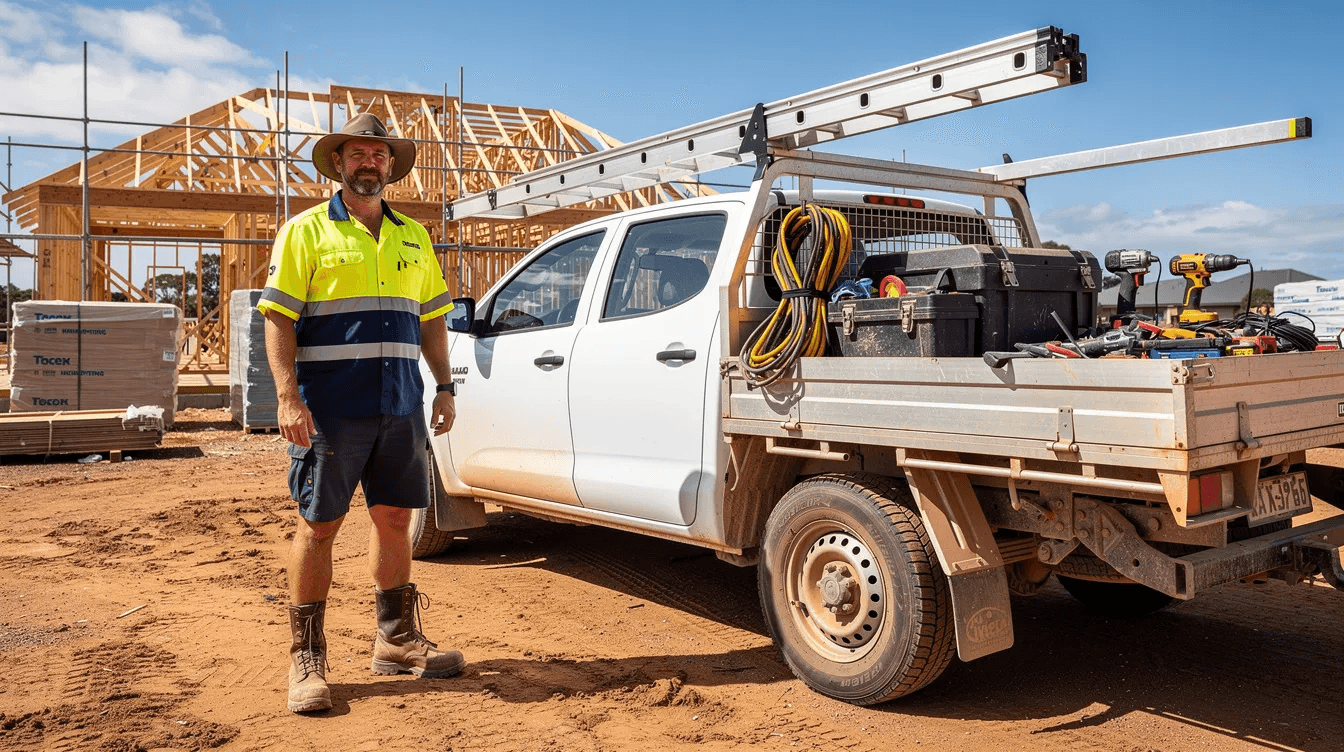
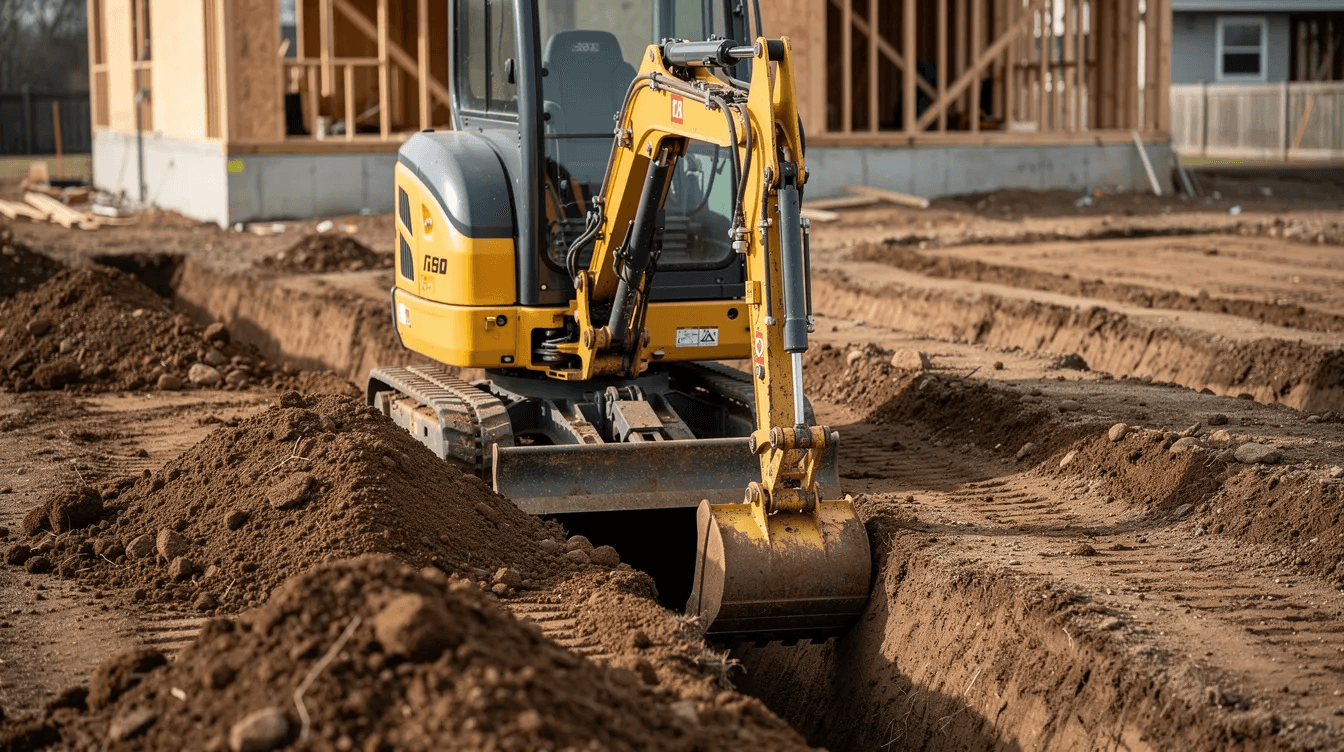
Typical use cases: utes and vans (Hilux, Ranger, Triton, Transit), trailers, excavators, skid steers, scissor lifts, generators, power tools, and workshop machinery.
GEA Capital is a Melbourne-based asset finance broker helping tradies Australia-wide compare lenders and find a business equipment loan structure that fits their business needs. Get in touch for a quick quote and fast pre-approval so your gear is locked in before jobs roll in.
How equipment finance works for tradies
Equipment finance means using an asset finance facility to pay for tools, vehicles, or machinery over time - typically 1 to 7 years - instead of paying cash upfront. Asset finance allows businesses to pay for equipment over time, and equipment loans can cover the full cost of assets, including GST on new gear. While demand for asset finance is highest among businesses earning $10m–$100m, the products are just as accessible for sole traders and small businesses.
Key terms you'll see:
Equipment loan / business equipment loan - a loan where you own the gear from settlement; the lender holds a security interest in the asset.
Asset finance - the umbrella term covering loans, leases, and hire purchase.
Balloon payment - a larger lump sum due at the end of the loan term, which lowers your regular repayments.
Secured vs unsecured - secured loans use the equipment itself as collateral; unsecured loans rely on your credit profile and may involve higher rates.
The basic flow looks like this:
Get a quote for the equipment you need.
A broker like GEA Capital compares lenders and recommends a structure.
You submit your application and receive conditional approval.
Sign documents - the lender pays the supplier directly.
You take the gear and start making repayments (weekly, fortnightly, or monthly).
Equipment acts as security for the equipment loan, which commonly means tradies don't have to offer their home. Equipment loans can cover the full cost of goods, and loan terms for equipment loans range from 1 to 7 years. Repayment terms for equipment loans can range from 1 to 7 years, with amounts from around $10,000 up to $500,000 or more depending on the asset.
Equipment loans can be secured with the asset itself as collateral. At a high level, ownership works like this: chattel mortgages give you ownership from day one, finance leases mean the lender owns until you exercise a purchase option, and hire purchase transfers title only after the final payment.
Key finance options for tradies and how to choose
Different finance options suit different setups. Whether you're a sole trader sparky or a company running three excavators, the right structure depends on your trade, your financial circumstances, and how often you upgrade.
Equipment loan (chattel mortgage): Chattel mortgages are popular for securing outright ownership of equipment. An equipment loan allows ownership from day one, with fixed rates or variable options. GST registered tradies can claim the GST input credit upfront, and you can claim depreciation and interest as tax deductions. Talk to your registered tax agent for specific tax advice on your situation.
Finance lease: Better if you want lower monthly repayments with a residual value at the end, plan to upgrade gear regularly, or prefer lease payments fully expensed. Payments are treated as an operating cost, which can suit some business models. However, you generally can't claim depreciation since the lender owns the asset.
Commercial hire purchase: Commercial hire purchase allows gradual ownership of equipment through set payments. Legal title transfers after the final payment. It may suit certain trust structures or accountants' preferences. For tax purposes, it often behaves similarly to a chattel mortgage.
Unsecured business loans / cash flow lending: Useful when you need working capital for smaller tools, office equipment, or materials. These are business loans with fast approvals and flexible use of funds, but they come with higher interest and shorter terms - typically 3 to 24 months.
How to decide:
Buying a ute, car finance for a work vehicle, or an excavator you'll keep 5+ years? A chattel mortgage is usually best.
Upgrade every 3 years? Consider a lease.
Need tools or materials fast without asset security? A short-term business loan or unsecured loans may be the way.
GEA Capital compares multiple lenders and repayment structures across the market rather than pushing one product, helping you find the right equipment for your business purposes.
Cash flow, repayments and balloon payments
Cash flow is everything for tradies. Irregular invoices, wet-weather delays, slow-paying builders, and upfront material costs make the design of your monthly repayments critical. Asset finance helps preserve cash flow for businesses by spreading costs into manageable chunks, and businesses can negotiate financing terms to suit cash flow.
Ways to match repayments to your business income:
Choose weekly, fortnightly, or monthly payments depending on when money comes in.
Specialist trade lenders provide flexible repayment schedules for equipment loans, including seasonal adjustments and step-up or step-down options.
Shorter terms mean higher monthly repayments but less total interest; longer terms ease the weekly hit.
A balloon payment is a larger lump sum due at the end of your loan term. It reduces your regular equipment finance repayments because you're financing a smaller portion over the term. Balloon payments can lower monthly cash outflows in equipment financing - for example, setting a balloon on a Hilux loan close to its expected resale value can mean very little out of pocket at trade-in time.
Pros: Lower ongoing repayments, easier short-term cash flow, may align with resale value. Cons: You must plan for a lump sum at the end - sell, refinance, or pay from savings. If the gear depreciates faster than expected, you could face a shortfall.
GEA Capital helps tradies model different repayment and balloon combinations - such as 3 vs 5 year terms, with and without a balloon - so you can see the practical weekly cash impact before committing. Many lenders allow terms from 1 to 7 years, and choosing a shorter term with a small balloon versus a longer term with no balloon is a key discussion point with a broker.
Rates, fast approvals and getting a better deal
Equipment finance interest rates in Australia range from about 7% to 20% p.a. depending on the asset, your profile, and the loan structure. Major Australian banks offer equipment financing rates starting around 6.5% to 8% p.a. for clean deals on new equipment. Interest rates may vary based on the type of equipment financed - used or specialist gear typically attracts higher rates.
Key points on rates:
Secured loans typically have lower interest rates than unsecured loans. A chattel mortgage on a new ute will almost always beat a credit card or unsecured business loan.
Comparing equipment finance rates can help avoid overpaying - this is where comparing options through a broker matters.
Factors that influence your rate: time in business and ABN history, GST registration, credit file, type and age of equipment, loan term, loan amount, and deposit size. A larger deposit and strong credit history earn you a better rate and competitive interest rates.
GEA Capital's broker model works by comparing a panel of bank and non-bank lenders, positioning your application correctly, and negotiating structures - deposit, term, balloon - to achieve a competitive rate. Approval times for specialized asset finance can be as quick as 24 to 72 hours for low doc or straightforward deals. Complex or higher-value machinery finance may take several business days.
Comparison does not obligate you to proceed. GEA Capital can provide pre-approval so you can shop for vehicles and machinery confidently, knowing your budget before you walk onto the dealer lot.
Low doc, eligibility and what lenders look for
Many tradies are self employed on ABNs without tidy full financials - and that's normal. Low-doc financing options help ABN holders get funding without extensive tax returns, making tradie finance accessible even when paperwork isn't perfect.
Typical low doc eligibility:
ABN active for 12–24 months (two years opens more doors).
Clean credit history - no serious defaults.
GST registered for higher limits and better terms.
The minimum equipment loan amount is $7,500; low doc options often extend up to $150,000–$250,000 without full financials.
Common documents lenders ask for:
Driver's licence or photo ID
ABN (and ACN if a company)
Equipment quote or invoice
Recent bank statements (3–6 months)
BAS or tax returns for full doc deals on larger amounts
For standard equipment loans, lenders assess your income stability through bank statements, business income patterns, ATO position, and conduct on existing loans. Even if you don't tick every box, GEA Capital can access non-bank or specialist lenders comfortable with self employed income patterns.
GEA Capital also helps tidy up applications before lodgement - clarifying mixed personal and business account transactions, ensuring BAS lodgements are current - to improve approval chances and give the lender confidence in your application. This article provides general information only and shouldn't be relied on as personal tax advice - consult your registered tax agent for further details on how any finance structure affects your tax returns.
How GEA Capital helps tradies get the right equipment finance
GEA Capital is a family-owned Melbourne finance brokerage specialising in asset finance for tradies, small builders, and subcontractors across Australia. The focus is simple: help you grow your business by matching you with the right lender and the right structure for your next purchase.
End-to-end service: Clarify your business needs, recommend suitable finance options (equipment loans, leases, business loans), source quotes from a panel of lenders, and manage paperwork through to settlement.
Solves tradie pain points: Limited time between jobs, confusion over loan structures, dealing with multiple banks, and navigating low doc options vs full doc requirements.
Covers what tradies need: Business loans, asset finance, equipment finance, car finance and work vehicle finance, and working capital lending - all tailored for trades businesses with uneven income.
Lender-agnostic: Unlike a single bank, accessing commercial equipment brokers like GEA Capital can provide a broad lender panel for financing options. That means steering you away from unsuitable deals, excessive fees, or unnecessary personal security.
Whether you need necessary equipment for a new contract or you're upgrading an ageing ute, the process starts with a conversation - not a commitment.
Call or enquire online for a no-obligation chat about your next ute, truck, excavator, or workshop upgrade. Get indicative repayments before you commit to a purchase, and find out how much money you could save by comparing options across the market.
Best Equipment Finance for Tradies in Australia
If you need gear to earn money but don't want to drain your bank account, equipment finance lets you spread the cost and keep working. Here's how to choose the right structure for your trade.
Fast answer: what's the best equipment finance for tradies?
For most Australian tradies, the best option is a secured equipment loan - commonly called a chattel mortgage - with fixed equipment finance repayments over 3–5 years. You own the asset from day one, the equipment itself acts as security (not your house), and you get predictable monthly payments plus useful tax deductions.
Here's how the main finance options stack up:
Equipment loan / chattel mortgage - you own immediately, the asset secures the loan, and you can claim depreciation and GST credits. Most equipment loans are structured with fixed interest rates.
Finance lease - the lender owns the asset; you lease it with an option to buy at the end. Leasing equipment requires no capital outlay upfront, and finance leases keep large capital costs off a business's balance sheet.
Hire purchase - similar to a chattel mortgage, but legal ownership transfers only after your final payment.
Unsecured business loans - fast money for smaller purchases, but higher rates and shorter terms.
What does "best" actually mean for tradies? It means a finance package that protects cash flow, comes with fast approvals, offers flexible terms, delivers potential tax benefits (interest, depreciation, GST), and gives you a competitive rate - all without tying up the family home as security.
Typical use cases: utes and vans (Hilux, Ranger, Triton, Transit), trailers, excavators, skid steers, scissor lifts, generators, power tools, and workshop machinery.
GEA Capital is a Melbourne-based asset finance broker helping tradies Australia-wide compare lenders and find a business equipment loan structure that fits their business needs. Get in touch for a quick quote and fast pre-approval so your gear is locked in before jobs roll in.
How equipment finance works for tradies
Equipment finance means using an asset finance facility to pay for tools, vehicles, or machinery over time - typically 1 to 7 years - instead of paying cash upfront. Asset finance allows businesses to pay for equipment over time, and equipment loans can cover the full cost of assets, including GST on new gear. While demand for asset finance is highest among businesses earning $10m–$100m, the products are just as accessible for sole traders and small businesses.
Key terms you'll see:
Equipment loan / business equipment loan - a loan where you own the gear from settlement; the lender holds a security interest in the asset.
Asset finance - the umbrella term covering loans, leases, and hire purchase.
Balloon payment - a larger lump sum due at the end of the loan term, which lowers your regular repayments.
Secured vs unsecured - secured loans use the equipment itself as collateral; unsecured loans rely on your credit profile and may involve higher rates.
The basic flow looks like this:
Get a quote for the equipment you need.
A broker like GEA Capital compares lenders and recommends a structure.
You submit your application and receive conditional approval.
Sign documents - the lender pays the supplier directly.
You take the gear and start making repayments (weekly, fortnightly, or monthly).
Equipment acts as security for the equipment loan, which commonly means tradies don't have to offer their home. Equipment loans can cover the full cost of goods, and loan terms for equipment loans range from 1 to 7 years. Repayment terms for equipment loans can range from 1 to 7 years, with amounts from around $10,000 up to $500,000 or more depending on the asset.
Equipment loans can be secured with the asset itself as collateral. At a high level, ownership works like this: chattel mortgages give you ownership from day one, finance leases mean the lender owns until you exercise a purchase option, and hire purchase transfers title only after the final payment.
Key finance options for tradies and how to choose
Different finance options suit different setups. Whether you're a sole trader sparky or a company running three excavators, the right structure depends on your trade, your financial circumstances, and how often you upgrade.
Equipment loan (chattel mortgage): Chattel mortgages are popular for securing outright ownership of equipment. An equipment loan allows ownership from day one, with fixed rates or variable options. GST registered tradies can claim the GST input credit upfront, and you can claim depreciation and interest as tax deductions. Talk to your registered tax agent for specific tax advice on your situation.
Finance lease: Better if you want lower monthly repayments with a residual value at the end, plan to upgrade gear regularly, or prefer lease payments fully expensed. Payments are treated as an operating cost, which can suit some business models. However, you generally can't claim depreciation since the lender owns the asset.
Commercial hire purchase: Commercial hire purchase allows gradual ownership of equipment through set payments. Legal title transfers after the final payment. It may suit certain trust structures or accountants' preferences. For tax purposes, it often behaves similarly to a chattel mortgage.
Unsecured business loans / cash flow lending: Useful when you need working capital for smaller tools, office equipment, or materials. These are business loans with fast approvals and flexible use of funds, but they come with higher interest and shorter terms - typically 3 to 24 months.
How to decide:
Buying a ute, car finance for a work vehicle, or an excavator you'll keep 5+ years? A chattel mortgage is usually best.
Upgrade every 3 years? Consider a lease.
Need tools or materials fast without asset security? A short-term business loan or unsecured loans may be the way.
GEA Capital compares multiple lenders and repayment structures across the market rather than pushing one product, helping you find the right equipment for your business purposes.
Cash flow, repayments and balloon payments
Cash flow is everything for tradies. Irregular invoices, wet-weather delays, slow-paying builders, and upfront material costs make the design of your monthly repayments critical. Asset finance helps preserve cash flow for businesses by spreading costs into manageable chunks, and businesses can negotiate financing terms to suit cash flow.
Ways to match repayments to your business income:
Choose weekly, fortnightly, or monthly payments depending on when money comes in.
Specialist trade lenders provide flexible repayment schedules for equipment loans, including seasonal adjustments and step-up or step-down options.
Shorter terms mean higher monthly repayments but less total interest; longer terms ease the weekly hit.
A balloon payment is a larger lump sum due at the end of your loan term. It reduces your regular equipment finance repayments because you're financing a smaller portion over the term. Balloon payments can lower monthly cash outflows in equipment financing - for example, setting a balloon on a Hilux loan close to its expected resale value can mean very little out of pocket at trade-in time.
Pros: Lower ongoing repayments, easier short-term cash flow, may align with resale value. Cons: You must plan for a lump sum at the end - sell, refinance, or pay from savings. If the gear depreciates faster than expected, you could face a shortfall.
GEA Capital helps tradies model different repayment and balloon combinations - such as 3 vs 5 year terms, with and without a balloon - so you can see the practical weekly cash impact before committing. Many lenders allow terms from 1 to 7 years, and choosing a shorter term with a small balloon versus a longer term with no balloon is a key discussion point with a broker.
Rates, fast approvals and getting a better deal
Equipment finance interest rates in Australia range from about 7% to 20% p.a. depending on the asset, your profile, and the loan structure. Major Australian banks offer equipment financing rates starting around 6.5% to 8% p.a. for clean deals on new equipment. Interest rates may vary based on the type of equipment financed - used or specialist gear typically attracts higher rates.
Key points on rates:
Secured loans typically have lower interest rates than unsecured loans. A chattel mortgage on a new ute will almost always beat a credit card or unsecured business loan.
Comparing equipment finance rates can help avoid overpaying - this is where comparing options through a broker matters.
Factors that influence your rate: time in business and ABN history, GST registration, credit file, type and age of equipment, loan term, loan amount, and deposit size. A larger deposit and strong credit history earn you a better rate and competitive interest rates.
GEA Capital's broker model works by comparing a panel of bank and non-bank lenders, positioning your application correctly, and negotiating structures - deposit, term, balloon - to achieve a competitive rate. Approval times for specialized asset finance can be as quick as 24 to 72 hours for low doc or straightforward deals. Complex or higher-value machinery finance may take several business days.
Comparison does not obligate you to proceed. GEA Capital can provide pre-approval so you can shop for vehicles and machinery confidently, knowing your budget before you walk onto the dealer lot.
Low doc, eligibility and what lenders look for
Many tradies are self employed on ABNs without tidy full financials - and that's normal. Low-doc financing options help ABN holders get funding without extensive tax returns, making tradie finance accessible even when paperwork isn't perfect.
Typical low doc eligibility:
ABN active for 12–24 months (two years opens more doors).
Clean credit history - no serious defaults.
GST registered for higher limits and better terms.
The minimum equipment loan amount is $7,500; low doc options often extend up to $150,000–$250,000 without full financials.
Common documents lenders ask for:
Driver's licence or photo ID
ABN (and ACN if a company)
Equipment quote or invoice
Recent bank statements (3–6 months)
BAS or tax returns for full doc deals on larger amounts
For standard equipment loans, lenders assess your income stability through bank statements, business income patterns, ATO position, and conduct on existing loans. Even if you don't tick every box, GEA Capital can access non-bank or specialist lenders comfortable with self employed income patterns.
GEA Capital also helps tidy up applications before lodgement - clarifying mixed personal and business account transactions, ensuring BAS lodgements are current - to improve approval chances and give the lender confidence in your application. This article provides general information only and shouldn't be relied on as personal tax advice - consult your registered tax agent for further details on how any finance structure affects your tax returns.
How GEA Capital helps tradies get the right equipment finance
GEA Capital is a family-owned Melbourne finance brokerage specialising in asset finance for tradies, small builders, and subcontractors across Australia. The focus is simple: help you grow your business by matching you with the right lender and the right structure for your next purchase.
End-to-end service: Clarify your business needs, recommend suitable finance options (equipment loans, leases, business loans), source quotes from a panel of lenders, and manage paperwork through to settlement.
Solves tradie pain points: Limited time between jobs, confusion over loan structures, dealing with multiple banks, and navigating low doc options vs full doc requirements.
Covers what tradies need: Business loans, asset finance, equipment finance, car finance and work vehicle finance, and working capital lending - all tailored for trades businesses with uneven income.
Lender-agnostic: Unlike a single bank, accessing commercial equipment brokers like GEA Capital can provide a broad lender panel for financing options. That means steering you away from unsuitable deals, excessive fees, or unnecessary personal security.
Whether you need necessary equipment for a new contract or you're upgrading an ageing ute, the process starts with a conversation - not a commitment.
Call or enquire online for a no-obligation chat about your next ute, truck, excavator, or workshop upgrade. Get indicative repayments before you commit to a purchase, and find out how much money you could save by comparing options across the market.
Our Solutions
Gabriel Anagnostakis is an authorised credit representative (No. 562173) of Viking Asset Aggregation Pty Ltd, trading as GEA Capital (The Trustee for GEA Family Trust, ABN: 76 533 017 761). Australian Credit licence Number 543046 and is authorised to provide credit related activities.

Our Solutions
Gabriel Anagnostakis is an authorised credit representative (No. 562173) of Viking Asset Aggregation Pty Ltd, trading as GEA Capital (The Trustee for GEA Family Trust, ABN: 76 533 017 761). Australian Credit licence Number 543046 and is authorised to provide credit related activities.
Our Solutions
Gabriel Anagnostakis is an authorised credit representative (No. 562173) of Viking Asset Aggregation Pty Ltd, trading as GEA Capital (The Trustee for GEA Family Trust, ABN: 76 533 017 761). Australian Credit licence Number 543046 and is authorised to provide credit related activities.
Our Solutions
Gabriel Anagnostakis is an authorised credit representative (No. 562173) of Viking Asset Aggregation Pty Ltd, trading as GEA Capital (The Trustee for GEA Family Trust, ABN: 76 533 017 761). Australian Credit licence Number 543046 and is authorised to provide credit related activities.