Best Equipment Finance for Truck Drivers in Australia (2026 Guide)

Best Equipment Finance for Truck Drivers in Australia (2026 Guide)
Finding the best equipment finance for truck drivers in Australia comes down to matching the right loan structure to your business, your truck, and the way you actually earn. This guide breaks down every major option available in 2026 so you can make a confident, informed decision.
Quick Answer: Best Equipment Finance Options for Truck Drivers
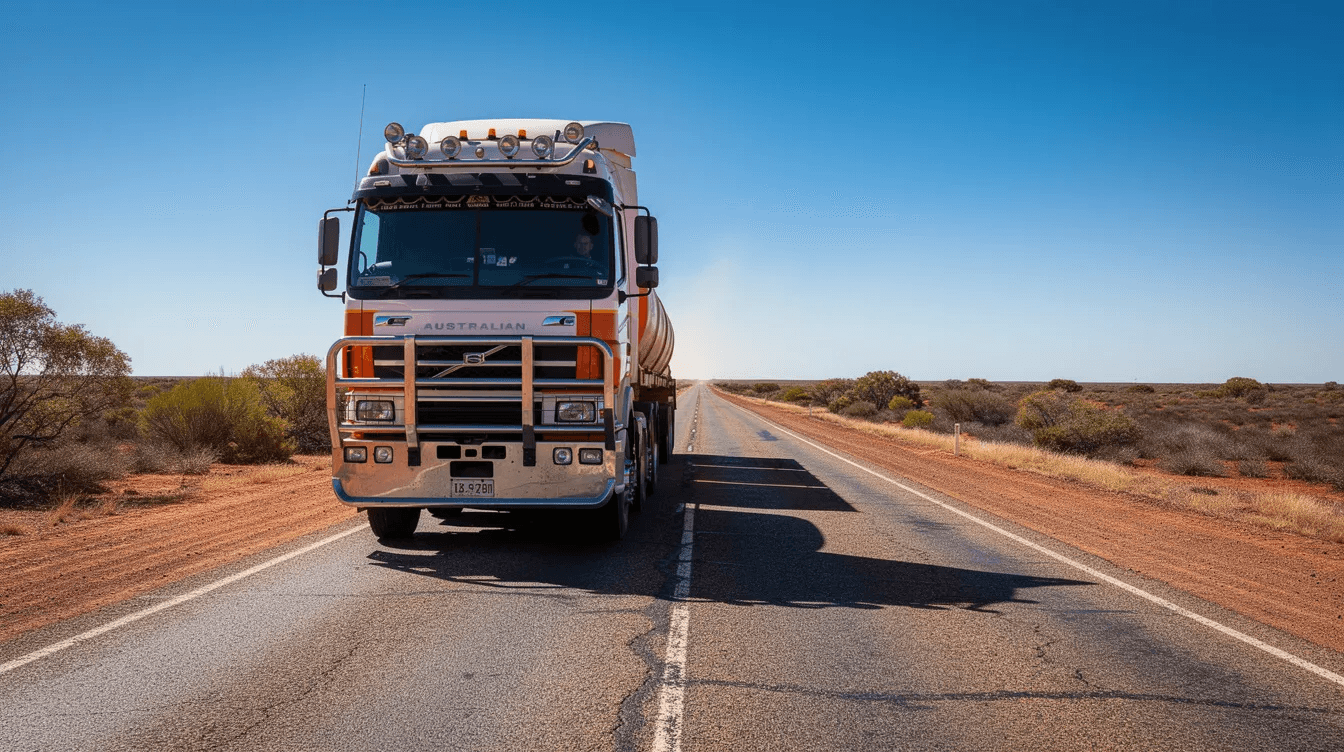
For most Australian truck drivers using their rig predominantly for business, the best equipment finance in 2026 is a chattel mortgage or commercial hire purchase with flexible terms, a manageable balloon payment, and strong tax benefits. These structures give you ownership (either from day one or at final payment), let you claim GST and depreciation, and keep monthly repayments aligned with your income.
Equipment financing for trucks includes chattel mortgages, commercial hire purchases, and finance leases. Here's how they stack up at a glance:
Chattel mortgage - You own the truck from settlement. Best for owner-drivers planning to hold the asset 5+ years. GST claimable upfront, interest and depreciation deductible.
Finance lease - The lender retains ownership; you pay lease rentals. Suits drivers who upgrade trucks regularly or want to preserve cash flow without taking on residual risk.
Commercial hire purchase - The financier owns the asset until your final payment, then ownership transfers. Common for operators wanting eventual ownership with different GST and accounting treatment.
Rent-to-buy / operating lease - More like long-term rental. Suits drivers who wish to use a vehicle without ownership risks and market depreciation concerns, but generally costs more over a long hold.
The "best" option depends on your GST registration status, ABN age, seasonal income patterns, and whether you want to own the truck or cycle into newer equipment every few years. Equipment financing options vary based on business needs and cash flow requirements.
GEA Capital works as a broker across multiple approved lenders to help truckies compare these truck finance options and structure commercial truck loans around run schedules and cash flow-not bank office hours.
How Equipment Finance Works for Truck Drivers
Equipment finance in the trucking context means a funding arrangement where the truck, trailer, fridge unit, dolly, or other business equipment itself secures the loan. It covers prime movers, rigid trucks, new and used trucks, refrigerated trailers, tippers, and more.
Key things to understand:
The truck or trailer acts as security via the Personal Property Securities Register (PPSR). This keeps your home equity and personal assets protected where possible-it's not a home loan top-up.
Commercial truck loans are written as business finance, not a standard car loan. Different approval rules, interest rates, and tax treatment apply compared to consumer lending.
Chattel mortgages allow business ownership from day one and offer GST claims and tax deductions. Commercial hire purchases begin with the lender owning the vehicle while the driver makes payments over time. Finance leases allow a business to lease a truck with tax-deductible rental payments and potential ownership options later.
Lenders can arrange structured fixed repayments over a set loan term (usually 3–7 years), with options including a balloon payment at term end, seasonal schedules for drivers with variable freight volumes, or step-up/step-down repayments.
Australian businesses can often claim interest, depreciation, and sometimes accelerated expensing on qualifying business-use heavy vehicles-subject to current ATO rules and thresholds. Your accountant should confirm eligibility based on your entity and asset type.
Key Loan Structures: Chattel Mortgage, Finance Lease & Hire Purchase
This section compares the three main structures truck drivers use when they get a truck loan or asset and equipment finance deal in Australia.
Chattel mortgage: Legal ownership from day one. The truck is used as security. Interest and depreciation are typically deductible. For GST-registered businesses, the full GST on the purchase price is usually claimable upfront in the next BAS period. This structure is best for long-term ownership where you plan to run the truck for its useful life.
Finance lease: The financier owns the truck. You pay lease rentals over the term, with a possible residual at the end. Leasing allows temporary use of trucks without ownership transfer. It may suit drivers upgrading trucks regularly or wanting to keep assets off their balance sheet (subject to accounting advice under AASB 16).
Commercial hire purchase: The financier owns the asset until the final repayment, at which point ownership transfers to you. You effectively "hire" the truck while paying it off. GST and accounting treatment differ from chattel mortgages-GST may be spread across payments rather than claimed upfront.
A standard consumer car loan is rarely the best structure for heavy commercial vehicles used for business, as it may limit tax benefits and flexibility on balloon payments and loan term options.
Speak with your accountant in parallel with your broker to align loan structure with tax planning-especially if you're running as a sole trader versus a company or trust.
Best Equipment Finance Options by Type of Truck Driver
The best finance deal changes depending on whether you're an owner-driver, subcontractor, or running a growing fleet across states. Tailored finance options help businesses grow efficiently, and flexible loan options cater to specific business needs.
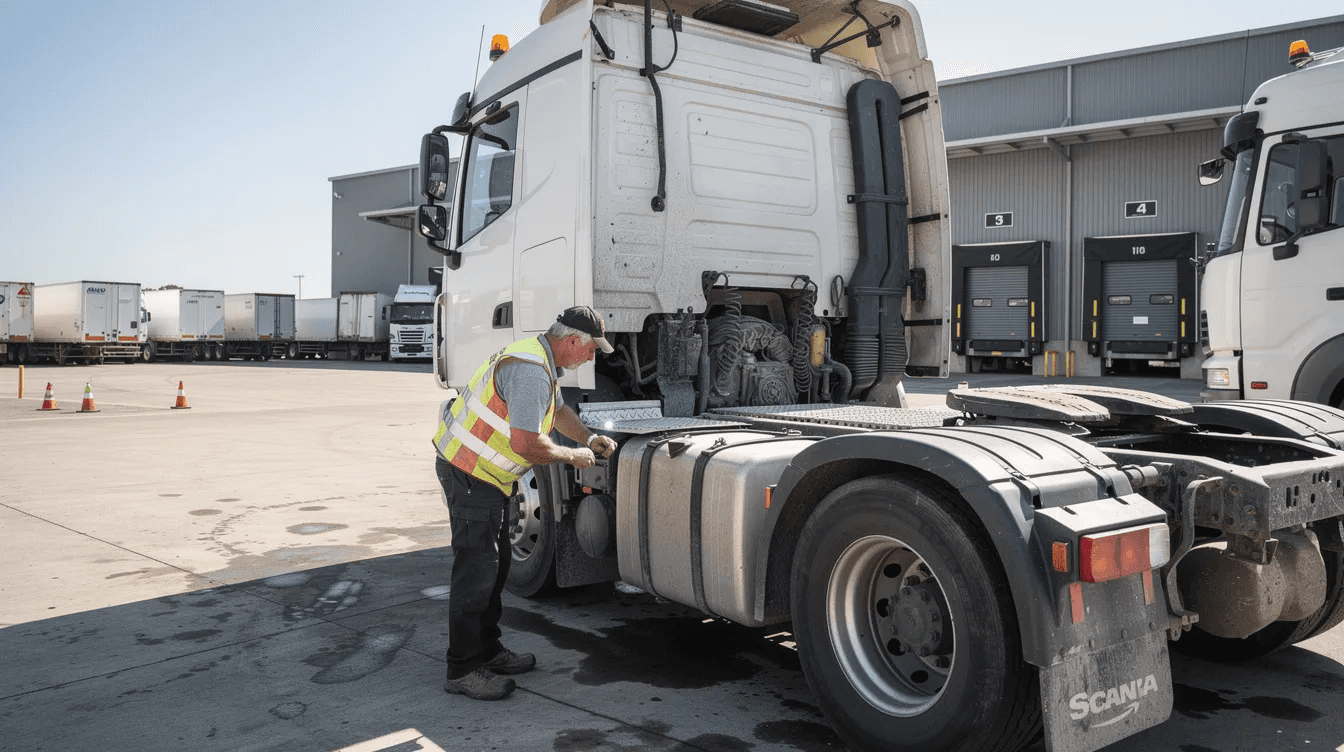
Owner-driver (single prime mover, interstate linehaul): A 5-year chattel mortgage with a moderate balloon payment (25–35%) typically offers the best balance of lower monthly repayments, upfront GST recovery, depreciation deductions, and long-term ownership value. According to Equifund's 2026 analysis, chattel mortgage net total cost of ownership on a $150,000 prime mover came in around $147,000 after accounting for residual value and GST-significantly lower than a finance lease over the same period.
Small fleet operators (2–10 trucks): A mix of chattel mortgages for trucks you'll hold long-term and finance leases for units you plan to cycle every 3–5 years works well. Staggering end dates helps smooth business cash flow and fleet replacement costs.
New ABN holders / ex-employee drivers: If you're going out on your own, low doc finance or bank-statement-based commercial truck loans can work even with limited financials. Most lenders offer loans for both new and used trucks. Startups and new ABNs with strong industry experience and a confirmed haulage contract can often access truck financing offers at competitive terms.
Specialised trucks (tippers, reefers, agitators, car carriers): Lenders treat these differently. Resale markets are narrower, so LVR limits are lower, maximum asset age at funding may be capped at 8 years, terms shorter, and balloons more conservative. Rate premiums and larger deposits are common.
GEA Capital's role is to match your driver profile and work type with the right lender and loan structure, rather than pushing a one-size-fits-all product.
Comparing Commercial Truck Loans vs Consumer Car Loans
Commercial truck loans and business equipment finance are fundamentally different from a personal car loan taken at a bank branch. Here's why that matters for truck drivers:
Commercial loans consider ABN age, BAS history, and contract income rather than just PAYG payslips. This suits truckies with variable months and seasonal income.
Consumer car loans are regulated differently, often have smaller maximum loan amount caps, and don't always allow structures like balloon payments at the same flexibility level.
Tax treatment affects financing decisions significantly. Interest, depreciation, and running costs on business vehicles can be deductible. A personal-use car loan won't offer the same business tax advantages. (Note: in Australia, the relevant depreciation provisions differ from overseas rules like Section 179 in the U.S., so always follow ATO guidance.)
GEA Capital positions truck finance clearly as business finance so truck drivers and Australian businesses can maximise available tax and GST benefits-with accountant advice alongside your dedicated finance specialist.
How Balloon Payments & Terms Affect Truck Repayments
Many truck drivers ask about balloon payments because they want to keep weekly or monthly repayments as low as possible without overextending the business.
A balloon payment is a lump sum (typically 10–40% of the truck's purchase price) due at the end of the loan term. It's commonly used in chattel mortgages and hire purchase deals. Balloon payments lower regular repayments by deferring that lump sum to term end.
Concrete example - $220,000 Kenworth T610 over 5 years:
Scenario | Balloon | Est. Monthly Repayments | Est. Total Interest |
|---|---|---|---|
No balloon | $0 | ~$4,420 | ~$45,200 |
30% balloon ($66,000) | $66,000 | ~$3,160 | ~$55,600 |
(Estimates based on ~7.5% p.a. nominal rate. Actual figures depend on credit profile and lender.)
Monthly repayments depend on loan amount and interest rate. A longer loan term reduces monthly repayments but increases total interest paid over the life of the finance.
A higher balloon means lower monthly repayments during the term but increases total interest cost and requires a clear plan at ownership or lease completion-whether that's refinancing, trading in, or paying cash.
Align your balloon size with the truck's realistic resale value in year 5–7. This helps business protect equity and avoids negative equity when you upgrade.
GEA Capital can model multiple scenarios using a truck finance repayment calculator approach so you choose a finance deal that matches your repayment plan without putting the business under pressure.
Eligibility & Documentation for Truck Equipment Finance
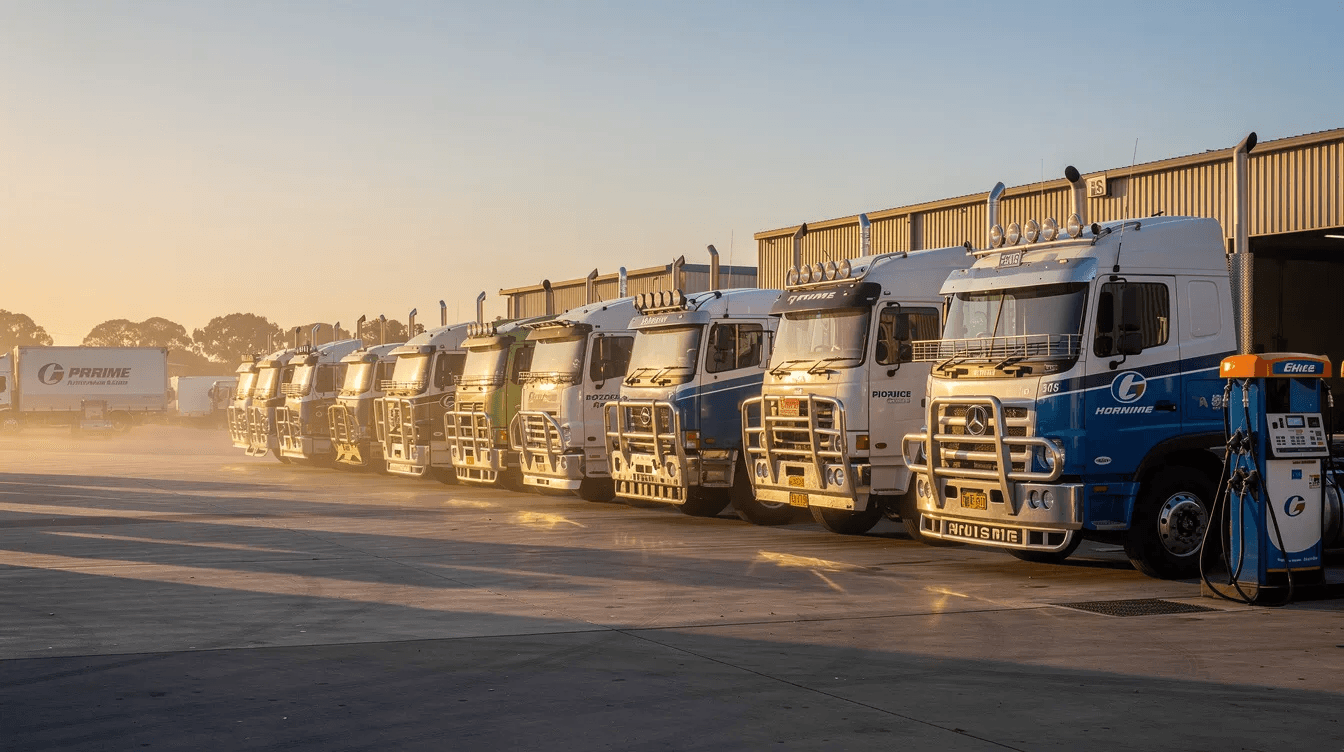
Truck finance is accessible even if you don't have perfect financial statements, but stronger documentation usually means sharper rates and better loan options.
Typical eligibility basics:
Over 18 years of age
Valid Australian driver's licence
ABN (new or existing)
Australian resident or citizen
You typically need proof of identity and business registration documents
Full-doc requirements (best rates):
Last 1–2 years' financial statements
Recent BAS statements
Bank statements (3–6 months)
ATO running balance
Existing equipment schedules for fleet operators
Low-doc / alt-doc options: Low-doc truck loans cater to new ABN holders or owner-operators lacking extensive financial documentation. Under these products, businesses provide self-declared income, bank statements, or BAS summaries. Most loans up to $1.5 million require no financials for approval, depending on lender and asset type. No declared income assessments may apply for certain loan financing options up to set limits.
Some many lenders are comfortable with new ABNs under 2 years if the driver has strong industry experience and a confirmed contract with a major transport or fleet operator.
Prepare your documents upfront so finance approvals can be as fast as 24–48 hours once the right lender is identified.
The Process to Get a Truck Loan Through GEA Capital
GEA Capital acts as a broker, not a bank. The process focuses on choice and speed rather than a single in-house product. Commercial vehicle financing can offer tailored solutions via brokers who have access to various lenders, and personalized service ensures the best financial solutions for businesses.
Quick enquiry: Submit a quick quote to start the application process-phone or online. Share details about the truck (new or used equipment, dealer or private sales, price, age, kilometres) and your business set-up. Consider it your first loan enquire step.
Goal alignment: Your same dedicated finance specialist reviews your goals. Do you want to own long-term or upgrade? Manage a balloon? Protect home equity? They'll recommend structures like chattel mortgage, finance lease, or hire purchase to suit your business's circumstances.
Lender comparison: GEA Capital sources quotes from a panel of commercial lenders, comparing interest rates, fees, maximum terms, allowable balloons, and early payout flexibility. They review applicable loans across the panel to find your best finance deal.
Pre approval: Pre approval is arranged so you can negotiate strongly on a specific truck purchase knowing your budget and conditions. Approval can occur within 24 hours for straightforward applications.
Settlement: Final approval, PPSR checks, and invoice handling-whether from dealers or private sales. Funding is usually released within 1–5 business days after approval so the truck can hit the road quickly.
Case Study: Powering an Australian Truck Business Forward
Here's how the right equipment finance can move a business forward.
The scenario: A Melbourne-based refrigerated freight operator-let's call him Sam-runs one 2019 rigid reefer under his own ABN. In early 2026, he lands a Woolworths and Coles contract requiring an additional prime mover and fridge trailer worth $410,000 combined. He needs to scale without crippling his cash flow.
The solution: GEA Capital arranges a chattel mortgage on the prime mover ($270,000) and a separate hire purchase for the trailer ($140,000), both on 5-year terms with a combined 25% balloon payment. Splitting the assets across different structures gives flexibility: the trailer can be traded earlier while the prime mover runs longer.
Tax benefits: The structure allows upfront GST claims on the full prime mover purchase price (Sam is GST-registered) and accelerated depreciation aligned with his accountant's advice. Tailored finance solutions can minimize repayments and maintain capital-critical when onboarding new contracts.
Outcome: Repayments are aligned with weekly supermarket invoice cycles. Flexible repayment options help manage business cash flow during ramp-up. Revenue increases by more than 50% within 12 months without over-leveraging. Sam's forward business planning now includes upgrading the trailer at year 3 while keeping the prime mover through to year 5.
Protecting Your Business While You Upgrade or Replace Trucks
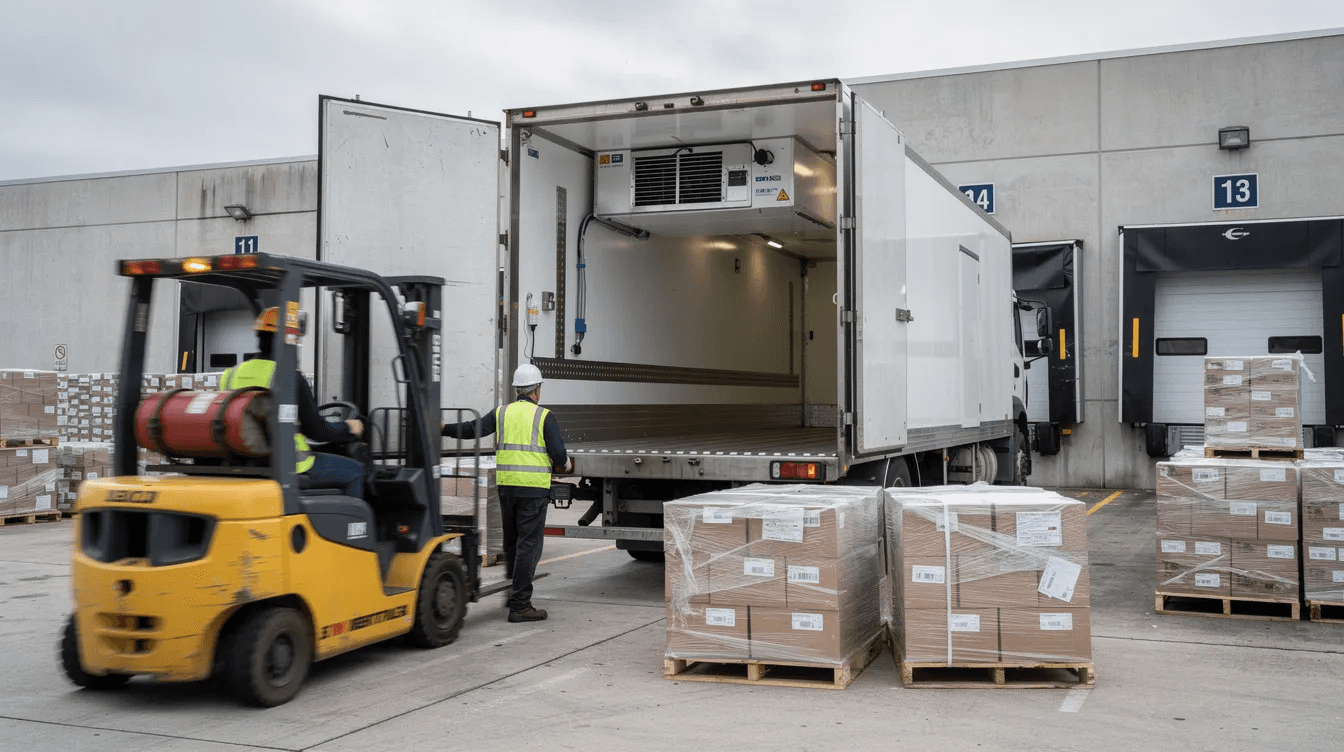
Taking on commercial truck loans should support the business-not expose it to unnecessary stress. Here's how to manage risk:
Avoid over-commitment. Set realistic budgets based on average, not best, weekly income. Factor in downtime for maintenance, illness, or quiet freight periods. Interest rates may vary based on the truck's age and condition, so budget for realistic costs.
Match term to truck life. Don't stretch a 10-year-old prime mover to a 7-year loan term. Most lenders cap used trucks at 8–10 years of age at funding for good reason.
Truck and trailer insurance matters. Arrange truck and trailer insurance tailored to your finance balance, especially with high balloons. Gap cover can protect against unexpected insurance shortfalls where a write-off payout may not cover the remaining loan amount.
Separate personal and business finance. Keep home loans and personal car loans away from commercial truck and equipment finance. This helps business protect its structure and limits personal exposure.
Plan your exit. GEA Capital looks at exit strategies upfront-how you will sell, trade, or refinance at ownership or lease completion-to keep the business forward-focused. Credit one's truck finance strategy should always include what happens at term end.
Why Use GEA Capital for Your Truck & Equipment Finance?
GEA Capital is a family-owned Melbourne-based finance brokerage helping truck drivers and Australian businesses across all states with tailored commercial truck loans and equipment finance.
Broker advantage: Access to a broad panel of banks and specialist equipment lenders means you compare rates and structures instead of being locked to one lender's policy. Credit one's brokers work across the full panel to find the right fit.
Fast, human support: Phone and online service designed around drivers' hours. A dedicated finance specialist handles your deal from first call to settlement, with quick pre-approvals so you don't miss out on good used trucks and trailers. It's designed to be hassle free.
Complex scenarios welcome: Experience with businesses with credit challenges, ATO debt, short ABN history, or older assets where mainstream banks may decline. A larger deposit can reduce your truck loan rate, and established businesses often qualify for better loan rates-but GEA Capital works with drivers at every stage.
Full capability: Chattel mortgages, finance leases, hire purchase, asset leasing, trailer loans, and other business finance facilities-trucks, trailers, and other business equipment funded under one strategy.
Ready to access truck financing that fits your routes, contracts, and long-term goals? Talk to GEA Capital's team about your truck and trailer needs, get a tailored quote, and get your truck finance approved with a structure built for the truck finance industry-not a generic template.
Frequently Asked Questions About Truck Equipment Finance
These FAQs cover common questions truck drivers ask before they get a truck loan or equipment finance in Australia. For more detail, visit GEA Capital's FAQs page.
Can I finance a used truck or trailer? Yes. Most lenders finance new and used trucks, though used trucks typically face age limits of 8–10 years at the time of funding. Kilometre caps or condition requirements may also apply. Both dealer and private sales can be financed, though private sales may require additional checks (PPSR, independent valuation). Truck finance depends on the specific asset and lender policy.
What interest rates can I expect on commercial truck loans in 2026? Truck loan rates start from 5.99% p.a. for strong credit profiles on newer assets. Typical ranges sit between 7% and 11% p.a. depending on your credit history, the truck's age and condition, loan term, and deposit size. New trucks typically attract lower interest rates, and larger deposits can lead to lower interest rates. Interest rates vary based on business profile and truck condition, so always get a current comparison.
How fast can I get approved and on the road? With documents ready, finance approvals can often be achieved in 24–48 hours. Settlement and funding follow within 1–5 business days. Transport businesses work on tight timelines, and GEA Capital structures the process around getting you on the road-not waiting in a branch queue.
Can I get equipment finance with bad credit or an ATO payment plan? It's possible through specialist lenders, but expect higher rates, a larger deposit, or additional security. Truck finance brokers like GEA Capital know which lenders on their panel accept these scenarios and can help you access truck financing even with credit blemishes.
Should I talk to an accountant before choosing between chattel mortgage, lease, and hire purchase? Strongly recommended. Tax and GST outcomes differ significantly by structure, entity type, and business use percentage. GEA Capital is happy to work alongside your accountant so the loan structure supports your business purchases and tax position-not just your monthly repayments. Together, the right team helps manage repayments and keep your business moving forward.
Best Equipment Finance for Truck Drivers in Australia (2026 Guide)
Finding the best equipment finance for truck drivers in Australia comes down to matching the right loan structure to your business, your truck, and the way you actually earn. This guide breaks down every major option available in 2026 so you can make a confident, informed decision.
Quick Answer: Best Equipment Finance Options for Truck Drivers
For most Australian truck drivers using their rig predominantly for business, the best equipment finance in 2026 is a chattel mortgage or commercial hire purchase with flexible terms, a manageable balloon payment, and strong tax benefits. These structures give you ownership (either from day one or at final payment), let you claim GST and depreciation, and keep monthly repayments aligned with your income.
Equipment financing for trucks includes chattel mortgages, commercial hire purchases, and finance leases. Here's how they stack up at a glance:
Chattel mortgage - You own the truck from settlement. Best for owner-drivers planning to hold the asset 5+ years. GST claimable upfront, interest and depreciation deductible.
Finance lease - The lender retains ownership; you pay lease rentals. Suits drivers who upgrade trucks regularly or want to preserve cash flow without taking on residual risk.
Commercial hire purchase - The financier owns the asset until your final payment, then ownership transfers. Common for operators wanting eventual ownership with different GST and accounting treatment.
Rent-to-buy / operating lease - More like long-term rental. Suits drivers who wish to use a vehicle without ownership risks and market depreciation concerns, but generally costs more over a long hold.
The "best" option depends on your GST registration status, ABN age, seasonal income patterns, and whether you want to own the truck or cycle into newer equipment every few years. Equipment financing options vary based on business needs and cash flow requirements.
GEA Capital works as a broker across multiple approved lenders to help truckies compare these truck finance options and structure commercial truck loans around run schedules and cash flow-not bank office hours.
How Equipment Finance Works for Truck Drivers
Equipment finance in the trucking context means a funding arrangement where the truck, trailer, fridge unit, dolly, or other business equipment itself secures the loan. It covers prime movers, rigid trucks, new and used trucks, refrigerated trailers, tippers, and more.
Key things to understand:
The truck or trailer acts as security via the Personal Property Securities Register (PPSR). This keeps your home equity and personal assets protected where possible-it's not a home loan top-up.
Commercial truck loans are written as business finance, not a standard car loan. Different approval rules, interest rates, and tax treatment apply compared to consumer lending.
Chattel mortgages allow business ownership from day one and offer GST claims and tax deductions. Commercial hire purchases begin with the lender owning the vehicle while the driver makes payments over time. Finance leases allow a business to lease a truck with tax-deductible rental payments and potential ownership options later.
Lenders can arrange structured fixed repayments over a set loan term (usually 3–7 years), with options including a balloon payment at term end, seasonal schedules for drivers with variable freight volumes, or step-up/step-down repayments.
Australian businesses can often claim interest, depreciation, and sometimes accelerated expensing on qualifying business-use heavy vehicles-subject to current ATO rules and thresholds. Your accountant should confirm eligibility based on your entity and asset type.
Key Loan Structures: Chattel Mortgage, Finance Lease & Hire Purchase
This section compares the three main structures truck drivers use when they get a truck loan or asset and equipment finance deal in Australia.
Chattel mortgage: Legal ownership from day one. The truck is used as security. Interest and depreciation are typically deductible. For GST-registered businesses, the full GST on the purchase price is usually claimable upfront in the next BAS period. This structure is best for long-term ownership where you plan to run the truck for its useful life.
Finance lease: The financier owns the truck. You pay lease rentals over the term, with a possible residual at the end. Leasing allows temporary use of trucks without ownership transfer. It may suit drivers upgrading trucks regularly or wanting to keep assets off their balance sheet (subject to accounting advice under AASB 16).
Commercial hire purchase: The financier owns the asset until the final repayment, at which point ownership transfers to you. You effectively "hire" the truck while paying it off. GST and accounting treatment differ from chattel mortgages-GST may be spread across payments rather than claimed upfront.
A standard consumer car loan is rarely the best structure for heavy commercial vehicles used for business, as it may limit tax benefits and flexibility on balloon payments and loan term options.
Speak with your accountant in parallel with your broker to align loan structure with tax planning-especially if you're running as a sole trader versus a company or trust.
Best Equipment Finance Options by Type of Truck Driver
The best finance deal changes depending on whether you're an owner-driver, subcontractor, or running a growing fleet across states. Tailored finance options help businesses grow efficiently, and flexible loan options cater to specific business needs.
Owner-driver (single prime mover, interstate linehaul): A 5-year chattel mortgage with a moderate balloon payment (25–35%) typically offers the best balance of lower monthly repayments, upfront GST recovery, depreciation deductions, and long-term ownership value. According to Equifund's 2026 analysis, chattel mortgage net total cost of ownership on a $150,000 prime mover came in around $147,000 after accounting for residual value and GST-significantly lower than a finance lease over the same period.
Small fleet operators (2–10 trucks): A mix of chattel mortgages for trucks you'll hold long-term and finance leases for units you plan to cycle every 3–5 years works well. Staggering end dates helps smooth business cash flow and fleet replacement costs.
New ABN holders / ex-employee drivers: If you're going out on your own, low doc finance or bank-statement-based commercial truck loans can work even with limited financials. Most lenders offer loans for both new and used trucks. Startups and new ABNs with strong industry experience and a confirmed haulage contract can often access truck financing offers at competitive terms.
Specialised trucks (tippers, reefers, agitators, car carriers): Lenders treat these differently. Resale markets are narrower, so LVR limits are lower, maximum asset age at funding may be capped at 8 years, terms shorter, and balloons more conservative. Rate premiums and larger deposits are common.
GEA Capital's role is to match your driver profile and work type with the right lender and loan structure, rather than pushing a one-size-fits-all product.
Comparing Commercial Truck Loans vs Consumer Car Loans
Commercial truck loans and business equipment finance are fundamentally different from a personal car loan taken at a bank branch. Here's why that matters for truck drivers:
Commercial loans consider ABN age, BAS history, and contract income rather than just PAYG payslips. This suits truckies with variable months and seasonal income.
Consumer car loans are regulated differently, often have smaller maximum loan amount caps, and don't always allow structures like balloon payments at the same flexibility level.
Tax treatment affects financing decisions significantly. Interest, depreciation, and running costs on business vehicles can be deductible. A personal-use car loan won't offer the same business tax advantages. (Note: in Australia, the relevant depreciation provisions differ from overseas rules like Section 179 in the U.S., so always follow ATO guidance.)
GEA Capital positions truck finance clearly as business finance so truck drivers and Australian businesses can maximise available tax and GST benefits-with accountant advice alongside your dedicated finance specialist.
How Balloon Payments & Terms Affect Truck Repayments
Many truck drivers ask about balloon payments because they want to keep weekly or monthly repayments as low as possible without overextending the business.
A balloon payment is a lump sum (typically 10–40% of the truck's purchase price) due at the end of the loan term. It's commonly used in chattel mortgages and hire purchase deals. Balloon payments lower regular repayments by deferring that lump sum to term end.
Concrete example - $220,000 Kenworth T610 over 5 years:
Scenario | Balloon | Est. Monthly Repayments | Est. Total Interest |
|---|---|---|---|
No balloon | $0 | ~$4,420 | ~$45,200 |
30% balloon ($66,000) | $66,000 | ~$3,160 | ~$55,600 |
(Estimates based on ~7.5% p.a. nominal rate. Actual figures depend on credit profile and lender.)
Monthly repayments depend on loan amount and interest rate. A longer loan term reduces monthly repayments but increases total interest paid over the life of the finance.
A higher balloon means lower monthly repayments during the term but increases total interest cost and requires a clear plan at ownership or lease completion-whether that's refinancing, trading in, or paying cash.
Align your balloon size with the truck's realistic resale value in year 5–7. This helps business protect equity and avoids negative equity when you upgrade.
GEA Capital can model multiple scenarios using a truck finance repayment calculator approach so you choose a finance deal that matches your repayment plan without putting the business under pressure.
Eligibility & Documentation for Truck Equipment Finance
Truck finance is accessible even if you don't have perfect financial statements, but stronger documentation usually means sharper rates and better loan options.
Typical eligibility basics:
Over 18 years of age
Valid Australian driver's licence
ABN (new or existing)
Australian resident or citizen
You typically need proof of identity and business registration documents
Full-doc requirements (best rates):
Last 1–2 years' financial statements
Recent BAS statements
Bank statements (3–6 months)
ATO running balance
Existing equipment schedules for fleet operators
Low-doc / alt-doc options: Low-doc truck loans cater to new ABN holders or owner-operators lacking extensive financial documentation. Under these products, businesses provide self-declared income, bank statements, or BAS summaries. Most loans up to $1.5 million require no financials for approval, depending on lender and asset type. No declared income assessments may apply for certain loan financing options up to set limits.
Some many lenders are comfortable with new ABNs under 2 years if the driver has strong industry experience and a confirmed contract with a major transport or fleet operator.
Prepare your documents upfront so finance approvals can be as fast as 24–48 hours once the right lender is identified.
The Process to Get a Truck Loan Through GEA Capital
GEA Capital acts as a broker, not a bank. The process focuses on choice and speed rather than a single in-house product. Commercial vehicle financing can offer tailored solutions via brokers who have access to various lenders, and personalized service ensures the best financial solutions for businesses.
Quick enquiry: Submit a quick quote to start the application process-phone or online. Share details about the truck (new or used equipment, dealer or private sales, price, age, kilometres) and your business set-up. Consider it your first loan enquire step.
Goal alignment: Your same dedicated finance specialist reviews your goals. Do you want to own long-term or upgrade? Manage a balloon? Protect home equity? They'll recommend structures like chattel mortgage, finance lease, or hire purchase to suit your business's circumstances.
Lender comparison: GEA Capital sources quotes from a panel of commercial lenders, comparing interest rates, fees, maximum terms, allowable balloons, and early payout flexibility. They review applicable loans across the panel to find your best finance deal.
Pre approval: Pre approval is arranged so you can negotiate strongly on a specific truck purchase knowing your budget and conditions. Approval can occur within 24 hours for straightforward applications.
Settlement: Final approval, PPSR checks, and invoice handling-whether from dealers or private sales. Funding is usually released within 1–5 business days after approval so the truck can hit the road quickly.
Case Study: Powering an Australian Truck Business Forward
Here's how the right equipment finance can move a business forward.
The scenario: A Melbourne-based refrigerated freight operator-let's call him Sam-runs one 2019 rigid reefer under his own ABN. In early 2026, he lands a Woolworths and Coles contract requiring an additional prime mover and fridge trailer worth $410,000 combined. He needs to scale without crippling his cash flow.
The solution: GEA Capital arranges a chattel mortgage on the prime mover ($270,000) and a separate hire purchase for the trailer ($140,000), both on 5-year terms with a combined 25% balloon payment. Splitting the assets across different structures gives flexibility: the trailer can be traded earlier while the prime mover runs longer.
Tax benefits: The structure allows upfront GST claims on the full prime mover purchase price (Sam is GST-registered) and accelerated depreciation aligned with his accountant's advice. Tailored finance solutions can minimize repayments and maintain capital-critical when onboarding new contracts.
Outcome: Repayments are aligned with weekly supermarket invoice cycles. Flexible repayment options help manage business cash flow during ramp-up. Revenue increases by more than 50% within 12 months without over-leveraging. Sam's forward business planning now includes upgrading the trailer at year 3 while keeping the prime mover through to year 5.
Protecting Your Business While You Upgrade or Replace Trucks
Taking on commercial truck loans should support the business-not expose it to unnecessary stress. Here's how to manage risk:
Avoid over-commitment. Set realistic budgets based on average, not best, weekly income. Factor in downtime for maintenance, illness, or quiet freight periods. Interest rates may vary based on the truck's age and condition, so budget for realistic costs.
Match term to truck life. Don't stretch a 10-year-old prime mover to a 7-year loan term. Most lenders cap used trucks at 8–10 years of age at funding for good reason.
Truck and trailer insurance matters. Arrange truck and trailer insurance tailored to your finance balance, especially with high balloons. Gap cover can protect against unexpected insurance shortfalls where a write-off payout may not cover the remaining loan amount.
Separate personal and business finance. Keep home loans and personal car loans away from commercial truck and equipment finance. This helps business protect its structure and limits personal exposure.
Plan your exit. GEA Capital looks at exit strategies upfront-how you will sell, trade, or refinance at ownership or lease completion-to keep the business forward-focused. Credit one's truck finance strategy should always include what happens at term end.
Why Use GEA Capital for Your Truck & Equipment Finance?
GEA Capital is a family-owned Melbourne-based finance brokerage helping truck drivers and Australian businesses across all states with tailored commercial truck loans and equipment finance.
Broker advantage: Access to a broad panel of banks and specialist equipment lenders means you compare rates and structures instead of being locked to one lender's policy. Credit one's brokers work across the full panel to find the right fit.
Fast, human support: Phone and online service designed around drivers' hours. A dedicated finance specialist handles your deal from first call to settlement, with quick pre-approvals so you don't miss out on good used trucks and trailers. It's designed to be hassle free.
Complex scenarios welcome: Experience with businesses with credit challenges, ATO debt, short ABN history, or older assets where mainstream banks may decline. A larger deposit can reduce your truck loan rate, and established businesses often qualify for better loan rates-but GEA Capital works with drivers at every stage.
Full capability: Chattel mortgages, finance leases, hire purchase, asset leasing, trailer loans, and other business finance facilities-trucks, trailers, and other business equipment funded under one strategy.
Ready to access truck financing that fits your routes, contracts, and long-term goals? Talk to GEA Capital's team about your truck and trailer needs, get a tailored quote, and get your truck finance approved with a structure built for the truck finance industry-not a generic template.
Frequently Asked Questions About Truck Equipment Finance
These FAQs cover common questions truck drivers ask before they get a truck loan or equipment finance in Australia. For more detail, visit GEA Capital's FAQs page.
Can I finance a used truck or trailer? Yes. Most lenders finance new and used trucks, though used trucks typically face age limits of 8–10 years at the time of funding. Kilometre caps or condition requirements may also apply. Both dealer and private sales can be financed, though private sales may require additional checks (PPSR, independent valuation). Truck finance depends on the specific asset and lender policy.
What interest rates can I expect on commercial truck loans in 2026? Truck loan rates start from 5.99% p.a. for strong credit profiles on newer assets. Typical ranges sit between 7% and 11% p.a. depending on your credit history, the truck's age and condition, loan term, and deposit size. New trucks typically attract lower interest rates, and larger deposits can lead to lower interest rates. Interest rates vary based on business profile and truck condition, so always get a current comparison.
How fast can I get approved and on the road? With documents ready, finance approvals can often be achieved in 24–48 hours. Settlement and funding follow within 1–5 business days. Transport businesses work on tight timelines, and GEA Capital structures the process around getting you on the road-not waiting in a branch queue.
Can I get equipment finance with bad credit or an ATO payment plan? It's possible through specialist lenders, but expect higher rates, a larger deposit, or additional security. Truck finance brokers like GEA Capital know which lenders on their panel accept these scenarios and can help you access truck financing even with credit blemishes.
Should I talk to an accountant before choosing between chattel mortgage, lease, and hire purchase? Strongly recommended. Tax and GST outcomes differ significantly by structure, entity type, and business use percentage. GEA Capital is happy to work alongside your accountant so the loan structure supports your business purchases and tax position-not just your monthly repayments. Together, the right team helps manage repayments and keep your business moving forward.
Our Solutions
Gabriel Anagnostakis is an authorised credit representative (No. 562173) of Viking Asset Aggregation Pty Ltd, trading as GEA Capital (The Trustee for GEA Family Trust, ABN: 76 533 017 761). Australian Credit licence Number 543046 and is authorised to provide credit related activities.

Our Solutions
Gabriel Anagnostakis is an authorised credit representative (No. 562173) of Viking Asset Aggregation Pty Ltd, trading as GEA Capital (The Trustee for GEA Family Trust, ABN: 76 533 017 761). Australian Credit licence Number 543046 and is authorised to provide credit related activities.
Our Solutions
Gabriel Anagnostakis is an authorised credit representative (No. 562173) of Viking Asset Aggregation Pty Ltd, trading as GEA Capital (The Trustee for GEA Family Trust, ABN: 76 533 017 761). Australian Credit licence Number 543046 and is authorised to provide credit related activities.
Our Solutions
Gabriel Anagnostakis is an authorised credit representative (No. 562173) of Viking Asset Aggregation Pty Ltd, trading as GEA Capital (The Trustee for GEA Family Trust, ABN: 76 533 017 761). Australian Credit licence Number 543046 and is authorised to provide credit related activities.