Chattel Mortgage vs Hire Purchase: Which Suits Your Australian Business in 2026?
Chattel Mortgage vs Hire Purchase: Which Suits Your Australian Business in 2026?
Choosing between a chattel mortgage and a hire purchase comes down to one question: do you need to own the asset from day one, or are you comfortable waiting until the last payment? This guide breaks down both structures with 2026 rates, tax rules, and practical scenarios so you can pick the right one.
Chattel Mortgage vs Hire Purchase: Quick Answer for Australian Businesses
Both chattel mortgage and hire purchase are asset finance structures used to fund business vehicles, machinery, and equipment across Australia. The core difference is when legal asset ownership transfers.
Here is the short version:
Chattel mortgage: the business owns the asset from settlement. The lender takes a security interest (registered on the PPSR) as collateral. A chattel mortgage is secured by the asset being financed.
Hire purchase: the lender owns the asset during the finance term. The financier retains legal ownership in a hire purchase until all conditions are satisfied. Hire purchase transfers ownership after the final payment is made.
GST timing: under a chattel mortgage, businesses can claim full GST on the purchase price upfront. Hire purchase agreements entered after 1 July 2012 generally allow similar upfront claims for accruals-basis businesses, though cash-basis businesses may claim progressively.
Cash flow: both structures support balloon payments to reduce monthly repayments. Chattel mortgages typically have lower interest rates than leases and, in Q2 2026, carried a median prime SME rate of 6.76% p.a. versus 7.04% for hire purchase.
End-of-term flexibility: with a chattel mortgage, once the loan and any balloon are repaid, you hold unencumbered ownership. With hire purchase, ownership only transfers after the final payment or exercise of a purchase option.
GEA Capital can structure either a chattel mortgage or hire purchase to suit your tax position and asset purchase timeline.
What Is a Chattel Mortgage? (Definition & Core Features)
A chattel mortgage is a type of business loan secured against moveable business equipment or a business vehicle. The business owns the asset immediately on purchase, while the lender registers a security interest on the Personal Property Securities Register (PPSR) until the loan is repaid.
Chattel mortgages allow ownership from the start of the term. That means you can modify, use, and even sell the asset (subject to discharging the loan) from day one.
Typical assets financed through chattel mortgages include:
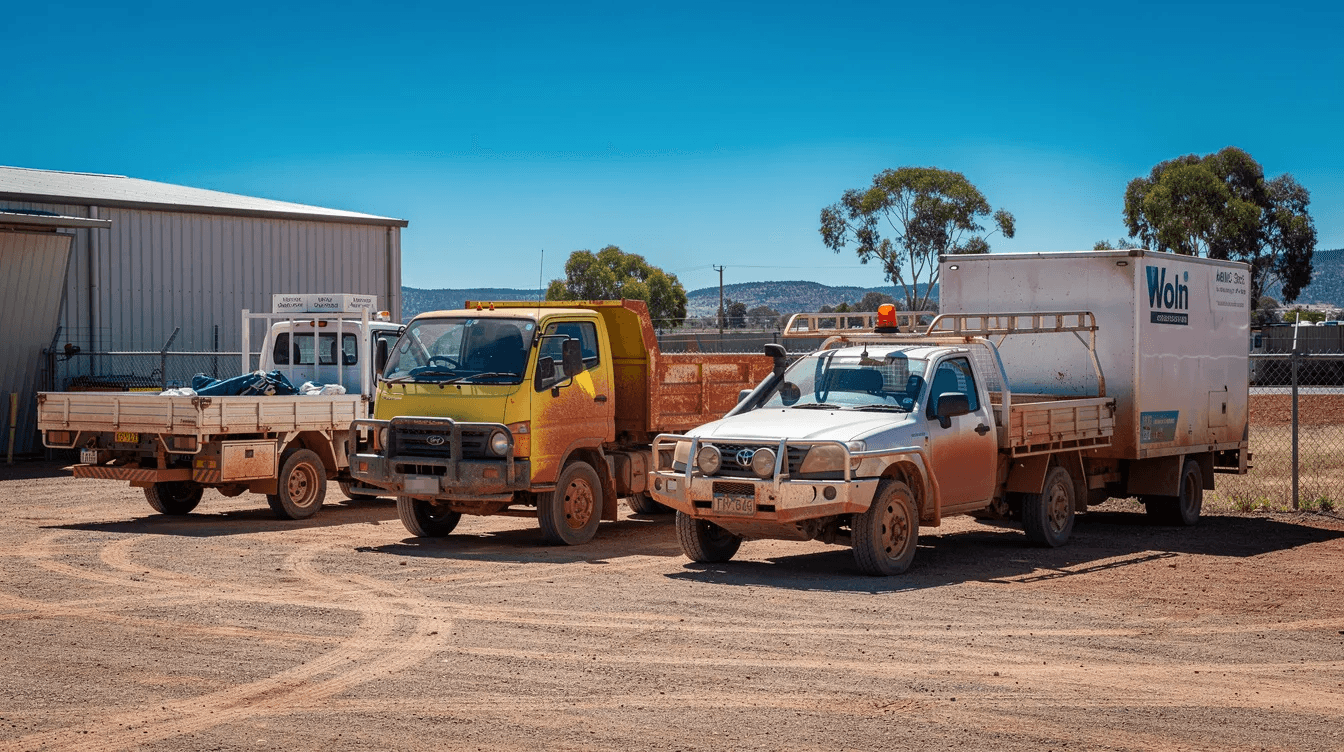
Business vehicles: utes, vans, trucks
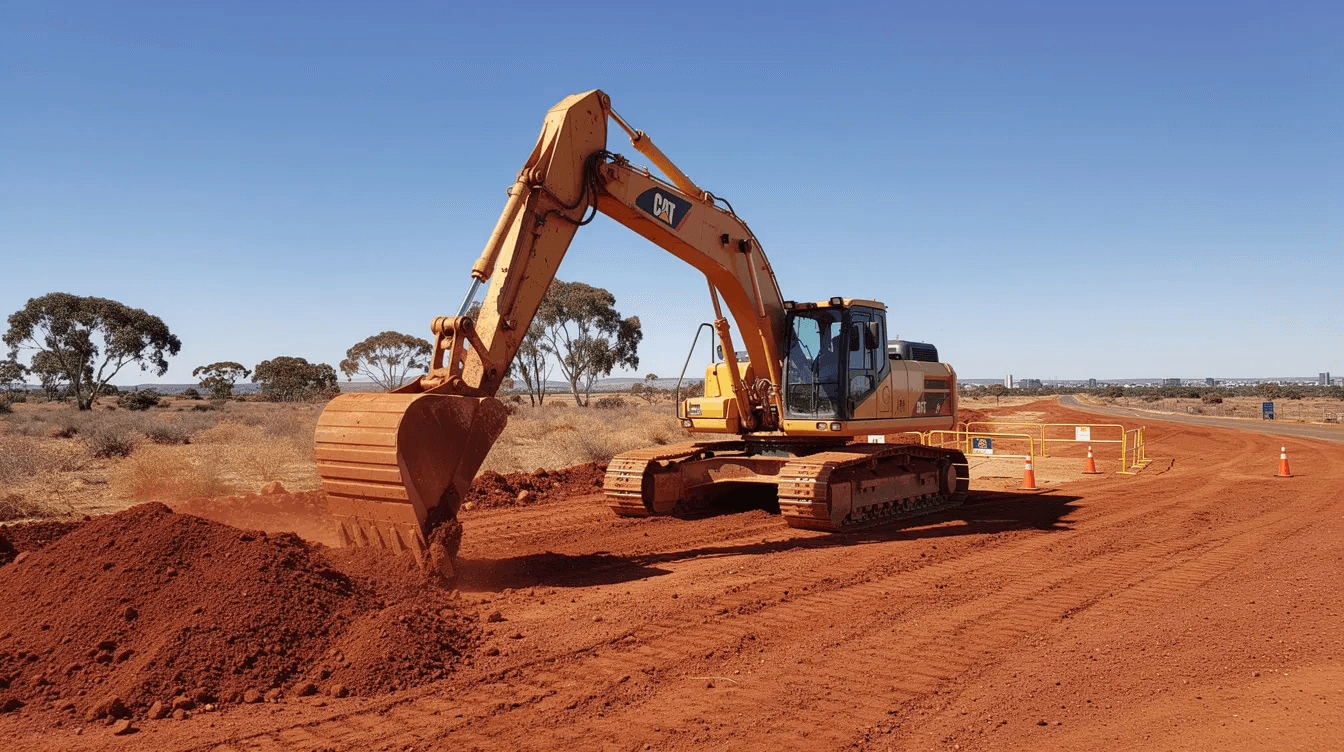
Yellow goods: excavators, loaders, dozers
Construction and manufacturing machinery
Medical, hospitality, and IT equipment
Terms usually run 2 to 7 years, with fixed monthly repayments and an optional balloon payment at the end to lower monthly outgoings. Chattel mortgages are often preferred for their administrative simplicity and straightforward ownership structure, which is why many Australian businesses treat them as the default asset finance option.
As a broker, GEA Capital sources chattel mortgage options from multiple lenders, not just one bank, to match different industries, credit profiles, and deposit preferences.
What Is a Hire Purchase? (Definition & Core Features)
A hire purchase is a finance agreement where you hire the asset and make regular instalments. Legal title remains with the financier until the final payment is made.
You still control and use the business equipment or business vehicle for business purposes during the term. But asset ownership transfers only after the last instalment, plus any balloon payment, is complete. The lender owns the asset throughout the hire purchase agreement.
Structurally, hire purchase repayments look similar to a chattel mortgage; the legal owner during the term is what differs, which can affect balance sheet presentation and some contractual risks. Monthly repayments for hire purchase are usually higher than leases because hire purchase leads to eventual ownership, while a lease does not.
Common use cases include businesses that want predictable payments and may not need immediate asset ownership on their balance sheet, or situations where a particular lender prefers hire purchase documentation.
For hire purchase agreements entered on or after 1 July 2012, the ATO's GST rules treat them as a sale of goods plus finance, aligning them more closely with chattel mortgage outcomes for most businesses.
GEA Capital can obtain both traditional hire purchase and "commercial hire purchase" structures from its lender panel for SMEs across Australia.
How Chattel Mortgages Work in Practice
Consider an Australian tradie buying a $70,000 (GST-inclusive) business vehicle via chattel mortgage. Here is the typical sequence:
The business selects the vehicle from a dealer.
GEA Capital arranges approval with a suitable lender from its panel.
The lender advances the full purchase price to the dealer.
The business takes title to the vehicle immediately.
The lender records a chattel mortgage security on the PPSR.
Repayments are fixed over a set loan term (commonly 3 to 5 years), with interest calculated on the business loan balance. An optional balloon payment at the end can reduce regular repayments; for example, a 30% balloon on a $70,000 loan means only $49,000 is amortised across monthly payments, with $21,000 due at the end.
Because the business owns the asset from day one, it bears all running costs: registration, insurance, maintenance, and any damage risk. If the business wants to sell or trade the vehicle mid-term, it can do so once the remaining loan balance is cleared.
Chattel mortgage is often paired with instant asset write-off or depreciation strategies for qualifying Australian businesses. Businesses can claim depreciation on assets financed by chattel mortgages, and interest payments on chattel mortgages are tax deductible.
How Hire Purchase Works in Practice
An Australian SME needs $80,000 of high value equipment in 2026. Under a 4-year hire purchase, the process unfolds differently from a chattel mortgage.
The financier purchases the business equipment from the supplier. The business enters into a purchase agreement to use it, making fixed monthly payments over the finance term. Legal title stays with the financier during the entire term; the business gains ownership only when the final payment is made.
Despite not holding title, the business bears most of the risks and rewards of ownership: maintenance, insurance, and exposure to market value changes all sit with the user.
At the end of the term, once the last payment (including any balloon) is completed, legal ownership transfers automatically. Some agreements allow an early payout and transfer of title before the scheduled end date.
Default scenarios differ from chattel mortgage in a practical way. Because the financier is the legal owner under hire purchase, they have clearer contractual rights to repossess the asset on serious default without needing to enforce a security interest through the same process a chattel mortgage lender would follow.
Asset Ownership: Who Owns the Asset, and When?
Asset ownership timing is the defining legal difference between chattel mortgage vs hire purchase.
Chattel mortgage: the business takes legal and beneficial ownership at settlement. The lender holds only a security interest, registered on the PPSR as a non-purchase-money security interest.
Hire purchase: the financier holds legal title throughout the term. The business gains title only when the last instalment and any balloon is paid. The PPSR registration is typically a purchase-money security interest (PMSI), giving the financier priority in enforcement.
Under Australian accounting standards, many businesses still recognise the asset and the corresponding liability on their balance sheet under both structures, because economic substance follows the user of the asset. But legal title matters for bank covenants, guarantees, and contract clauses.
Practical implications include: who can authorise modifications to the asset, what happens in insolvency (under hire purchase, the asset sits outside the borrower's asset pool because the financier owns it), and how asset ownership influences resale or trade-in negotiations during the term.
GEA Capital helps clients understand how each ownership structure will present in their financial statements and lender covenant calculations.
Tax and GST Treatment: Chattel Mortgage vs Hire Purchase (Australia, 2026)
When choosing financing options, evaluating tax treatment and security is crucial for businesses. Here is how each structure stacks up.
Depreciation and interest deductions apply to both. Since the business is treated as the "tax owner" for depreciation purposes under either structure, you can claim depreciation on the asset over its effective life. Chattel mortgages may offer tax-deductible interest and depreciation, and the same generally applies to hire purchase. The interest component of each repayment is a deductible business expense, proportional to business use.
Chattel mortgage GST: a chattel mortgage allows full GST claim upfront on purchase. For GST-registered businesses, the full input tax credit on the asset purchase price (up to the car limit of $69,674 for 2025-26 where relevant) can usually be claimed on the next business activity statement, subject to business use percentage.
Hire purchase GST (post-1 July 2012):
On accruals basis, businesses can generally claim the full GST credit upfront, similar to a chattel mortgage.
On cash basis, hire purchase agreements typically allow for GST to be claimed progressively over the repayment term, which affects cash flow differently.
Interest charges are input taxed, meaning no GST credit applies to the interest portion.
By contrast, a finance lease or operating lease does not grant ownership during the term. Lease payments are treated as rental expenses, not ownership costs, and GST on lease payments is claimed progressively, not upfront.
Instant asset write-off applies to chattel mortgages and hire purchases for eligible businesses. Confirm eligibility and thresholds for the 2026-27 financial year with your accountant, as rules change with each federal budget.
GEA Capital works alongside clients' accountants to align asset finance structures with tax and GST strategy, without giving formal tax advice.
Impact on Cash Flow, Deposits and Balloon Payments
Both chattel mortgage and hire purchase can be structured to protect cash flow through low deposits and balloon payments.
A $0 upfront deposit structure allows Australian businesses to finance up to 100% of the full purchase price, and sometimes extras like on-road costs and accessories, preserving working capital for operating expenses.
How balloon payments work:
A balloon payment is a lump sum, often 10% to 40% of the original amount, due at the end of the finance term.
Both chattel mortgages and hire purchases can feature balloon payments to lower regular repayments.
A higher balloon reduces monthly payments and helps day-to-day cash flow but increases total interest paid and leaves a larger residual value to manage at term end.
Strategies for handling the balloon:
Clear it from cash reserves.
Refinance the balloon into a new facility.
Sell or trade the asset to cover the amount.
The presence or size of a balloon does not change asset ownership timing. Under a chattel mortgage, the business owns throughout. Under hire purchase, the lender owns until the final payment.
GEA Capital can model different loan terms and balloon percentages for each structure to show repayment and interest outcomes before you commit.

Risk, Flexibility and End-of-Term Outcomes
Both structures can be flexible, but they carry different legal and commercial risks.
Early payout flexibility:
Chattel mortgage typically allows payout and discharge at any time, with interest savings and possible break costs.
Hire purchase often allows early payout too, but the contract may contain more prescriptive early termination clauses because the financier is the legal owner.
Default scenarios matter for operational continuity. If a key business vehicle or piece of business equipment is repossessed, the impact on revenue can be immediate. Under hire purchase, the financier's repossession path is more direct because they already hold title. Under chattel mortgage, the lender enforces its security interest, which involves a slightly different legal process.
End-of-term options:
Chattel mortgage: keep and own the asset outright (you already do), refinance, or sell and upgrade. You can purchase vehicles or equipment outright once the loan clears.
Hire purchase: once the final payment is made, title transfers. Then similar options apply: keep, refinance, or sell.
Some industries, such as construction, transport, and agriculture, prefer ownership structures that make upgrade cycles and trade-ins smoother. GEA Capital can accommodate these through tailored asset finance solutions.
Which Structure Suits Different Australian Businesses and Assets?
This section is a practical guide, not theory.
Established business wanting long-term asset ownership from day one: chattel mortgage is the usual choice. Chattel mortgages allow ownership from the start of financing, and the business owns the asset on its balance sheet immediately.
Seasonal businesses or those on cash-basis GST: hire purchase may be worth considering if spreading GST credits over time aligns better with how you manage cash flow.
Fast-growing SMEs with tight bank covenants: structure choice depends on accounting and banking advice. Leases do not provide ownership during the agreement term but allow for easy upgrades of equipment during the term, which suits businesses with rapid technology cycles.
Specific use cases:
Business vehicle fleets and utes for trades: chattel mortgage for ownership clarity and the ability to claim interest and depreciation from day one.
Yellow goods and construction machinery: chattel mortgage for long-hold assets; hire purchase or operating lease for shorter cycles.
IT, medical, and manufacturing equipment with fast obsolescence: consider a finance lease alongside chattel mortgage vs hire purchase, as leases allow easy upgrades.
Consider asset effective life, upgrade plans, your business structure (sole trader, company, trust), and GST accounting method before choosing. GEA Capital reviews each client's situation before recommending a finance option.
Working with a Broker Like GEA Capital for Asset Finance
GEA Capital is a Melbourne-based, family-owned finance brokerage serving Australian businesses nationwide.
Key advantages of using a broker for chattel mortgage and hire purchase:
Access to a broad panel of bank and non bank lenders for business loans, car and equipment finance, and vehicle finance.
Ability to compare structures (chattel mortgage vs hire purchase vs lease) and negotiate interest rates, fees, and balloon payments across multiple lenders.
Support for applicants with limited financials, newer businesses, or non-perfect credit histories through low-doc and alt-doc solutions.
The typical process: initial discussion, reviewing the asset purchase details, assessing serviceability and cash flow, structuring options, submitting to lenders, and guiding you through approval and settlement. GEA Capital can coordinate with your accountant to align tax and GST outcomes, without giving formal tax advice.
How to Decide: Key Questions to Ask Before You Choose
Before locking in chattel mortgage or hire purchase for your next asset purchase, work through these questions. You can also find more guidance on GEA Capital's FAQs page.
Do I need legal asset ownership from day one, or is end-of-term ownership acceptable?
Am I registered for GST on a cash or accruals basis, and how important is an upfront GST credit versus spreading credits over time?
How long will I realistically keep this business vehicle or piece of business equipment?
Would a balloon payment meaningfully improve monthly cash flow, and can I confidently cover the balloon when it falls due?
How will this business finance sit with my bank covenants and balance sheet metrics?
What does my accountant recommend based on my current tax position and cash flow?
Have I reviewed recent bank statements and my business activity statement to confirm serviceability?
Am I comparing offers from multiple lenders, or relying on a single dealer finance quote?
Write down your answers and share them with both your accountant and GEA Capital. The right structure is a strategic decision, not just an interest rate comparison. Seek advice before committing.
Ready to Finance Your Next Asset with GEA Capital?
The "best" finance agreement depends on your asset ownership goals, tax position, GST accounting method, and cash flow priorities.
Contact GEA Capital for a no-obligation discussion about business finance, including vehicles, machinery, and business equipment purchases. The team can:
Compare multiple lenders quickly.
Model repayments, balloon payments, and cash flow impact for each structure.
Help prepare documentation (BAS, bank statements, financials) to streamline approvals.
GEA Capital services Australian businesses nationwide and assists both small sole traders and larger SMEs. Reach out before signing a dealer or supplier finance contract so you can compare independent options first.
Chattel Mortgage vs Hire Purchase: Which Suits Your Australian Business in 2026?
Choosing between a chattel mortgage and a hire purchase comes down to one question: do you need to own the asset from day one, or are you comfortable waiting until the last payment? This guide breaks down both structures with 2026 rates, tax rules, and practical scenarios so you can pick the right one.
Chattel Mortgage vs Hire Purchase: Quick Answer for Australian Businesses
Both chattel mortgage and hire purchase are asset finance structures used to fund business vehicles, machinery, and equipment across Australia. The core difference is when legal asset ownership transfers.
Here is the short version:
Chattel mortgage: the business owns the asset from settlement. The lender takes a security interest (registered on the PPSR) as collateral. A chattel mortgage is secured by the asset being financed.
Hire purchase: the lender owns the asset during the finance term. The financier retains legal ownership in a hire purchase until all conditions are satisfied. Hire purchase transfers ownership after the final payment is made.
GST timing: under a chattel mortgage, businesses can claim full GST on the purchase price upfront. Hire purchase agreements entered after 1 July 2012 generally allow similar upfront claims for accruals-basis businesses, though cash-basis businesses may claim progressively.
Cash flow: both structures support balloon payments to reduce monthly repayments. Chattel mortgages typically have lower interest rates than leases and, in Q2 2026, carried a median prime SME rate of 6.76% p.a. versus 7.04% for hire purchase.
End-of-term flexibility: with a chattel mortgage, once the loan and any balloon are repaid, you hold unencumbered ownership. With hire purchase, ownership only transfers after the final payment or exercise of a purchase option.
GEA Capital can structure either a chattel mortgage or hire purchase to suit your tax position and asset purchase timeline.
What Is a Chattel Mortgage? (Definition & Core Features)
A chattel mortgage is a type of business loan secured against moveable business equipment or a business vehicle. The business owns the asset immediately on purchase, while the lender registers a security interest on the Personal Property Securities Register (PPSR) until the loan is repaid.
Chattel mortgages allow ownership from the start of the term. That means you can modify, use, and even sell the asset (subject to discharging the loan) from day one.
Typical assets financed through chattel mortgages include:
Business vehicles: utes, vans, trucks
Yellow goods: excavators, loaders, dozers
Construction and manufacturing machinery
Medical, hospitality, and IT equipment
Terms usually run 2 to 7 years, with fixed monthly repayments and an optional balloon payment at the end to lower monthly outgoings. Chattel mortgages are often preferred for their administrative simplicity and straightforward ownership structure, which is why many Australian businesses treat them as the default asset finance option.
As a broker, GEA Capital sources chattel mortgage options from multiple lenders, not just one bank, to match different industries, credit profiles, and deposit preferences.
What Is a Hire Purchase? (Definition & Core Features)
A hire purchase is a finance agreement where you hire the asset and make regular instalments. Legal title remains with the financier until the final payment is made.
You still control and use the business equipment or business vehicle for business purposes during the term. But asset ownership transfers only after the last instalment, plus any balloon payment, is complete. The lender owns the asset throughout the hire purchase agreement.
Structurally, hire purchase repayments look similar to a chattel mortgage; the legal owner during the term is what differs, which can affect balance sheet presentation and some contractual risks. Monthly repayments for hire purchase are usually higher than leases because hire purchase leads to eventual ownership, while a lease does not.
Common use cases include businesses that want predictable payments and may not need immediate asset ownership on their balance sheet, or situations where a particular lender prefers hire purchase documentation.
For hire purchase agreements entered on or after 1 July 2012, the ATO's GST rules treat them as a sale of goods plus finance, aligning them more closely with chattel mortgage outcomes for most businesses.
GEA Capital can obtain both traditional hire purchase and "commercial hire purchase" structures from its lender panel for SMEs across Australia.
How Chattel Mortgages Work in Practice
Consider an Australian tradie buying a $70,000 (GST-inclusive) business vehicle via chattel mortgage. Here is the typical sequence:
The business selects the vehicle from a dealer.
GEA Capital arranges approval with a suitable lender from its panel.
The lender advances the full purchase price to the dealer.
The business takes title to the vehicle immediately.
The lender records a chattel mortgage security on the PPSR.
Repayments are fixed over a set loan term (commonly 3 to 5 years), with interest calculated on the business loan balance. An optional balloon payment at the end can reduce regular repayments; for example, a 30% balloon on a $70,000 loan means only $49,000 is amortised across monthly payments, with $21,000 due at the end.
Because the business owns the asset from day one, it bears all running costs: registration, insurance, maintenance, and any damage risk. If the business wants to sell or trade the vehicle mid-term, it can do so once the remaining loan balance is cleared.
Chattel mortgage is often paired with instant asset write-off or depreciation strategies for qualifying Australian businesses. Businesses can claim depreciation on assets financed by chattel mortgages, and interest payments on chattel mortgages are tax deductible.
How Hire Purchase Works in Practice
An Australian SME needs $80,000 of high value equipment in 2026. Under a 4-year hire purchase, the process unfolds differently from a chattel mortgage.
The financier purchases the business equipment from the supplier. The business enters into a purchase agreement to use it, making fixed monthly payments over the finance term. Legal title stays with the financier during the entire term; the business gains ownership only when the final payment is made.
Despite not holding title, the business bears most of the risks and rewards of ownership: maintenance, insurance, and exposure to market value changes all sit with the user.
At the end of the term, once the last payment (including any balloon) is completed, legal ownership transfers automatically. Some agreements allow an early payout and transfer of title before the scheduled end date.
Default scenarios differ from chattel mortgage in a practical way. Because the financier is the legal owner under hire purchase, they have clearer contractual rights to repossess the asset on serious default without needing to enforce a security interest through the same process a chattel mortgage lender would follow.
Asset Ownership: Who Owns the Asset, and When?
Asset ownership timing is the defining legal difference between chattel mortgage vs hire purchase.
Chattel mortgage: the business takes legal and beneficial ownership at settlement. The lender holds only a security interest, registered on the PPSR as a non-purchase-money security interest.
Hire purchase: the financier holds legal title throughout the term. The business gains title only when the last instalment and any balloon is paid. The PPSR registration is typically a purchase-money security interest (PMSI), giving the financier priority in enforcement.
Under Australian accounting standards, many businesses still recognise the asset and the corresponding liability on their balance sheet under both structures, because economic substance follows the user of the asset. But legal title matters for bank covenants, guarantees, and contract clauses.
Practical implications include: who can authorise modifications to the asset, what happens in insolvency (under hire purchase, the asset sits outside the borrower's asset pool because the financier owns it), and how asset ownership influences resale or trade-in negotiations during the term.
GEA Capital helps clients understand how each ownership structure will present in their financial statements and lender covenant calculations.
Tax and GST Treatment: Chattel Mortgage vs Hire Purchase (Australia, 2026)
When choosing financing options, evaluating tax treatment and security is crucial for businesses. Here is how each structure stacks up.
Depreciation and interest deductions apply to both. Since the business is treated as the "tax owner" for depreciation purposes under either structure, you can claim depreciation on the asset over its effective life. Chattel mortgages may offer tax-deductible interest and depreciation, and the same generally applies to hire purchase. The interest component of each repayment is a deductible business expense, proportional to business use.
Chattel mortgage GST: a chattel mortgage allows full GST claim upfront on purchase. For GST-registered businesses, the full input tax credit on the asset purchase price (up to the car limit of $69,674 for 2025-26 where relevant) can usually be claimed on the next business activity statement, subject to business use percentage.
Hire purchase GST (post-1 July 2012):
On accruals basis, businesses can generally claim the full GST credit upfront, similar to a chattel mortgage.
On cash basis, hire purchase agreements typically allow for GST to be claimed progressively over the repayment term, which affects cash flow differently.
Interest charges are input taxed, meaning no GST credit applies to the interest portion.
By contrast, a finance lease or operating lease does not grant ownership during the term. Lease payments are treated as rental expenses, not ownership costs, and GST on lease payments is claimed progressively, not upfront.
Instant asset write-off applies to chattel mortgages and hire purchases for eligible businesses. Confirm eligibility and thresholds for the 2026-27 financial year with your accountant, as rules change with each federal budget.
GEA Capital works alongside clients' accountants to align asset finance structures with tax and GST strategy, without giving formal tax advice.
Impact on Cash Flow, Deposits and Balloon Payments
Both chattel mortgage and hire purchase can be structured to protect cash flow through low deposits and balloon payments.
A $0 upfront deposit structure allows Australian businesses to finance up to 100% of the full purchase price, and sometimes extras like on-road costs and accessories, preserving working capital for operating expenses.
How balloon payments work:
A balloon payment is a lump sum, often 10% to 40% of the original amount, due at the end of the finance term.
Both chattel mortgages and hire purchases can feature balloon payments to lower regular repayments.
A higher balloon reduces monthly payments and helps day-to-day cash flow but increases total interest paid and leaves a larger residual value to manage at term end.
Strategies for handling the balloon:
Clear it from cash reserves.
Refinance the balloon into a new facility.
Sell or trade the asset to cover the amount.
The presence or size of a balloon does not change asset ownership timing. Under a chattel mortgage, the business owns throughout. Under hire purchase, the lender owns until the final payment.
GEA Capital can model different loan terms and balloon percentages for each structure to show repayment and interest outcomes before you commit.
Risk, Flexibility and End-of-Term Outcomes
Both structures can be flexible, but they carry different legal and commercial risks.
Early payout flexibility:
Chattel mortgage typically allows payout and discharge at any time, with interest savings and possible break costs.
Hire purchase often allows early payout too, but the contract may contain more prescriptive early termination clauses because the financier is the legal owner.
Default scenarios matter for operational continuity. If a key business vehicle or piece of business equipment is repossessed, the impact on revenue can be immediate. Under hire purchase, the financier's repossession path is more direct because they already hold title. Under chattel mortgage, the lender enforces its security interest, which involves a slightly different legal process.
End-of-term options:
Chattel mortgage: keep and own the asset outright (you already do), refinance, or sell and upgrade. You can purchase vehicles or equipment outright once the loan clears.
Hire purchase: once the final payment is made, title transfers. Then similar options apply: keep, refinance, or sell.
Some industries, such as construction, transport, and agriculture, prefer ownership structures that make upgrade cycles and trade-ins smoother. GEA Capital can accommodate these through tailored asset finance solutions.
Which Structure Suits Different Australian Businesses and Assets?
This section is a practical guide, not theory.
Established business wanting long-term asset ownership from day one: chattel mortgage is the usual choice. Chattel mortgages allow ownership from the start of financing, and the business owns the asset on its balance sheet immediately.
Seasonal businesses or those on cash-basis GST: hire purchase may be worth considering if spreading GST credits over time aligns better with how you manage cash flow.
Fast-growing SMEs with tight bank covenants: structure choice depends on accounting and banking advice. Leases do not provide ownership during the agreement term but allow for easy upgrades of equipment during the term, which suits businesses with rapid technology cycles.
Specific use cases:
Business vehicle fleets and utes for trades: chattel mortgage for ownership clarity and the ability to claim interest and depreciation from day one.
Yellow goods and construction machinery: chattel mortgage for long-hold assets; hire purchase or operating lease for shorter cycles.
IT, medical, and manufacturing equipment with fast obsolescence: consider a finance lease alongside chattel mortgage vs hire purchase, as leases allow easy upgrades.
Consider asset effective life, upgrade plans, your business structure (sole trader, company, trust), and GST accounting method before choosing. GEA Capital reviews each client's situation before recommending a finance option.
Working with a Broker Like GEA Capital for Asset Finance
GEA Capital is a Melbourne-based, family-owned finance brokerage serving Australian businesses nationwide.
Key advantages of using a broker for chattel mortgage and hire purchase:
Access to a broad panel of bank and non bank lenders for business loans, car and equipment finance, and vehicle finance.
Ability to compare structures (chattel mortgage vs hire purchase vs lease) and negotiate interest rates, fees, and balloon payments across multiple lenders.
Support for applicants with limited financials, newer businesses, or non-perfect credit histories through low-doc and alt-doc solutions.
The typical process: initial discussion, reviewing the asset purchase details, assessing serviceability and cash flow, structuring options, submitting to lenders, and guiding you through approval and settlement. GEA Capital can coordinate with your accountant to align tax and GST outcomes, without giving formal tax advice.
How to Decide: Key Questions to Ask Before You Choose
Before locking in chattel mortgage or hire purchase for your next asset purchase, work through these questions. You can also find more guidance on GEA Capital's FAQs page.
Do I need legal asset ownership from day one, or is end-of-term ownership acceptable?
Am I registered for GST on a cash or accruals basis, and how important is an upfront GST credit versus spreading credits over time?
How long will I realistically keep this business vehicle or piece of business equipment?
Would a balloon payment meaningfully improve monthly cash flow, and can I confidently cover the balloon when it falls due?
How will this business finance sit with my bank covenants and balance sheet metrics?
What does my accountant recommend based on my current tax position and cash flow?
Have I reviewed recent bank statements and my business activity statement to confirm serviceability?
Am I comparing offers from multiple lenders, or relying on a single dealer finance quote?
Write down your answers and share them with both your accountant and GEA Capital. The right structure is a strategic decision, not just an interest rate comparison. Seek advice before committing.
Ready to Finance Your Next Asset with GEA Capital?
The "best" finance agreement depends on your asset ownership goals, tax position, GST accounting method, and cash flow priorities.
Contact GEA Capital for a no-obligation discussion about business finance, including vehicles, machinery, and business equipment purchases. The team can:
Compare multiple lenders quickly.
Model repayments, balloon payments, and cash flow impact for each structure.
Help prepare documentation (BAS, bank statements, financials) to streamline approvals.
GEA Capital services Australian businesses nationwide and assists both small sole traders and larger SMEs. Reach out before signing a dealer or supplier finance contract so you can compare independent options first.
Our Solutions
Gabriel Anagnostakis is an authorised credit representative (No. 562173) of Viking Asset Aggregation Pty Ltd, trading as GEA Capital (The Trustee for GEA Family Trust, ABN: 76 533 017 761). Australian Credit licence Number 543046 and is authorised to provide credit related activities.

Our Solutions
Gabriel Anagnostakis is an authorised credit representative (No. 562173) of Viking Asset Aggregation Pty Ltd, trading as GEA Capital (The Trustee for GEA Family Trust, ABN: 76 533 017 761). Australian Credit licence Number 543046 and is authorised to provide credit related activities.
Our Solutions
Gabriel Anagnostakis is an authorised credit representative (No. 562173) of Viking Asset Aggregation Pty Ltd, trading as GEA Capital (The Trustee for GEA Family Trust, ABN: 76 533 017 761). Australian Credit licence Number 543046 and is authorised to provide credit related activities.
Our Solutions
Gabriel Anagnostakis is an authorised credit representative (No. 562173) of Viking Asset Aggregation Pty Ltd, trading as GEA Capital (The Trustee for GEA Family Trust, ABN: 76 533 017 761). Australian Credit licence Number 543046 and is authorised to provide credit related activities.