How Does Asset Finance Work? A Practical Guide for Australian Businesses

How Does Asset Finance Work? A Practical Guide for Australian Businesses
If you're looking to acquire a truck, piece of machinery, or specialist equipment for your business, asset finance is one of the most common ways to do it without draining your bank account. This guide breaks down exactly how asset finance works in Australia, the structures available, and what to watch out for before you sign.
What Is Asset Finance?
Asset finance is a form of business finance that lets you acquire a specific asset - such as a vehicle, manufacturing equipment, or solar installation - without paying the full value upfront. Instead, a lender or finance company funds the purchase and takes security over the asset, while your business uses it day-to-day.
Here's how the basics work:
The asset being financed serves as collateral for the funding, meaning you don't typically need to offer property or other assets as security.
The finance provider owns the asset until it is fully paid off (in most structures), or takes a registered security interest.
Structured asset finance options can include loans, leasing, and purchase agreements, each with different ownership and tax outcomes.
You repay via fixed monthly payments over a set period. The term length for asset finance agreements typically ranges from 1 to 7 years, so long-term commitments often exceed one year.
Asset finance allows businesses to acquire assets without large upfront costs, keeping working capital available for other priorities.
In Australia, the most common structures are hire purchase, finance lease, operating lease, and chattel mortgage. Chattel mortgages allow the borrower to have immediate ownership of the asset being financed, which makes them popular with GST-registered businesses.
GEA Capital operates as a broker - not a direct lender - arranging asset finance facilities with a wide panel of lenders to find the right fit for each client's situation.
How Does Asset Finance Work Step by Step?
The asset finance application process follows a clear path, from identifying what you need through to taking delivery and making repayments. Here's what each stage looks like in practice.
Identify the business need and get a supplier quote. Whether it's a 2024 Isuzu tipper, a CNC machine for a fabrication shop, or solar panels for a Melbourne warehouse, you start with a detailed, itemised quote from your supplier. The more specific the quote, the smoother the process.
Choose the right finance structure. Work with a broker like GEA Capital to compare options - hire purchase vs finance lease vs operating lease - based on your tax position, cash flow capacity, and whether you want to own the asset outright at the end. It pays to engage with lenders early to streamline the application process.
Apply and provide documentation. The asset finance application process includes identifying the required asset and evaluating creditworthiness. Lenders typically need your ABN, business financial statements, bank statements, director identification, and details about the asset. Lenders typically evaluate credit risk, asset risk, and business risk during the asset finance process.
Credit decision and documentation. Standard deals in Australia are often approved within 24–72 hours. "Low doc" applications can sometimes be turned around same day. You'll sign the asset finance agreement and meet any conditions (insurance, registration).
Settlement and delivery. Once approved, the lender buys the asset by paying the supplier directly. Your business takes delivery, and repayments begin on an agreed date.
Repayments and end of term. Payments are typically fixed over the agreed term (e.g. 3 or 5 years), with fixed or variable interest. Some arrangements include a balloon or residual - a larger final payment that lowers your monthly repayment during the term but increases total cost. At the end of a finance agreement, options may include purchasing the asset or returning it, depending on the structure.
Types of Asset Finance Explained
Different asset finance structures suit different business needs and tax positions. The right asset finance product depends on whether you want ownership, flexibility, or the lowest monthly payments. Below is a breakdown of the key types of asset finance used in Australia.
Hire Purchase
Under a hire purchase agreement, the lender buys the asset and the business "hires" it with the intention to own it at the end of the term. Hire purchase allows ownership after completing all payments, usually via a small purchase fee.
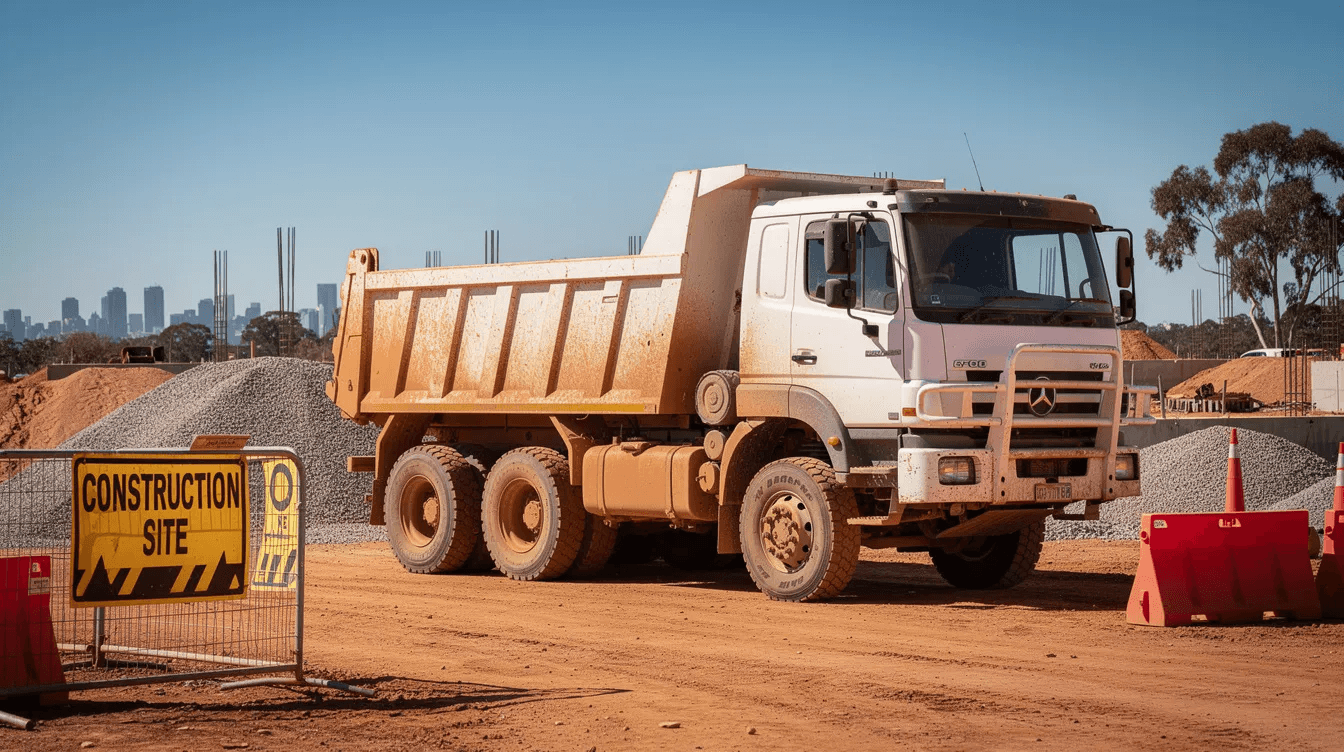
Common uses: work utes, trucks, earthmoving machinery, and workshop equipment.
You can include a balloon payment at the end to lower monthly instalments, though this increases the total interest cost over the life of the asset finance arrangement.
Repayments and interest are usually fixed, which helps budgeting and cash flow planning.
Interest payments and depreciation deductions may apply - but you should seek independent advice from your accountant to confirm specifics for your situation.
Finance Lease
A finance lease allows businesses to rent assets with monthly payments. The lender purchases the asset and leases it to your business for most of its useful life.
You make fixed monthly rentals and are responsible for insurance, registration, and maintenance.
End-of-term options typically include paying a residual value to take ownership, extending the lease term, or upgrading to new equipment via a fresh finance agreement.
Finance leases are common for business vehicles, equipment, and technology where regular replacement is expected.
Lease rentals may be tax deductible operating expenses, subject to ATO rules and advice from a tax professional.
Operating Lease
An operating lease is a shorter-term, rental-style agreement. Operating leases are ideal for businesses needing short-term use of an asset without the commitment of ownership.
Popular for vehicle fleets, IT equipment, and assets that become obsolete quickly. Contract hire is commonly used for leasing commercial vehicles under this structure.
An operating lease transfers maintenance responsibility to the finance provider - the lender often takes the residual risk and may bundle maintenance, registration, or tyre packages into the rental period.
At the end of the term, the asset is usually returned, with options to upgrade under a new lease.
Operating leases can keep new assets off the balance sheet (depending on accounting treatment) and suit businesses wanting flexibility rather than ownership.
Asset Refinance and Asset Based Lending
Asset refinance lets you use assets you already own - say a 2021 excavator or printing press - as security to release cash back into the business. For example, a Melbourne civil contractor could refinance three existing machines to free up funds for wages and fuel during a busy 2026 project season.
Asset based lending is a broader form of funding secured against a pool of business assets (plant, vehicles, or debtor book), often used for working capital. GEA Capital can set up asset refinance as a standalone facility or as part of a wider business finance strategy.
What Can Be Funded with Asset Finance?
A diverse range of business-critical assets can be financed. Common categories in Australia include:
Commercial vehicles (utes, trucks, vans)
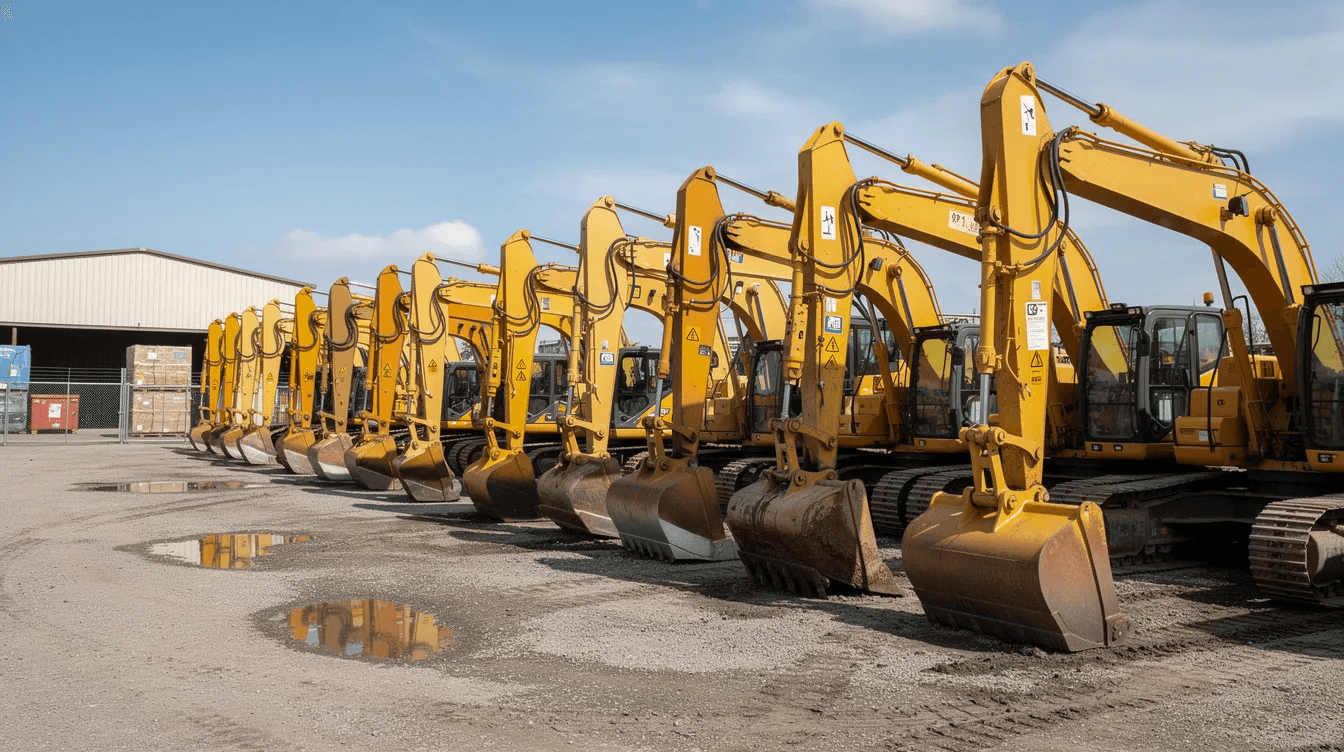
Yellow goods (excavators, loaders, graders)
Agricultural machinery
Manufacturing and processing equipment
Medical and dental equipment
Office and IT hardware
Renewable energy installations - green finance supports purchasing energy-efficient equipment such as solar panels and battery systems, making these sustainable assets a viable option for many businesses
Selected fit-outs (cafés, clinics, workshops)
Concrete examples: financing a refrigerated delivery truck for a Victorian food wholesaler; a laser cutter for a Brisbane metal fabrication shop; or a café fit-out in inner Melbourne to purchase equipment without tying up all available cash.
Lenders are more comfortable with assets that hold strong resale value, which directly affects interest rate and approval terms. If you're unsure whether a specific asset qualifies, contact GEA Capital with the asset description, supplier quote, and ABN for a quick answer.
Benefits of Asset Finance for Cash Flow and Growth
The key benefits of asset finance go well beyond simply spreading the cost of a purchase. Here's why it's often preferred over paying cash or using savings.
Cash flow protection. Businesses can spread asset costs over time - financing a $150,000 truck over five years instead of paying upfront keeps cash reserves available for wages, stock, and marketing. Asset finance helps businesses acquire equipment without risking cash reserves, and can free up capital for other business areas.
Earlier access to better gear. You can purchase new equipment or upgrade to the latest equipment sooner, which drives productivity. According to CommBank data, 87.6% of businesses reported productivity gains above 10% after upgrading vehicles or machinery via asset finance.
Budgeting certainty. Fixed terms in asset finance aid in financial planning. Regular repayments improve budgeting and cash flow management because you know exactly what's going out each month.
Tax advantages. Depending on the structure, interest payments on asset finance loans are tax deductible, and you may also benefit from depreciation deductions and GST credits. Small businesses with turnover under $10 million can claim the instant asset write-off for eligible assets under $20,000. Always confirm with your accountant.
Balance sheet advantages. Because the asset itself secures the loan, you may not need to put up other assets - like the family home - as collateral.
These other benefits make asset finance a strategic tool for long-term business growth, not just a cost effective way to buy gear.
Risks and Considerations When Using Asset Finance
While the benefits of asset finance are significant, there are risks and obligations to understand before signing any finance agreement.
Commitment length. Typical 3–7 year terms represent a medium-term obligation. Exiting early can involve break costs or associated fees, especially in lease structures with residuals.
Repossession risk. Defaulting on payments can lead to asset repossession, which may halt operations and damage your credit history.
Usage restrictions. Many leases include kilometre limits, maintenance requirements, and conditions on modifications. Businesses may incur penalties for exceeding usage limits, and liability for damage exists beyond agreed contract terms.
Total cost vs monthly payment trade-offs. Lower monthly payments via balloons or residuals reduce upfront costs but increase the total cost of interest over the life of the agreement.
Asset life mismatch. Financing a rapidly obsolete piece of technology over too long a fixed term can leave you paying for something you've outgrown.
Get advice. Always run realistic cash flow projections and seek independent legal and tax advice before entering any asset finance agreement.
Asset Finance vs Traditional Business Loans
Businesses often weigh asset finance against unsecured business loans or overdrafts when they need to purchase equipment. Here's how they compare:
Factor | Asset Finance | Traditional Business Loan |
|---|---|---|
Security | Asset itself is collateral | May require property or personal guarantee |
Purpose | Tied to a specific asset | General purpose - can borrow money for anything |
Interest rate | Often a lower interest rate due to asset security | May be higher (unsecured risk) |
Approval | Lender focuses on asset value + business risk | Heavier focus on financial performance |
Cash flow impact | Preserves existing overdrafts and working capital | May reduce available facilities |
Asset finance is typically the cost effective option when you need to purchase a specific piece of equipment or vehicle for business purposes. A standard business loan might be more appropriate for general expansion, marketing, hiring, or mixed uses where funds aren't linked to a single asset.
Choosing the Right Asset Finance Option for Your Business Needs
The "right" structure depends on your ownership goals, cash flow, tax position, and how long you intend to keep the asset. Ask yourself:
Do we want to own the asset long term, or regularly upgrade to new assets?
What is our monthly cash flow capacity for a monthly repayment?
What is the expected residual value at the end of the term?
Are we a sole trader, partnership, or company - and how does that affect our financing options?
As a general guide: if you want ownership, a hire purchase or chattel mortgage usually fits. If you prefer flexibility and upgrades, an operating lease or finance lease may be better. Compare deposit size, balloon amounts, fixed vs variable rates, and documentation requirements before deciding. Always check if lenders specialise in your required equipment type, assess lenders' reputation and customer service quality, and compare multiple lenders to find the best terms across a range of financial products.
Involve your accountant to align the structure with tax planning. GEA Capital can model multiple scenarios - for example, a 3-year lease vs a 5-year hire purchase with balloon - so you can see the impact on cash flow and total cost before committing.
How GEA Capital Helps Arrange Asset Finance
GEA Capital is a Melbourne-based, family-owned finance brokerage specialising in business and asset finance across Australia. Consider using a broker like GEA Capital to identify suitable lenders and secure the best available terms.
Here's what a typical engagement looks like:
Initial consultation - phone or video call to understand your business needs and the asset you want to fund.
Review - GEA Capital reviews your financials, supplier quotes, and matches you against their broad lender panel (including banks and specialist asset finance providers).
Application and approval - submissions are managed on your behalf, with support for clients who have complex or non-perfect credit profiles.
Settlement - once approved, the lender pays the supplier, you take delivery, and repayments begin.
Whether you're a sole trader in regional Victoria looking to finance a single work ute, or an SME rolling out a large sum worth of fleet vehicles and equipment packages, GEA Capital can tailor a solution. They also assist professional and service businesses with a diverse range of funding needs.
Ready to explore your options? Contact GEA Capital for personalised asset finance advice, a tailored quote, or a review of your existing facilities. The right structure can turn a major capital expense into manageable, planned payments that support sustainable growth.
How Does Asset Finance Work? A Practical Guide for Australian Businesses
If you're looking to acquire a truck, piece of machinery, or specialist equipment for your business, asset finance is one of the most common ways to do it without draining your bank account. This guide breaks down exactly how asset finance works in Australia, the structures available, and what to watch out for before you sign.
What Is Asset Finance?
Asset finance is a form of business finance that lets you acquire a specific asset - such as a vehicle, manufacturing equipment, or solar installation - without paying the full value upfront. Instead, a lender or finance company funds the purchase and takes security over the asset, while your business uses it day-to-day.
Here's how the basics work:
The asset being financed serves as collateral for the funding, meaning you don't typically need to offer property or other assets as security.
The finance provider owns the asset until it is fully paid off (in most structures), or takes a registered security interest.
Structured asset finance options can include loans, leasing, and purchase agreements, each with different ownership and tax outcomes.
You repay via fixed monthly payments over a set period. The term length for asset finance agreements typically ranges from 1 to 7 years, so long-term commitments often exceed one year.
Asset finance allows businesses to acquire assets without large upfront costs, keeping working capital available for other priorities.
In Australia, the most common structures are hire purchase, finance lease, operating lease, and chattel mortgage. Chattel mortgages allow the borrower to have immediate ownership of the asset being financed, which makes them popular with GST-registered businesses.
GEA Capital operates as a broker - not a direct lender - arranging asset finance facilities with a wide panel of lenders to find the right fit for each client's situation.
How Does Asset Finance Work Step by Step?
The asset finance application process follows a clear path, from identifying what you need through to taking delivery and making repayments. Here's what each stage looks like in practice.
Identify the business need and get a supplier quote. Whether it's a 2024 Isuzu tipper, a CNC machine for a fabrication shop, or solar panels for a Melbourne warehouse, you start with a detailed, itemised quote from your supplier. The more specific the quote, the smoother the process.
Choose the right finance structure. Work with a broker like GEA Capital to compare options - hire purchase vs finance lease vs operating lease - based on your tax position, cash flow capacity, and whether you want to own the asset outright at the end. It pays to engage with lenders early to streamline the application process.
Apply and provide documentation. The asset finance application process includes identifying the required asset and evaluating creditworthiness. Lenders typically need your ABN, business financial statements, bank statements, director identification, and details about the asset. Lenders typically evaluate credit risk, asset risk, and business risk during the asset finance process.
Credit decision and documentation. Standard deals in Australia are often approved within 24–72 hours. "Low doc" applications can sometimes be turned around same day. You'll sign the asset finance agreement and meet any conditions (insurance, registration).
Settlement and delivery. Once approved, the lender buys the asset by paying the supplier directly. Your business takes delivery, and repayments begin on an agreed date.
Repayments and end of term. Payments are typically fixed over the agreed term (e.g. 3 or 5 years), with fixed or variable interest. Some arrangements include a balloon or residual - a larger final payment that lowers your monthly repayment during the term but increases total cost. At the end of a finance agreement, options may include purchasing the asset or returning it, depending on the structure.
Types of Asset Finance Explained
Different asset finance structures suit different business needs and tax positions. The right asset finance product depends on whether you want ownership, flexibility, or the lowest monthly payments. Below is a breakdown of the key types of asset finance used in Australia.
Hire Purchase
Under a hire purchase agreement, the lender buys the asset and the business "hires" it with the intention to own it at the end of the term. Hire purchase allows ownership after completing all payments, usually via a small purchase fee.
Common uses: work utes, trucks, earthmoving machinery, and workshop equipment.
You can include a balloon payment at the end to lower monthly instalments, though this increases the total interest cost over the life of the asset finance arrangement.
Repayments and interest are usually fixed, which helps budgeting and cash flow planning.
Interest payments and depreciation deductions may apply - but you should seek independent advice from your accountant to confirm specifics for your situation.
Finance Lease
A finance lease allows businesses to rent assets with monthly payments. The lender purchases the asset and leases it to your business for most of its useful life.
You make fixed monthly rentals and are responsible for insurance, registration, and maintenance.
End-of-term options typically include paying a residual value to take ownership, extending the lease term, or upgrading to new equipment via a fresh finance agreement.
Finance leases are common for business vehicles, equipment, and technology where regular replacement is expected.
Lease rentals may be tax deductible operating expenses, subject to ATO rules and advice from a tax professional.
Operating Lease
An operating lease is a shorter-term, rental-style agreement. Operating leases are ideal for businesses needing short-term use of an asset without the commitment of ownership.
Popular for vehicle fleets, IT equipment, and assets that become obsolete quickly. Contract hire is commonly used for leasing commercial vehicles under this structure.
An operating lease transfers maintenance responsibility to the finance provider - the lender often takes the residual risk and may bundle maintenance, registration, or tyre packages into the rental period.
At the end of the term, the asset is usually returned, with options to upgrade under a new lease.
Operating leases can keep new assets off the balance sheet (depending on accounting treatment) and suit businesses wanting flexibility rather than ownership.
Asset Refinance and Asset Based Lending
Asset refinance lets you use assets you already own - say a 2021 excavator or printing press - as security to release cash back into the business. For example, a Melbourne civil contractor could refinance three existing machines to free up funds for wages and fuel during a busy 2026 project season.
Asset based lending is a broader form of funding secured against a pool of business assets (plant, vehicles, or debtor book), often used for working capital. GEA Capital can set up asset refinance as a standalone facility or as part of a wider business finance strategy.
What Can Be Funded with Asset Finance?
A diverse range of business-critical assets can be financed. Common categories in Australia include:
Commercial vehicles (utes, trucks, vans)
Yellow goods (excavators, loaders, graders)
Agricultural machinery
Manufacturing and processing equipment
Medical and dental equipment
Office and IT hardware
Renewable energy installations - green finance supports purchasing energy-efficient equipment such as solar panels and battery systems, making these sustainable assets a viable option for many businesses
Selected fit-outs (cafés, clinics, workshops)
Concrete examples: financing a refrigerated delivery truck for a Victorian food wholesaler; a laser cutter for a Brisbane metal fabrication shop; or a café fit-out in inner Melbourne to purchase equipment without tying up all available cash.
Lenders are more comfortable with assets that hold strong resale value, which directly affects interest rate and approval terms. If you're unsure whether a specific asset qualifies, contact GEA Capital with the asset description, supplier quote, and ABN for a quick answer.
Benefits of Asset Finance for Cash Flow and Growth
The key benefits of asset finance go well beyond simply spreading the cost of a purchase. Here's why it's often preferred over paying cash or using savings.
Cash flow protection. Businesses can spread asset costs over time - financing a $150,000 truck over five years instead of paying upfront keeps cash reserves available for wages, stock, and marketing. Asset finance helps businesses acquire equipment without risking cash reserves, and can free up capital for other business areas.
Earlier access to better gear. You can purchase new equipment or upgrade to the latest equipment sooner, which drives productivity. According to CommBank data, 87.6% of businesses reported productivity gains above 10% after upgrading vehicles or machinery via asset finance.
Budgeting certainty. Fixed terms in asset finance aid in financial planning. Regular repayments improve budgeting and cash flow management because you know exactly what's going out each month.
Tax advantages. Depending on the structure, interest payments on asset finance loans are tax deductible, and you may also benefit from depreciation deductions and GST credits. Small businesses with turnover under $10 million can claim the instant asset write-off for eligible assets under $20,000. Always confirm with your accountant.
Balance sheet advantages. Because the asset itself secures the loan, you may not need to put up other assets - like the family home - as collateral.
These other benefits make asset finance a strategic tool for long-term business growth, not just a cost effective way to buy gear.
Risks and Considerations When Using Asset Finance
While the benefits of asset finance are significant, there are risks and obligations to understand before signing any finance agreement.
Commitment length. Typical 3–7 year terms represent a medium-term obligation. Exiting early can involve break costs or associated fees, especially in lease structures with residuals.
Repossession risk. Defaulting on payments can lead to asset repossession, which may halt operations and damage your credit history.
Usage restrictions. Many leases include kilometre limits, maintenance requirements, and conditions on modifications. Businesses may incur penalties for exceeding usage limits, and liability for damage exists beyond agreed contract terms.
Total cost vs monthly payment trade-offs. Lower monthly payments via balloons or residuals reduce upfront costs but increase the total cost of interest over the life of the agreement.
Asset life mismatch. Financing a rapidly obsolete piece of technology over too long a fixed term can leave you paying for something you've outgrown.
Get advice. Always run realistic cash flow projections and seek independent legal and tax advice before entering any asset finance agreement.
Asset Finance vs Traditional Business Loans
Businesses often weigh asset finance against unsecured business loans or overdrafts when they need to purchase equipment. Here's how they compare:
Factor | Asset Finance | Traditional Business Loan |
|---|---|---|
Security | Asset itself is collateral | May require property or personal guarantee |
Purpose | Tied to a specific asset | General purpose - can borrow money for anything |
Interest rate | Often a lower interest rate due to asset security | May be higher (unsecured risk) |
Approval | Lender focuses on asset value + business risk | Heavier focus on financial performance |
Cash flow impact | Preserves existing overdrafts and working capital | May reduce available facilities |
Asset finance is typically the cost effective option when you need to purchase a specific piece of equipment or vehicle for business purposes. A standard business loan might be more appropriate for general expansion, marketing, hiring, or mixed uses where funds aren't linked to a single asset.
Choosing the Right Asset Finance Option for Your Business Needs
The "right" structure depends on your ownership goals, cash flow, tax position, and how long you intend to keep the asset. Ask yourself:
Do we want to own the asset long term, or regularly upgrade to new assets?
What is our monthly cash flow capacity for a monthly repayment?
What is the expected residual value at the end of the term?
Are we a sole trader, partnership, or company - and how does that affect our financing options?
As a general guide: if you want ownership, a hire purchase or chattel mortgage usually fits. If you prefer flexibility and upgrades, an operating lease or finance lease may be better. Compare deposit size, balloon amounts, fixed vs variable rates, and documentation requirements before deciding. Always check if lenders specialise in your required equipment type, assess lenders' reputation and customer service quality, and compare multiple lenders to find the best terms across a range of financial products.
Involve your accountant to align the structure with tax planning. GEA Capital can model multiple scenarios - for example, a 3-year lease vs a 5-year hire purchase with balloon - so you can see the impact on cash flow and total cost before committing.
How GEA Capital Helps Arrange Asset Finance
GEA Capital is a Melbourne-based, family-owned finance brokerage specialising in business and asset finance across Australia. Consider using a broker like GEA Capital to identify suitable lenders and secure the best available terms.
Here's what a typical engagement looks like:
Initial consultation - phone or video call to understand your business needs and the asset you want to fund.
Review - GEA Capital reviews your financials, supplier quotes, and matches you against their broad lender panel (including banks and specialist asset finance providers).
Application and approval - submissions are managed on your behalf, with support for clients who have complex or non-perfect credit profiles.
Settlement - once approved, the lender pays the supplier, you take delivery, and repayments begin.
Whether you're a sole trader in regional Victoria looking to finance a single work ute, or an SME rolling out a large sum worth of fleet vehicles and equipment packages, GEA Capital can tailor a solution. They also assist professional and service businesses with a diverse range of funding needs.
Ready to explore your options? Contact GEA Capital for personalised asset finance advice, a tailored quote, or a review of your existing facilities. The right structure can turn a major capital expense into manageable, planned payments that support sustainable growth.
Our Solutions
Gabriel Anagnostakis is an authorised credit representative (No. 562173) of Viking Asset Aggregation Pty Ltd, trading as GEA Capital (The Trustee for GEA Family Trust, ABN: 76 533 017 761). Australian Credit licence Number 543046 and is authorised to provide credit related activities.

Our Solutions
Gabriel Anagnostakis is an authorised credit representative (No. 562173) of Viking Asset Aggregation Pty Ltd, trading as GEA Capital (The Trustee for GEA Family Trust, ABN: 76 533 017 761). Australian Credit licence Number 543046 and is authorised to provide credit related activities.
Our Solutions
Gabriel Anagnostakis is an authorised credit representative (No. 562173) of Viking Asset Aggregation Pty Ltd, trading as GEA Capital (The Trustee for GEA Family Trust, ABN: 76 533 017 761). Australian Credit licence Number 543046 and is authorised to provide credit related activities.
Our Solutions
Gabriel Anagnostakis is an authorised credit representative (No. 562173) of Viking Asset Aggregation Pty Ltd, trading as GEA Capital (The Trustee for GEA Family Trust, ABN: 76 533 017 761). Australian Credit licence Number 543046 and is authorised to provide credit related activities.