How to Fund a Ute in Australia (GEA Capital Guide)

How to Fund a Ute in Australia (GEA Capital Guide)
Introduction: Your Options to Fund a Ute in 2025–2026
Utes are the most financed tradie vehicles in Australia, and for good reason. Whether you're a sole trader, a small business owner, or a contractor running a crew, a ute is often the backbone of daily operations - carrying tools, towing trailers, and getting you between job sites.
When people ask how to fund a ute, the answer isn't one-size-fits-all. In Australia, financing options include cash payments, secured loans, unsecured loans, and business loans, and the path you choose directly affects your tax position, cash flow, and long-term total cost. Businesses can finance new or used utes through various loan structures, and financing a ute can provide tax deductions for eligible businesses. GST can also be claimed on the purchase price of a financed ute when the right structure is in place.
This guide walks through the practical steps to finance a ute quickly and safely in 2025–2026, covering everything from business ute financing structures and balloon payments to what lenders actually look for. We'll reference current ATO guidance, typical lender settings for commercial vehicles and work vehicles, and explain where GEA Capital fits in as a Melbourne-based finance broker.
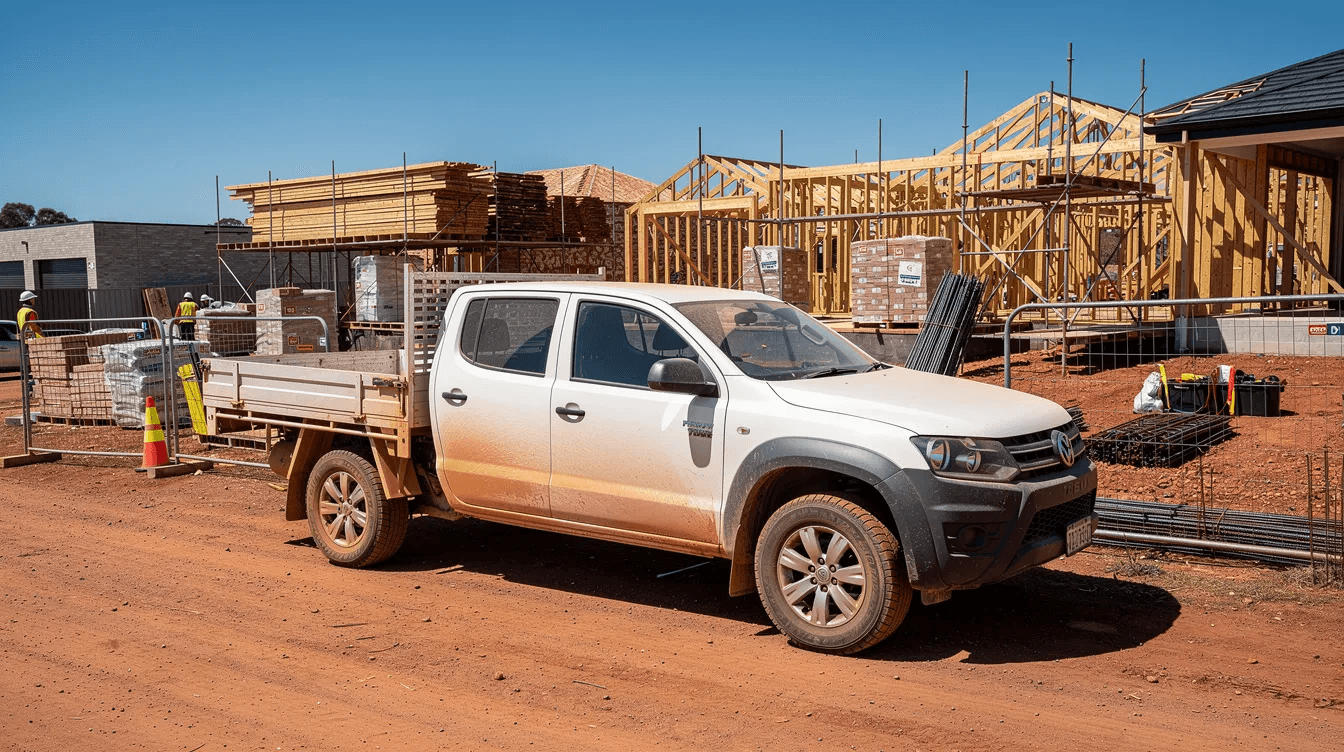
Step 1: Decide How You'll Use the Ute (Work vs Private)
Your funding options depend heavily on whether the ute is a work vehicle, mixed-use, or mostly private. Lenders typically require a clear business purpose for the vehicle before they'll approve business vehicle finance products, and the ATO's tax treatment depends on the vehicle's business use and finance structure.
For lenders and the ATO, a work ute is one primarily used for income-producing activity - think carrying tools to sites, towing equipment, or visiting clients. Expenses related to a financed ute may be tax-deductible when genuine business use applies.
Here are the common scenarios:
A sole trader carpenter in Melbourne using a dual cab HiLux 80–90% for work, with minimal private use. This opens the door to tradie finance products, chattel mortgages, and strong tax benefits.
A landscaping business buying a single cab tray back used exclusively for commercial purposes. Straightforward business use, clean deductions.
A mixed-use scenario - say 60% work, 40% family - which is common for dual cab utes. Still financeable, but the split matters for tax, so discuss it with your accountant and keep a logbook.
Someone buying a ute privately, mainly for lifestyle and holidays. This leans towards a consumer car loan with limited deductions.
The higher the proportion of business use, the more finance options and tax benefits open up.
Funding a Ute Through Your Business vs Privately
Choosing whether to fund a ute through your business structure or buy it in your personal name is one of the first decisions you'll face. If the ute is mainly for business purposes - plumbing, deliveries, landscaping, site visits - purchasing through your company, trust, partnership, or sole trader ABN usually makes more financial sense. If it's mostly personal, keeping it in your own name avoids unnecessary complexity.
Here's how they compare:
Funding via business: potential tax deductions on interest and depreciation, GST credits on the purchase price if registered, and access to structured products like chattel mortgages and business loans. Many businesses find this the most cost-effective path for a true work ute.
Owning the ute privately: simpler personal use, no fringe benefits tax worries, and easier if you change jobs or shut down the business. You can still claim some work-related expenses as an employee or self employed individual.
Loan type impacts interest rates. Secured loans generally have lower rates than unsecured loans because the vehicle itself serves as collateral. Unsecured personal loans do not require the vehicle as collateral but carry higher interest rates.
Secured car loans typically range from $5,000 to $200,000. Unsecured personal loans can also range from $5,000 to $200,000, though at a premium.
Lenders will assess the financial position of the business and often the directors or owners personally. Personal guarantees are common for companies and trusts.
Get written advice from an accountant before deciding whose name goes on the contract. This one step can save thousands over the loan term.
Types of Utes and How They Affect Finance
The ute you pick - single cab, extra cab, dual cab, 4x4 vs 4x2, new vs used - changes how lenders treat your application and what vehicle finance terms you'll be offered.
Single cab tray backs and cab-chassis models are often seen as clearer work vehicles by lenders. This can help with low doc loan or ABN-only approvals because the vehicle type signals genuine commercial use.
Dual cab utes are the most popular choice for tradies with families who need a vehicle that doubles as a work ute and weekend transport. Higher private use can influence tax treatment, but dual cab utes are still very commonly financed for business.
Lenders look closely at vehicle details: year, kilometres, condition, aftermarket accessories, and whether you're buying from a dealer, auction, or private seller.
Popular models in 2025 include the Toyota HiLux (starting around $54,000), Ford Ranger (from approximately $53,000), Isuzu D-MAX (from around $52,000), Mitsubishi Triton (from around $47,000), and the Mazda BT-50. There's also growing interest in Chinese brands like GWM and LDV, which offer a lower purchase price but currently lag in resale value.
New vehicles typically attract sharper rates and longer terms. Used vehicle finance depends on age, condition, and kilometres - lenders prefer newer vehicles for better financing options. Depreciation of utes is often slower than standard passenger vehicles, especially for business usage, which works in your favour for residual calculations.
An Isuzu ute or HiLux with strong resale value will often qualify for more favourable terms than a heavily modified or high-kilometre vehicle from a less established brand.
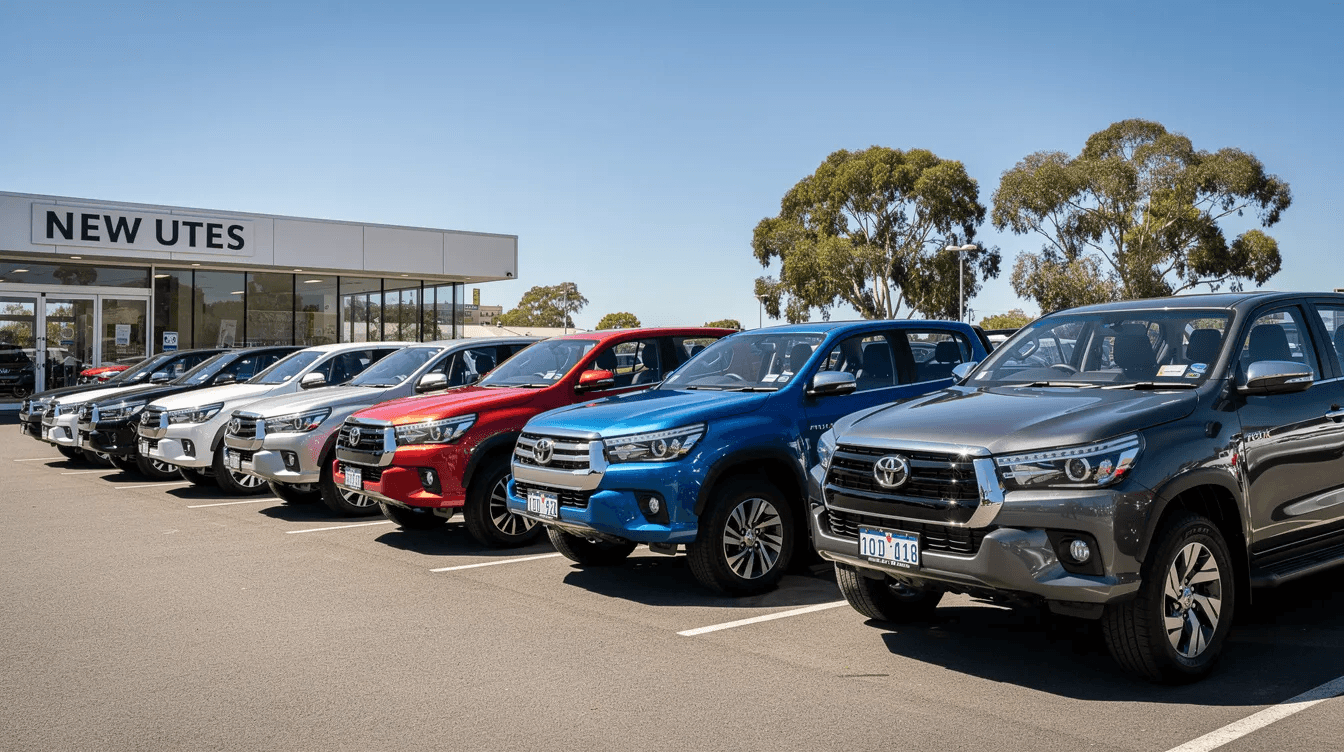
Core Ute Financing Options in Australia
Most funded utes in Australia are structured as secured loans or leases against just the vehicle, not unsecured business loans. Interest rates for vehicle financing generally start around 5.6% to 11.5% per annum, depending on the structure, the applicant's profile, and the vehicle. Green car loans may offer discounts for purchasing hybrid or electric utility vehicles.
Here are the main structures and who they suit:
Chattel mortgage: very common for GST-registered businesses and sole traders using the ute mainly for work. Chattel mortgages are common for financing work utes because a chattel mortgage can offer tax benefits for financed vehicles.
Commercial hire purchase: similar to a chattel mortgage but ownership transfers after all payments are made. Less commonly used today but still available through some lenders.
Finance lease: the lender purchases the vehicle and leases it to you. Useful for service businesses wanting even cash flow without upfront ownership.
Secured car loan: best for personal use. The purchased vehicle serves as collateral, lowering the interest rate compared to unsecured options.
General business loan: used to fund multiple commercial vehicles or combine a ute purchase with tools and fit-out costs. Flexible but potentially less tax-efficient than asset-specific products.
Novated leases involve an agreement between employee, employer, and financier for salary sacrifice payments. Strong for employees but payload rules can disqualify heavier utes.
Each structure has different GST and tax outcomes, so the choice should always be checked with your accountant. GEA Capital can compare these structures from multiple lenders - rather than pushing one product the way a dealer might.
Business Ute Finance Structures Explained
For Australian businesses funding a work vehicle, three structures dominate: chattel mortgage, finance lease, and commercial hire purchase. Here's how each works at a practical level.
Chattel mortgage: your ABN entity owns the ute from day one while the lender takes a security interest. Chattel mortgages allow businesses to own vehicles from the start, claim the GST input credit upfront, and deduct interest plus depreciation over a fixed term (commonly 3–5 years). A balloon payment can be included to lower monthly repayments. Eligible businesses can also access the instant asset write off for assets under $20,000 (2025–2026 rules, subject to confirmation).
Finance lease: the lender owns the vehicle and leases it to your business. Finance leases let businesses use vehicles without ownership until the end, and lease payments are generally fully deductible. At term end, you can buy the ute at the residual, extend the lease, or return it.
Commercial hire purchase: commercial hire purchase transfers ownership after all payments are made. It functions similarly to a chattel mortgage in tax treatment but is structured more like a lease during the term. Less common now but still offered by certain banks.
Some clients intentionally choose a standard secured business loan rather than an asset-specific product when they want to fund a ute plus other equipment or tools together.
The right choice depends on your GST status, financial position, and professional advice from your accountant or tax adviser. Tax treatment depends on the vehicle's business use and finance structure.
Understanding Balloon Payments and Repayments
A balloon payment is a lump sum left owing at the end of your ute finance term. It lowers your regular fixed repayments during the loan but means you need a plan for the larger final amount.
Why do many businesses and sole traders choose balloon payments? Because lower monthly repayments free up cash flow during the early years when a business operates on tighter margins. Balloon payments can lower monthly costs by deferring that lump sum to the end.
Here's a rough example. Say you're funding a $60,000 dual cab ute over 5 years at a competitive interest rate:
Without a balloon: your weekly repayment is higher, but you own the ute outright at term end with less interest paid overall.
With a 30% balloon ($18,000): your finance repayments drop noticeably - potentially 25–35% lower - but you'll owe that $18,000 at the end, and total interest paid across the loan term will be higher.
Loan terms for utes generally range from 1 to 7 years. Lenders often finance up to 100% of new ute purchase prices, while used vehicles are usually capped at 80–90% of their value.
Common end-of-term options:
Pay the balloon from savings or business reserves.
Trade in the ute, using the trade-in value to cover or offset the balloon.
Refinance the balloon into a new loan term.
Sell the ute privately and use the proceeds.
A finance offer's total cost should be compared rather than just the monthly repayment. Avoid over-stretching with a balloon payment that exceeds the ute's expected resale value in 4–5 years - that gap can be painful.
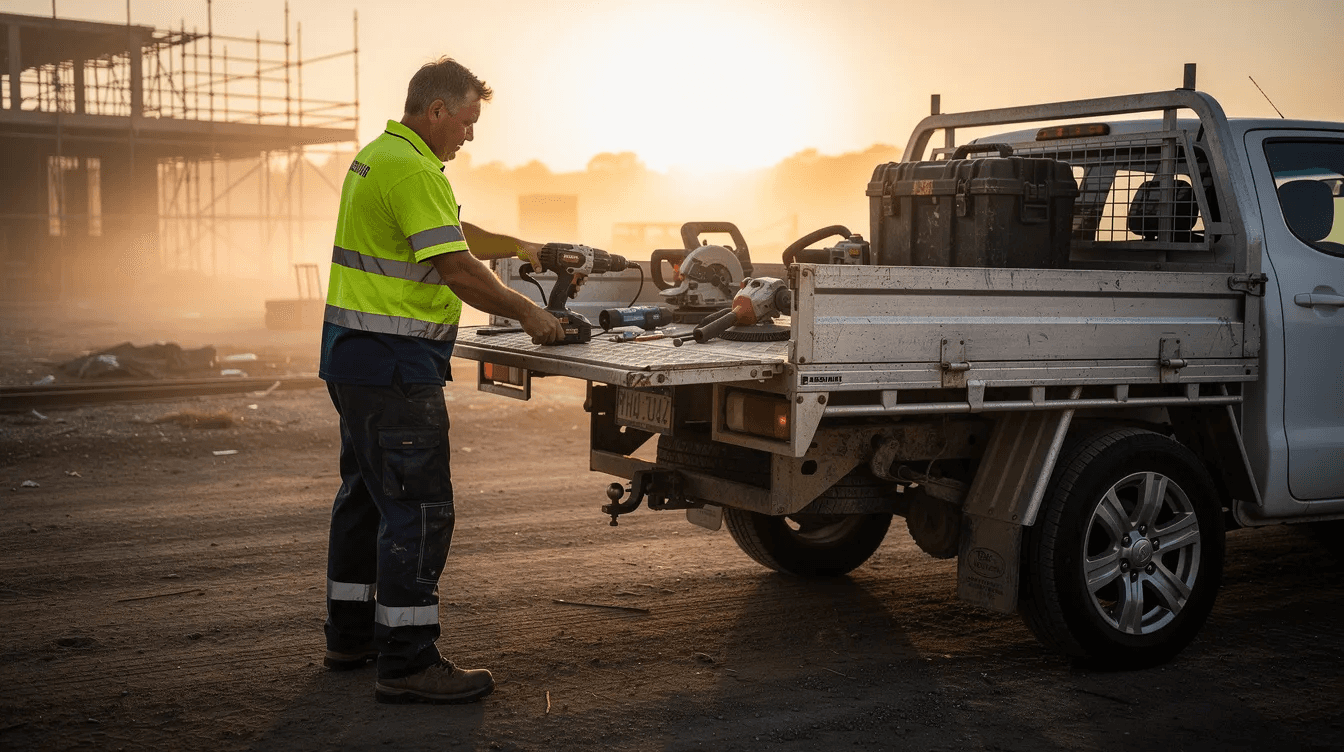
Qualifying for Ute Finance: What Lenders Look At
Loan approval isn't just about the ute. Lenders assess both the applicant and the vehicle before offering terms. Here's what they review when securing ute finance:
Business trading history: ABN age, start date, contracts on hand. Established businesses with 2–3 years of clean financials often qualify for faster approvals and a competitive rate.
Business income and expenses: BAS lodgements, tax returns, and bank statements showing consistent revenue. Minimum income requirements for financing a ute can be as low as $20,000 in some lender criteria.
Credit history: both personal and business. Defaults, repossessions, or court actions will affect terms. If you have credit challenges, specialist lenders may still consider your application.
Existing loans: credit cards, other vehicle finance, and business debts. Lenders factor total debt servicing into their assessment of your business profile.
Vehicle details: year, purchase price, odometer, whether bought from a dealer or private seller, and any aftermarket accessories or safety features.
Deposit or trade-in: more "skin in the game" reduces lender risk. A deposit is especially helpful when your business is new or trading history is limited.
For a sole trader, the business and personal circumstances are effectively the same for assessment purposes - lenders will look at personal income, ATO debts, and bank statements together. Low-doc loans are tailored for those with limited financial documentation due to business operations, which suits many self employed tradies.
GEA Capital can help position your application with the right lender - especially if you have a new ABN or imperfect credit.
Special Cases: New Businesses, Sole Traders, and Utes Bought Privately
Not everyone applying for ute finance fits neatly into a standard profile. Here's how non-standard situations work:
New businesses can still get ute financing. Lenders will focus on your personal financial position, prior industry experience, contracts or tenders, and may require a deposit or guarantor. Many businesses in their first year successfully fund a ute through brokers who know which lenders are flexible on trading history.
Sole trader ute finance works by assessing ABN age, personal income, ATO compliance, and bank statements. Business loans and vehicle finance are still possible even without a company - sole traders are among the most common applicants for ute finance in Australia.
Financing a ute purchased from a private seller (e.g. Facebook Marketplace or Gumtree) involves more paperwork. You'll need clear vehicle details, a pre-purchase inspection, and proof of the agreed purchase price. Lender requirements may be stricter, but it's still often fundable.
It is recommended to check the Personal Property Securities Register (PPSR) before purchasing a used vehicle. This confirms there are no existing debts, encumbrances, write-offs, or stolen status on the ute before settlement.
A broker like GEA Capital is particularly useful in these non-standard situations because mainstream bank policies can be rigid. A broker can match your personal circumstances with lenders who specialise in new ABN or startup finance.
Planning Cash Flow: Running Costs Beyond the Loan
Funding a ute is more than just the weekly repayment. The total cost of ownership includes insurance, registration, fuel, and servicing costs - and these add up fast. According to RACQ vehicle running cost data, the all-in monthly cost for a 4x4 dual cab ute in 2025 can exceed $1,500–$2,000 once you factor in finance repayments, fuel, tyres, insurance, and rego.
Budget for:
Fuel: diesel utes cost more per litre but offer better fuel efficiency under heavy load or towing. Estimate your expected weekly usage based on how your business operates.
Insurance: commercial cover is typically more expensive than private, but essential for a financed ute used for business.
Registration and CTP: varies by state, but it's a fixed annual cost that shouldn't be forgotten.
Servicing and tyres: especially relevant for 4x4 dual cab utes used off-road or for towing. Utes cost more to service than a standard sedan.
Unexpected repairs and accessories: bull bars, toolboxes, canopies - these are business assets in their own right but add to upfront costs and ongoing maintenance.
Match your loan term to the ute's expected working life and warranty period so you're not making finance repayments long after major repairs start. Where cash flow is lumpy - common for project-based tradies - pairing ute financing with a separate cash flow or business loan facility can smooth out slow months.
Using a Finance Broker Like GEA Capital to Fund Your Ute
A finance broker compares multiple lenders, structures the loan to suit your situation, and manages the paperwork - saving you the legwork of approaching banks and lenders individually. GEA Capital is a family-owned Melbourne brokerage supporting transport and fleet operators, tradies, and small businesses Australia-wide with business loans, tradie finance, and vehicle finance for utes and other commercial vehicles.
Advantages of using GEA Capital over going directly to a dealer or single bank:
Access to a panel of lenders, including those comfortable with tradies, new ABNs, and truck finance for larger commercial vehicles.
Ability to compare interest rates, fees, and balloon payments across finance options so you find a competitive rate - not just the first offer on the table.
Tailored structures for different entities (company, trust, sole trader) and varying financial positions.
Help with low doc loan or fast-turnaround approvals when timing matters.
GEA Capital can assist whether the ute is new or used, bought from a dealer, auction, or privately, and whether you want to finance accessories and fit-out as part of the ute purchase. The simplest next step: gather your basic business and vehicle details, then get in touch for a conversation or pre-approval before visiting dealerships.
Key Takeaways and Next Steps
Funding a ute comes down to three decisions: how you'll use it (work vs private), how you structure the finance (chattel mortgage, finance lease, or business loan with or without a balloon payment), and how realistic your budget is once running costs are included. Utes are the most financed vehicle type for tradies in 2025, and business ute financing is often ideal for sole traders and small businesses where the ute is a true depreciating asset earning you income.
Before you lock anything in:
Get tax advice before choosing a structure - the difference in total interest and deductions can be significant.
Check real total costs, not just advertised weekly repayments.
Choose finance terms matched to the ute's expected working life and your vehicle type.
How to Fund a Ute in Australia (GEA Capital Guide)
Introduction: Your Options to Fund a Ute in 2025–2026
Utes are the most financed tradie vehicles in Australia, and for good reason. Whether you're a sole trader, a small business owner, or a contractor running a crew, a ute is often the backbone of daily operations - carrying tools, towing trailers, and getting you between job sites.
When people ask how to fund a ute, the answer isn't one-size-fits-all. In Australia, financing options include cash payments, secured loans, unsecured loans, and business loans, and the path you choose directly affects your tax position, cash flow, and long-term total cost. Businesses can finance new or used utes through various loan structures, and financing a ute can provide tax deductions for eligible businesses. GST can also be claimed on the purchase price of a financed ute when the right structure is in place.
This guide walks through the practical steps to finance a ute quickly and safely in 2025–2026, covering everything from business ute financing structures and balloon payments to what lenders actually look for. We'll reference current ATO guidance, typical lender settings for commercial vehicles and work vehicles, and explain where GEA Capital fits in as a Melbourne-based finance broker.
Step 1: Decide How You'll Use the Ute (Work vs Private)
Your funding options depend heavily on whether the ute is a work vehicle, mixed-use, or mostly private. Lenders typically require a clear business purpose for the vehicle before they'll approve business vehicle finance products, and the ATO's tax treatment depends on the vehicle's business use and finance structure.
For lenders and the ATO, a work ute is one primarily used for income-producing activity - think carrying tools to sites, towing equipment, or visiting clients. Expenses related to a financed ute may be tax-deductible when genuine business use applies.
Here are the common scenarios:
A sole trader carpenter in Melbourne using a dual cab HiLux 80–90% for work, with minimal private use. This opens the door to tradie finance products, chattel mortgages, and strong tax benefits.
A landscaping business buying a single cab tray back used exclusively for commercial purposes. Straightforward business use, clean deductions.
A mixed-use scenario - say 60% work, 40% family - which is common for dual cab utes. Still financeable, but the split matters for tax, so discuss it with your accountant and keep a logbook.
Someone buying a ute privately, mainly for lifestyle and holidays. This leans towards a consumer car loan with limited deductions.
The higher the proportion of business use, the more finance options and tax benefits open up.
Funding a Ute Through Your Business vs Privately
Choosing whether to fund a ute through your business structure or buy it in your personal name is one of the first decisions you'll face. If the ute is mainly for business purposes - plumbing, deliveries, landscaping, site visits - purchasing through your company, trust, partnership, or sole trader ABN usually makes more financial sense. If it's mostly personal, keeping it in your own name avoids unnecessary complexity.
Here's how they compare:
Funding via business: potential tax deductions on interest and depreciation, GST credits on the purchase price if registered, and access to structured products like chattel mortgages and business loans. Many businesses find this the most cost-effective path for a true work ute.
Owning the ute privately: simpler personal use, no fringe benefits tax worries, and easier if you change jobs or shut down the business. You can still claim some work-related expenses as an employee or self employed individual.
Loan type impacts interest rates. Secured loans generally have lower rates than unsecured loans because the vehicle itself serves as collateral. Unsecured personal loans do not require the vehicle as collateral but carry higher interest rates.
Secured car loans typically range from $5,000 to $200,000. Unsecured personal loans can also range from $5,000 to $200,000, though at a premium.
Lenders will assess the financial position of the business and often the directors or owners personally. Personal guarantees are common for companies and trusts.
Get written advice from an accountant before deciding whose name goes on the contract. This one step can save thousands over the loan term.
Types of Utes and How They Affect Finance
The ute you pick - single cab, extra cab, dual cab, 4x4 vs 4x2, new vs used - changes how lenders treat your application and what vehicle finance terms you'll be offered.
Single cab tray backs and cab-chassis models are often seen as clearer work vehicles by lenders. This can help with low doc loan or ABN-only approvals because the vehicle type signals genuine commercial use.
Dual cab utes are the most popular choice for tradies with families who need a vehicle that doubles as a work ute and weekend transport. Higher private use can influence tax treatment, but dual cab utes are still very commonly financed for business.
Lenders look closely at vehicle details: year, kilometres, condition, aftermarket accessories, and whether you're buying from a dealer, auction, or private seller.
Popular models in 2025 include the Toyota HiLux (starting around $54,000), Ford Ranger (from approximately $53,000), Isuzu D-MAX (from around $52,000), Mitsubishi Triton (from around $47,000), and the Mazda BT-50. There's also growing interest in Chinese brands like GWM and LDV, which offer a lower purchase price but currently lag in resale value.
New vehicles typically attract sharper rates and longer terms. Used vehicle finance depends on age, condition, and kilometres - lenders prefer newer vehicles for better financing options. Depreciation of utes is often slower than standard passenger vehicles, especially for business usage, which works in your favour for residual calculations.
An Isuzu ute or HiLux with strong resale value will often qualify for more favourable terms than a heavily modified or high-kilometre vehicle from a less established brand.
Core Ute Financing Options in Australia
Most funded utes in Australia are structured as secured loans or leases against just the vehicle, not unsecured business loans. Interest rates for vehicle financing generally start around 5.6% to 11.5% per annum, depending on the structure, the applicant's profile, and the vehicle. Green car loans may offer discounts for purchasing hybrid or electric utility vehicles.
Here are the main structures and who they suit:
Chattel mortgage: very common for GST-registered businesses and sole traders using the ute mainly for work. Chattel mortgages are common for financing work utes because a chattel mortgage can offer tax benefits for financed vehicles.
Commercial hire purchase: similar to a chattel mortgage but ownership transfers after all payments are made. Less commonly used today but still available through some lenders.
Finance lease: the lender purchases the vehicle and leases it to you. Useful for service businesses wanting even cash flow without upfront ownership.
Secured car loan: best for personal use. The purchased vehicle serves as collateral, lowering the interest rate compared to unsecured options.
General business loan: used to fund multiple commercial vehicles or combine a ute purchase with tools and fit-out costs. Flexible but potentially less tax-efficient than asset-specific products.
Novated leases involve an agreement between employee, employer, and financier for salary sacrifice payments. Strong for employees but payload rules can disqualify heavier utes.
Each structure has different GST and tax outcomes, so the choice should always be checked with your accountant. GEA Capital can compare these structures from multiple lenders - rather than pushing one product the way a dealer might.
Business Ute Finance Structures Explained
For Australian businesses funding a work vehicle, three structures dominate: chattel mortgage, finance lease, and commercial hire purchase. Here's how each works at a practical level.
Chattel mortgage: your ABN entity owns the ute from day one while the lender takes a security interest. Chattel mortgages allow businesses to own vehicles from the start, claim the GST input credit upfront, and deduct interest plus depreciation over a fixed term (commonly 3–5 years). A balloon payment can be included to lower monthly repayments. Eligible businesses can also access the instant asset write off for assets under $20,000 (2025–2026 rules, subject to confirmation).
Finance lease: the lender owns the vehicle and leases it to your business. Finance leases let businesses use vehicles without ownership until the end, and lease payments are generally fully deductible. At term end, you can buy the ute at the residual, extend the lease, or return it.
Commercial hire purchase: commercial hire purchase transfers ownership after all payments are made. It functions similarly to a chattel mortgage in tax treatment but is structured more like a lease during the term. Less common now but still offered by certain banks.
Some clients intentionally choose a standard secured business loan rather than an asset-specific product when they want to fund a ute plus other equipment or tools together.
The right choice depends on your GST status, financial position, and professional advice from your accountant or tax adviser. Tax treatment depends on the vehicle's business use and finance structure.
Understanding Balloon Payments and Repayments
A balloon payment is a lump sum left owing at the end of your ute finance term. It lowers your regular fixed repayments during the loan but means you need a plan for the larger final amount.
Why do many businesses and sole traders choose balloon payments? Because lower monthly repayments free up cash flow during the early years when a business operates on tighter margins. Balloon payments can lower monthly costs by deferring that lump sum to the end.
Here's a rough example. Say you're funding a $60,000 dual cab ute over 5 years at a competitive interest rate:
Without a balloon: your weekly repayment is higher, but you own the ute outright at term end with less interest paid overall.
With a 30% balloon ($18,000): your finance repayments drop noticeably - potentially 25–35% lower - but you'll owe that $18,000 at the end, and total interest paid across the loan term will be higher.
Loan terms for utes generally range from 1 to 7 years. Lenders often finance up to 100% of new ute purchase prices, while used vehicles are usually capped at 80–90% of their value.
Common end-of-term options:
Pay the balloon from savings or business reserves.
Trade in the ute, using the trade-in value to cover or offset the balloon.
Refinance the balloon into a new loan term.
Sell the ute privately and use the proceeds.
A finance offer's total cost should be compared rather than just the monthly repayment. Avoid over-stretching with a balloon payment that exceeds the ute's expected resale value in 4–5 years - that gap can be painful.
Qualifying for Ute Finance: What Lenders Look At
Loan approval isn't just about the ute. Lenders assess both the applicant and the vehicle before offering terms. Here's what they review when securing ute finance:
Business trading history: ABN age, start date, contracts on hand. Established businesses with 2–3 years of clean financials often qualify for faster approvals and a competitive rate.
Business income and expenses: BAS lodgements, tax returns, and bank statements showing consistent revenue. Minimum income requirements for financing a ute can be as low as $20,000 in some lender criteria.
Credit history: both personal and business. Defaults, repossessions, or court actions will affect terms. If you have credit challenges, specialist lenders may still consider your application.
Existing loans: credit cards, other vehicle finance, and business debts. Lenders factor total debt servicing into their assessment of your business profile.
Vehicle details: year, purchase price, odometer, whether bought from a dealer or private seller, and any aftermarket accessories or safety features.
Deposit or trade-in: more "skin in the game" reduces lender risk. A deposit is especially helpful when your business is new or trading history is limited.
For a sole trader, the business and personal circumstances are effectively the same for assessment purposes - lenders will look at personal income, ATO debts, and bank statements together. Low-doc loans are tailored for those with limited financial documentation due to business operations, which suits many self employed tradies.
GEA Capital can help position your application with the right lender - especially if you have a new ABN or imperfect credit.
Special Cases: New Businesses, Sole Traders, and Utes Bought Privately
Not everyone applying for ute finance fits neatly into a standard profile. Here's how non-standard situations work:
New businesses can still get ute financing. Lenders will focus on your personal financial position, prior industry experience, contracts or tenders, and may require a deposit or guarantor. Many businesses in their first year successfully fund a ute through brokers who know which lenders are flexible on trading history.
Sole trader ute finance works by assessing ABN age, personal income, ATO compliance, and bank statements. Business loans and vehicle finance are still possible even without a company - sole traders are among the most common applicants for ute finance in Australia.
Financing a ute purchased from a private seller (e.g. Facebook Marketplace or Gumtree) involves more paperwork. You'll need clear vehicle details, a pre-purchase inspection, and proof of the agreed purchase price. Lender requirements may be stricter, but it's still often fundable.
It is recommended to check the Personal Property Securities Register (PPSR) before purchasing a used vehicle. This confirms there are no existing debts, encumbrances, write-offs, or stolen status on the ute before settlement.
A broker like GEA Capital is particularly useful in these non-standard situations because mainstream bank policies can be rigid. A broker can match your personal circumstances with lenders who specialise in new ABN or startup finance.
Planning Cash Flow: Running Costs Beyond the Loan
Funding a ute is more than just the weekly repayment. The total cost of ownership includes insurance, registration, fuel, and servicing costs - and these add up fast. According to RACQ vehicle running cost data, the all-in monthly cost for a 4x4 dual cab ute in 2025 can exceed $1,500–$2,000 once you factor in finance repayments, fuel, tyres, insurance, and rego.
Budget for:
Fuel: diesel utes cost more per litre but offer better fuel efficiency under heavy load or towing. Estimate your expected weekly usage based on how your business operates.
Insurance: commercial cover is typically more expensive than private, but essential for a financed ute used for business.
Registration and CTP: varies by state, but it's a fixed annual cost that shouldn't be forgotten.
Servicing and tyres: especially relevant for 4x4 dual cab utes used off-road or for towing. Utes cost more to service than a standard sedan.
Unexpected repairs and accessories: bull bars, toolboxes, canopies - these are business assets in their own right but add to upfront costs and ongoing maintenance.
Match your loan term to the ute's expected working life and warranty period so you're not making finance repayments long after major repairs start. Where cash flow is lumpy - common for project-based tradies - pairing ute financing with a separate cash flow or business loan facility can smooth out slow months.
Using a Finance Broker Like GEA Capital to Fund Your Ute
A finance broker compares multiple lenders, structures the loan to suit your situation, and manages the paperwork - saving you the legwork of approaching banks and lenders individually. GEA Capital is a family-owned Melbourne brokerage supporting transport and fleet operators, tradies, and small businesses Australia-wide with business loans, tradie finance, and vehicle finance for utes and other commercial vehicles.
Advantages of using GEA Capital over going directly to a dealer or single bank:
Access to a panel of lenders, including those comfortable with tradies, new ABNs, and truck finance for larger commercial vehicles.
Ability to compare interest rates, fees, and balloon payments across finance options so you find a competitive rate - not just the first offer on the table.
Tailored structures for different entities (company, trust, sole trader) and varying financial positions.
Help with low doc loan or fast-turnaround approvals when timing matters.
GEA Capital can assist whether the ute is new or used, bought from a dealer, auction, or privately, and whether you want to finance accessories and fit-out as part of the ute purchase. The simplest next step: gather your basic business and vehicle details, then get in touch for a conversation or pre-approval before visiting dealerships.
Key Takeaways and Next Steps
Funding a ute comes down to three decisions: how you'll use it (work vs private), how you structure the finance (chattel mortgage, finance lease, or business loan with or without a balloon payment), and how realistic your budget is once running costs are included. Utes are the most financed vehicle type for tradies in 2025, and business ute financing is often ideal for sole traders and small businesses where the ute is a true depreciating asset earning you income.
Before you lock anything in:
Get tax advice before choosing a structure - the difference in total interest and deductions can be significant.
Check real total costs, not just advertised weekly repayments.
Choose finance terms matched to the ute's expected working life and your vehicle type.
Speak with GEA Capital before you sign at a dealership. Prepare your ABN, recent bank statements, and preferred vehicle details, then reach out for a tailored ute financing quote. It costs nothing to compare, and it could save you thousands over the life of the loan.
How to Fund a Ute in Australia (GEA Capital Guide)
Introduction: Your Options to Fund a Ute in 2025–2026
Utes are the most financed tradie vehicles in Australia, and for good reason. Whether you're a sole trader, a small business owner, or a contractor running a crew, a ute is often the backbone of daily operations - carrying tools, towing trailers, and getting you between job sites.
When people ask how to fund a ute, the answer isn't one-size-fits-all. In Australia, financing options include cash payments, secured loans, unsecured loans, and business loans, and the path you choose directly affects your tax position, cash flow, and long-term total cost. Businesses can finance new or used utes through various loan structures, and financing a ute can provide tax deductions for eligible businesses. GST can also be claimed on the purchase price of a financed ute when the right structure is in place.
This guide walks through the practical steps to finance a ute quickly and safely in 2025–2026, covering everything from business ute financing structures and balloon payments to what lenders actually look for. We'll reference current ATO guidance, typical lender settings for commercial vehicles and work vehicles, and explain where GEA Capital fits in as a Melbourne-based finance broker.
Step 1: Decide How You'll Use the Ute (Work vs Private)
Your funding options depend heavily on whether the ute is a work vehicle, mixed-use, or mostly private. Lenders typically require a clear business purpose for the vehicle before they'll approve business vehicle finance products, and the ATO's tax treatment depends on the vehicle's business use and finance structure.
For lenders and the ATO, a work ute is one primarily used for income-producing activity - think carrying tools to sites, towing equipment, or visiting clients. Expenses related to a financed ute may be tax-deductible when genuine business use applies.
Here are the common scenarios:
A sole trader carpenter in Melbourne using a dual cab HiLux 80–90% for work, with minimal private use. This opens the door to tradie finance products, chattel mortgages, and strong tax benefits.
A landscaping business buying a single cab tray back used exclusively for commercial purposes. Straightforward business use, clean deductions.
A mixed-use scenario - say 60% work, 40% family - which is common for dual cab utes. Still financeable, but the split matters for tax, so discuss it with your accountant and keep a logbook.
Someone buying a ute privately, mainly for lifestyle and holidays. This leans towards a consumer car loan with limited deductions.
The higher the proportion of business use, the more finance options and tax benefits open up.
Funding a Ute Through Your Business vs Privately
Choosing whether to fund a ute through your business structure or buy it in your personal name is one of the first decisions you'll face. If the ute is mainly for business purposes - plumbing, deliveries, landscaping, site visits - purchasing through your company, trust, partnership, or sole trader ABN usually makes more financial sense. If it's mostly personal, keeping it in your own name avoids unnecessary complexity.
Here's how they compare:
Funding via business: potential tax deductions on interest and depreciation, GST credits on the purchase price if registered, and access to structured products like chattel mortgages and business loans. Many businesses find this the most cost-effective path for a true work ute.
Owning the ute privately: simpler personal use, no fringe benefits tax worries, and easier if you change jobs or shut down the business. You can still claim some work-related expenses as an employee or self employed individual.
Loan type impacts interest rates. Secured loans generally have lower rates than unsecured loans because the vehicle itself serves as collateral. Unsecured personal loans do not require the vehicle as collateral but carry higher interest rates.
Secured car loans typically range from $5,000 to $200,000. Unsecured personal loans can also range from $5,000 to $200,000, though at a premium.
Lenders will assess the financial position of the business and often the directors or owners personally. Personal guarantees are common for companies and trusts.
Get written advice from an accountant before deciding whose name goes on the contract. This one step can save thousands over the loan term.
Types of Utes and How They Affect Finance
The ute you pick - single cab, extra cab, dual cab, 4x4 vs 4x2, new vs used - changes how lenders treat your application and what vehicle finance terms you'll be offered.
Single cab tray backs and cab-chassis models are often seen as clearer work vehicles by lenders. This can help with low doc loan or ABN-only approvals because the vehicle type signals genuine commercial use.
Dual cab utes are the most popular choice for tradies with families who need a vehicle that doubles as a work ute and weekend transport. Higher private use can influence tax treatment, but dual cab utes are still very commonly financed for business.
Lenders look closely at vehicle details: year, kilometres, condition, aftermarket accessories, and whether you're buying from a dealer, auction, or private seller.
Popular models in 2025 include the Toyota HiLux (starting around $54,000), Ford Ranger (from approximately $53,000), Isuzu D-MAX (from around $52,000), Mitsubishi Triton (from around $47,000), and the Mazda BT-50. There's also growing interest in Chinese brands like GWM and LDV, which offer a lower purchase price but currently lag in resale value.
New vehicles typically attract sharper rates and longer terms. Used vehicle finance depends on age, condition, and kilometres - lenders prefer newer vehicles for better financing options. Depreciation of utes is often slower than standard passenger vehicles, especially for business usage, which works in your favour for residual calculations.
An Isuzu ute or HiLux with strong resale value will often qualify for more favourable terms than a heavily modified or high-kilometre vehicle from a less established brand.
Core Ute Financing Options in Australia
Most funded utes in Australia are structured as secured loans or leases against just the vehicle, not unsecured business loans. Interest rates for vehicle financing generally start around 5.6% to 11.5% per annum, depending on the structure, the applicant's profile, and the vehicle. Green car loans may offer discounts for purchasing hybrid or electric utility vehicles.
Here are the main structures and who they suit:
Chattel mortgage: very common for GST-registered businesses and sole traders using the ute mainly for work. Chattel mortgages are common for financing work utes because a chattel mortgage can offer tax benefits for financed vehicles.
Commercial hire purchase: similar to a chattel mortgage but ownership transfers after all payments are made. Less commonly used today but still available through some lenders.
Finance lease: the lender purchases the vehicle and leases it to you. Useful for service businesses wanting even cash flow without upfront ownership.
Secured car loan: best for personal use. The purchased vehicle serves as collateral, lowering the interest rate compared to unsecured options.
General business loan: used to fund multiple commercial vehicles or combine a ute purchase with tools and fit-out costs. Flexible but potentially less tax-efficient than asset-specific products.
Novated leases involve an agreement between employee, employer, and financier for salary sacrifice payments. Strong for employees but payload rules can disqualify heavier utes.
Each structure has different GST and tax outcomes, so the choice should always be checked with your accountant. GEA Capital can compare these structures from multiple lenders - rather than pushing one product the way a dealer might.
Business Ute Finance Structures Explained
For Australian businesses funding a work vehicle, three structures dominate: chattel mortgage, finance lease, and commercial hire purchase. Here's how each works at a practical level.
Chattel mortgage: your ABN entity owns the ute from day one while the lender takes a security interest. Chattel mortgages allow businesses to own vehicles from the start, claim the GST input credit upfront, and deduct interest plus depreciation over a fixed term (commonly 3–5 years). A balloon payment can be included to lower monthly repayments. Eligible businesses can also access the instant asset write off for assets under $20,000 (2025–2026 rules, subject to confirmation).
Finance lease: the lender owns the vehicle and leases it to your business. Finance leases let businesses use vehicles without ownership until the end, and lease payments are generally fully deductible. At term end, you can buy the ute at the residual, extend the lease, or return it.
Commercial hire purchase: commercial hire purchase transfers ownership after all payments are made. It functions similarly to a chattel mortgage in tax treatment but is structured more like a lease during the term. Less common now but still offered by certain banks.
Some clients intentionally choose a standard secured business loan rather than an asset-specific product when they want to fund a ute plus other equipment or tools together.
The right choice depends on your GST status, financial position, and professional advice from your accountant or tax adviser. Tax treatment depends on the vehicle's business use and finance structure.
Understanding Balloon Payments and Repayments
A balloon payment is a lump sum left owing at the end of your ute finance term. It lowers your regular fixed repayments during the loan but means you need a plan for the larger final amount.
Why do many businesses and sole traders choose balloon payments? Because lower monthly repayments free up cash flow during the early years when a business operates on tighter margins. Balloon payments can lower monthly costs by deferring that lump sum to the end.
Here's a rough example. Say you're funding a $60,000 dual cab ute over 5 years at a competitive interest rate:
Without a balloon: your weekly repayment is higher, but you own the ute outright at term end with less interest paid overall.
With a 30% balloon ($18,000): your finance repayments drop noticeably - potentially 25–35% lower - but you'll owe that $18,000 at the end, and total interest paid across the loan term will be higher.
Loan terms for utes generally range from 1 to 7 years. Lenders often finance up to 100% of new ute purchase prices, while used vehicles are usually capped at 80–90% of their value.
Common end-of-term options:
Pay the balloon from savings or business reserves.
Trade in the ute, using the trade-in value to cover or offset the balloon.
Refinance the balloon into a new loan term.
Sell the ute privately and use the proceeds.
A finance offer's total cost should be compared rather than just the monthly repayment. Avoid over-stretching with a balloon payment that exceeds the ute's expected resale value in 4–5 years - that gap can be painful.
Qualifying for Ute Finance: What Lenders Look At
Loan approval isn't just about the ute. Lenders assess both the applicant and the vehicle before offering terms. Here's what they review when securing ute finance:
Business trading history: ABN age, start date, contracts on hand. Established businesses with 2–3 years of clean financials often qualify for faster approvals and a competitive rate.
Business income and expenses: BAS lodgements, tax returns, and bank statements showing consistent revenue. Minimum income requirements for financing a ute can be as low as $20,000 in some lender criteria.
Credit history: both personal and business. Defaults, repossessions, or court actions will affect terms. If you have credit challenges, specialist lenders may still consider your application.
Existing loans: credit cards, other vehicle finance, and business debts. Lenders factor total debt servicing into their assessment of your business profile.
Vehicle details: year, purchase price, odometer, whether bought from a dealer or private seller, and any aftermarket accessories or safety features.
Deposit or trade-in: more "skin in the game" reduces lender risk. A deposit is especially helpful when your business is new or trading history is limited.
For a sole trader, the business and personal circumstances are effectively the same for assessment purposes - lenders will look at personal income, ATO debts, and bank statements together. Low-doc loans are tailored for those with limited financial documentation due to business operations, which suits many self employed tradies.
GEA Capital can help position your application with the right lender - especially if you have a new ABN or imperfect credit.
Special Cases: New Businesses, Sole Traders, and Utes Bought Privately
Not everyone applying for ute finance fits neatly into a standard profile. Here's how non-standard situations work:
New businesses can still get ute financing. Lenders will focus on your personal financial position, prior industry experience, contracts or tenders, and may require a deposit or guarantor. Many businesses in their first year successfully fund a ute through brokers who know which lenders are flexible on trading history.
Sole trader ute finance works by assessing ABN age, personal income, ATO compliance, and bank statements. Business loans and vehicle finance are still possible even without a company - sole traders are among the most common applicants for ute finance in Australia.
Financing a ute purchased from a private seller (e.g. Facebook Marketplace or Gumtree) involves more paperwork. You'll need clear vehicle details, a pre-purchase inspection, and proof of the agreed purchase price. Lender requirements may be stricter, but it's still often fundable.
It is recommended to check the Personal Property Securities Register (PPSR) before purchasing a used vehicle. This confirms there are no existing debts, encumbrances, write-offs, or stolen status on the ute before settlement.
A broker like GEA Capital is particularly useful in these non-standard situations because mainstream bank policies can be rigid. A broker can match your personal circumstances with lenders who specialise in new ABN or startup finance.
Planning Cash Flow: Running Costs Beyond the Loan
Funding a ute is more than just the weekly repayment. The total cost of ownership includes insurance, registration, fuel, and servicing costs - and these add up fast. According to RACQ vehicle running cost data, the all-in monthly cost for a 4x4 dual cab ute in 2025 can exceed $1,500–$2,000 once you factor in finance repayments, fuel, tyres, insurance, and rego.
Budget for:
Fuel: diesel utes cost more per litre but offer better fuel efficiency under heavy load or towing. Estimate your expected weekly usage based on how your business operates.
Insurance: commercial cover is typically more expensive than private, but essential for a financed ute used for business.
Registration and CTP: varies by state, but it's a fixed annual cost that shouldn't be forgotten.
Servicing and tyres: especially relevant for 4x4 dual cab utes used off-road or for towing. Utes cost more to service than a standard sedan.
Unexpected repairs and accessories: bull bars, toolboxes, canopies - these are business assets in their own right but add to upfront costs and ongoing maintenance.
Match your loan term to the ute's expected working life and warranty period so you're not making finance repayments long after major repairs start. Where cash flow is lumpy - common for project-based tradies - pairing ute financing with a separate cash flow or business loan facility can smooth out slow months.
Using a Finance Broker Like GEA Capital to Fund Your Ute
A finance broker compares multiple lenders, structures the loan to suit your situation, and manages the paperwork - saving you the legwork of approaching banks and lenders individually. GEA Capital is a family-owned Melbourne brokerage supporting transport and fleet operators, tradies, and small businesses Australia-wide with business loans, tradie finance, and vehicle finance for utes and other commercial vehicles.
Advantages of using GEA Capital over going directly to a dealer or single bank:
Access to a panel of lenders, including those comfortable with tradies, new ABNs, and truck finance for larger commercial vehicles.
Ability to compare interest rates, fees, and balloon payments across finance options so you find a competitive rate - not just the first offer on the table.
Tailored structures for different entities (company, trust, sole trader) and varying financial positions.
Help with low doc loan or fast-turnaround approvals when timing matters.
GEA Capital can assist whether the ute is new or used, bought from a dealer, auction, or privately, and whether you want to finance accessories and fit-out as part of the ute purchase. The simplest next step: gather your basic business and vehicle details, then get in touch for a conversation or pre-approval before visiting dealerships.
Key Takeaways and Next Steps
Funding a ute comes down to three decisions: how you'll use it (work vs private), how you structure the finance (chattel mortgage, finance lease, or business loan with or without a balloon payment), and how realistic your budget is once running costs are included. Utes are the most financed vehicle type for tradies in 2025, and business ute financing is often ideal for sole traders and small businesses where the ute is a true depreciating asset earning you income.
Before you lock anything in:
Get tax advice before choosing a structure - the difference in total interest and deductions can be significant.
Check real total costs, not just advertised weekly repayments.
Choose finance terms matched to the ute's expected working life and your vehicle type.
How to Fund a Ute in Australia (GEA Capital Guide)
Introduction: Your Options to Fund a Ute in 2025–2026
Utes are the most financed tradie vehicles in Australia, and for good reason. Whether you're a sole trader, a small business owner, or a contractor running a crew, a ute is often the backbone of daily operations - carrying tools, towing trailers, and getting you between job sites.
When people ask how to fund a ute, the answer isn't one-size-fits-all. In Australia, financing options include cash payments, secured loans, unsecured loans, and business loans, and the path you choose directly affects your tax position, cash flow, and long-term total cost. Businesses can finance new or used utes through various loan structures, and financing a ute can provide tax deductions for eligible businesses. GST can also be claimed on the purchase price of a financed ute when the right structure is in place.
This guide walks through the practical steps to finance a ute quickly and safely in 2025–2026, covering everything from business ute financing structures and balloon payments to what lenders actually look for. We'll reference current ATO guidance, typical lender settings for commercial vehicles and work vehicles, and explain where GEA Capital fits in as a Melbourne-based finance broker.
Step 1: Decide How You'll Use the Ute (Work vs Private)
Your funding options depend heavily on whether the ute is a work vehicle, mixed-use, or mostly private. Lenders typically require a clear business purpose for the vehicle before they'll approve business vehicle finance products, and the ATO's tax treatment depends on the vehicle's business use and finance structure.
For lenders and the ATO, a work ute is one primarily used for income-producing activity - think carrying tools to sites, towing equipment, or visiting clients. Expenses related to a financed ute may be tax-deductible when genuine business use applies.
Here are the common scenarios:
A sole trader carpenter in Melbourne using a dual cab HiLux 80–90% for work, with minimal private use. This opens the door to tradie finance products, chattel mortgages, and strong tax benefits.
A landscaping business buying a single cab tray back used exclusively for commercial purposes. Straightforward business use, clean deductions.
A mixed-use scenario - say 60% work, 40% family - which is common for dual cab utes. Still financeable, but the split matters for tax, so discuss it with your accountant and keep a logbook.
Someone buying a ute privately, mainly for lifestyle and holidays. This leans towards a consumer car loan with limited deductions.
The higher the proportion of business use, the more finance options and tax benefits open up.
Funding a Ute Through Your Business vs Privately
Choosing whether to fund a ute through your business structure or buy it in your personal name is one of the first decisions you'll face. If the ute is mainly for business purposes - plumbing, deliveries, landscaping, site visits - purchasing through your company, trust, partnership, or sole trader ABN usually makes more financial sense. If it's mostly personal, keeping it in your own name avoids unnecessary complexity.
Here's how they compare:
Funding via business: potential tax deductions on interest and depreciation, GST credits on the purchase price if registered, and access to structured products like chattel mortgages and business loans. Many businesses find this the most cost-effective path for a true work ute.
Owning the ute privately: simpler personal use, no fringe benefits tax worries, and easier if you change jobs or shut down the business. You can still claim some work-related expenses as an employee or self employed individual.
Loan type impacts interest rates. Secured loans generally have lower rates than unsecured loans because the vehicle itself serves as collateral. Unsecured personal loans do not require the vehicle as collateral but carry higher interest rates.
Secured car loans typically range from $5,000 to $200,000. Unsecured personal loans can also range from $5,000 to $200,000, though at a premium.
Lenders will assess the financial position of the business and often the directors or owners personally. Personal guarantees are common for companies and trusts.
Get written advice from an accountant before deciding whose name goes on the contract. This one step can save thousands over the loan term.
Types of Utes and How They Affect Finance
The ute you pick - single cab, extra cab, dual cab, 4x4 vs 4x2, new vs used - changes how lenders treat your application and what vehicle finance terms you'll be offered.
Single cab tray backs and cab-chassis models are often seen as clearer work vehicles by lenders. This can help with low doc loan or ABN-only approvals because the vehicle type signals genuine commercial use.
Dual cab utes are the most popular choice for tradies with families who need a vehicle that doubles as a work ute and weekend transport. Higher private use can influence tax treatment, but dual cab utes are still very commonly financed for business.
Lenders look closely at vehicle details: year, kilometres, condition, aftermarket accessories, and whether you're buying from a dealer, auction, or private seller.
Popular models in 2025 include the Toyota HiLux (starting around $54,000), Ford Ranger (from approximately $53,000), Isuzu D-MAX (from around $52,000), Mitsubishi Triton (from around $47,000), and the Mazda BT-50. There's also growing interest in Chinese brands like GWM and LDV, which offer a lower purchase price but currently lag in resale value.
New vehicles typically attract sharper rates and longer terms. Used vehicle finance depends on age, condition, and kilometres - lenders prefer newer vehicles for better financing options. Depreciation of utes is often slower than standard passenger vehicles, especially for business usage, which works in your favour for residual calculations.
An Isuzu ute or HiLux with strong resale value will often qualify for more favourable terms than a heavily modified or high-kilometre vehicle from a less established brand.
Core Ute Financing Options in Australia
Most funded utes in Australia are structured as secured loans or leases against just the vehicle, not unsecured business loans. Interest rates for vehicle financing generally start around 5.6% to 11.5% per annum, depending on the structure, the applicant's profile, and the vehicle. Green car loans may offer discounts for purchasing hybrid or electric utility vehicles.
Here are the main structures and who they suit:
Chattel mortgage: very common for GST-registered businesses and sole traders using the ute mainly for work. Chattel mortgages are common for financing work utes because a chattel mortgage can offer tax benefits for financed vehicles.
Commercial hire purchase: similar to a chattel mortgage but ownership transfers after all payments are made. Less commonly used today but still available through some lenders.
Finance lease: the lender purchases the vehicle and leases it to you. Useful for service businesses wanting even cash flow without upfront ownership.
Secured car loan: best for personal use. The purchased vehicle serves as collateral, lowering the interest rate compared to unsecured options.
General business loan: used to fund multiple commercial vehicles or combine a ute purchase with tools and fit-out costs. Flexible but potentially less tax-efficient than asset-specific products.
Novated leases involve an agreement between employee, employer, and financier for salary sacrifice payments. Strong for employees but payload rules can disqualify heavier utes.
Each structure has different GST and tax outcomes, so the choice should always be checked with your accountant. GEA Capital can compare these structures from multiple lenders - rather than pushing one product the way a dealer might.
Business Ute Finance Structures Explained
For Australian businesses funding a work vehicle, three structures dominate: chattel mortgage, finance lease, and commercial hire purchase. Here's how each works at a practical level.
Chattel mortgage: your ABN entity owns the ute from day one while the lender takes a security interest. Chattel mortgages allow businesses to own vehicles from the start, claim the GST input credit upfront, and deduct interest plus depreciation over a fixed term (commonly 3–5 years). A balloon payment can be included to lower monthly repayments. Eligible businesses can also access the instant asset write off for assets under $20,000 (2025–2026 rules, subject to confirmation).
Finance lease: the lender owns the vehicle and leases it to your business. Finance leases let businesses use vehicles without ownership until the end, and lease payments are generally fully deductible. At term end, you can buy the ute at the residual, extend the lease, or return it.
Commercial hire purchase: commercial hire purchase transfers ownership after all payments are made. It functions similarly to a chattel mortgage in tax treatment but is structured more like a lease during the term. Less common now but still offered by certain banks.
Some clients intentionally choose a standard secured business loan rather than an asset-specific product when they want to fund a ute plus other equipment or tools together.
The right choice depends on your GST status, financial position, and professional advice from your accountant or tax adviser. Tax treatment depends on the vehicle's business use and finance structure.
Understanding Balloon Payments and Repayments
A balloon payment is a lump sum left owing at the end of your ute finance term. It lowers your regular fixed repayments during the loan but means you need a plan for the larger final amount.
Why do many businesses and sole traders choose balloon payments? Because lower monthly repayments free up cash flow during the early years when a business operates on tighter margins. Balloon payments can lower monthly costs by deferring that lump sum to the end.
Here's a rough example. Say you're funding a $60,000 dual cab ute over 5 years at a competitive interest rate:
Without a balloon: your weekly repayment is higher, but you own the ute outright at term end with less interest paid overall.
With a 30% balloon ($18,000): your finance repayments drop noticeably - potentially 25–35% lower - but you'll owe that $18,000 at the end, and total interest paid across the loan term will be higher.
Loan terms for utes generally range from 1 to 7 years. Lenders often finance up to 100% of new ute purchase prices, while used vehicles are usually capped at 80–90% of their value.
Common end-of-term options:
Pay the balloon from savings or business reserves.
Trade in the ute, using the trade-in value to cover or offset the balloon.
Refinance the balloon into a new loan term.
Sell the ute privately and use the proceeds.
A finance offer's total cost should be compared rather than just the monthly repayment. Avoid over-stretching with a balloon payment that exceeds the ute's expected resale value in 4–5 years - that gap can be painful.
Qualifying for Ute Finance: What Lenders Look At
Loan approval isn't just about the ute. Lenders assess both the applicant and the vehicle before offering terms. Here's what they review when securing ute finance:
Business trading history: ABN age, start date, contracts on hand. Established businesses with 2–3 years of clean financials often qualify for faster approvals and a competitive rate.
Business income and expenses: BAS lodgements, tax returns, and bank statements showing consistent revenue. Minimum income requirements for financing a ute can be as low as $20,000 in some lender criteria.
Credit history: both personal and business. Defaults, repossessions, or court actions will affect terms. If you have credit challenges, specialist lenders may still consider your application.
Existing loans: credit cards, other vehicle finance, and business debts. Lenders factor total debt servicing into their assessment of your business profile.
Vehicle details: year, purchase price, odometer, whether bought from a dealer or private seller, and any aftermarket accessories or safety features.
Deposit or trade-in: more "skin in the game" reduces lender risk. A deposit is especially helpful when your business is new or trading history is limited.
For a sole trader, the business and personal circumstances are effectively the same for assessment purposes - lenders will look at personal income, ATO debts, and bank statements together. Low-doc loans are tailored for those with limited financial documentation due to business operations, which suits many self employed tradies.
GEA Capital can help position your application with the right lender - especially if you have a new ABN or imperfect credit.
Special Cases: New Businesses, Sole Traders, and Utes Bought Privately
Not everyone applying for ute finance fits neatly into a standard profile. Here's how non-standard situations work:
New businesses can still get ute financing. Lenders will focus on your personal financial position, prior industry experience, contracts or tenders, and may require a deposit or guarantor. Many businesses in their first year successfully fund a ute through brokers who know which lenders are flexible on trading history.
Sole trader ute finance works by assessing ABN age, personal income, ATO compliance, and bank statements. Business loans and vehicle finance are still possible even without a company - sole traders are among the most common applicants for ute finance in Australia.
Financing a ute purchased from a private seller (e.g. Facebook Marketplace or Gumtree) involves more paperwork. You'll need clear vehicle details, a pre-purchase inspection, and proof of the agreed purchase price. Lender requirements may be stricter, but it's still often fundable.
It is recommended to check the Personal Property Securities Register (PPSR) before purchasing a used vehicle. This confirms there are no existing debts, encumbrances, write-offs, or stolen status on the ute before settlement.
A broker like GEA Capital is particularly useful in these non-standard situations because mainstream bank policies can be rigid. A broker can match your personal circumstances with lenders who specialise in new ABN or startup finance.
Planning Cash Flow: Running Costs Beyond the Loan
Funding a ute is more than just the weekly repayment. The total cost of ownership includes insurance, registration, fuel, and servicing costs - and these add up fast. According to RACQ vehicle running cost data, the all-in monthly cost for a 4x4 dual cab ute in 2025 can exceed $1,500–$2,000 once you factor in finance repayments, fuel, tyres, insurance, and rego.
Budget for:
Fuel: diesel utes cost more per litre but offer better fuel efficiency under heavy load or towing. Estimate your expected weekly usage based on how your business operates.
Insurance: commercial cover is typically more expensive than private, but essential for a financed ute used for business.
Registration and CTP: varies by state, but it's a fixed annual cost that shouldn't be forgotten.
Servicing and tyres: especially relevant for 4x4 dual cab utes used off-road or for towing. Utes cost more to service than a standard sedan.
Unexpected repairs and accessories: bull bars, toolboxes, canopies - these are business assets in their own right but add to upfront costs and ongoing maintenance.
Match your loan term to the ute's expected working life and warranty period so you're not making finance repayments long after major repairs start. Where cash flow is lumpy - common for project-based tradies - pairing ute financing with a separate cash flow or business loan facility can smooth out slow months.
Using a Finance Broker Like GEA Capital to Fund Your Ute
A finance broker compares multiple lenders, structures the loan to suit your situation, and manages the paperwork - saving you the legwork of approaching banks and lenders individually. GEA Capital is a family-owned Melbourne brokerage supporting transport and fleet operators, tradies, and small businesses Australia-wide with business loans, tradie finance, and vehicle finance for utes and other commercial vehicles.
Advantages of using GEA Capital over going directly to a dealer or single bank:
Access to a panel of lenders, including those comfortable with tradies, new ABNs, and truck finance for larger commercial vehicles.
Ability to compare interest rates, fees, and balloon payments across finance options so you find a competitive rate - not just the first offer on the table.
Tailored structures for different entities (company, trust, sole trader) and varying financial positions.
Help with low doc loan or fast-turnaround approvals when timing matters.
GEA Capital can assist whether the ute is new or used, bought from a dealer, auction, or privately, and whether you want to finance accessories and fit-out as part of the ute purchase. The simplest next step: gather your basic business and vehicle details, then get in touch for a conversation or pre-approval before visiting dealerships.
Key Takeaways and Next Steps
Funding a ute comes down to three decisions: how you'll use it (work vs private), how you structure the finance (chattel mortgage, finance lease, or business loan with or without a balloon payment), and how realistic your budget is once running costs are included. Utes are the most financed vehicle type for tradies in 2025, and business ute financing is often ideal for sole traders and small businesses where the ute is a true depreciating asset earning you income.
Before you lock anything in:
Get tax advice before choosing a structure - the difference in total interest and deductions can be significant.
Check real total costs, not just advertised weekly repayments.
Choose finance terms matched to the ute's expected working life and your vehicle type.
Speak with GEA Capital before you sign at a dealership. Prepare your ABN, recent bank statements, and preferred vehicle details, then reach out for a tailored ute financing quote. It costs nothing to compare, and it could save you thousands over the life of the loan.
Our Solutions
Gabriel Anagnostakis is an authorised credit representative (No. 562173) of Viking Asset Aggregation Pty Ltd, trading as GEA Capital (The Trustee for GEA Family Trust, ABN: 76 533 017 761). Australian Credit licence Number 543046 and is authorised to provide credit related activities.

Our Solutions
Gabriel Anagnostakis is an authorised credit representative (No. 562173) of Viking Asset Aggregation Pty Ltd, trading as GEA Capital (The Trustee for GEA Family Trust, ABN: 76 533 017 761). Australian Credit licence Number 543046 and is authorised to provide credit related activities.
Our Solutions
Gabriel Anagnostakis is an authorised credit representative (No. 562173) of Viking Asset Aggregation Pty Ltd, trading as GEA Capital (The Trustee for GEA Family Trust, ABN: 76 533 017 761). Australian Credit licence Number 543046 and is authorised to provide credit related activities.
Our Solutions
Gabriel Anagnostakis is an authorised credit representative (No. 562173) of Viking Asset Aggregation Pty Ltd, trading as GEA Capital (The Trustee for GEA Family Trust, ABN: 76 533 017 761). Australian Credit licence Number 543046 and is authorised to provide credit related activities.