How to Start a Business in Australia in 2025 (Practical Guide from a Finance Broker)

How to Start a Business in Australia in 2025 (Practical Guide from a Finance Broker)
Introduction: From Business Idea to First Sale
Every successful business starts the same way: someone decides to solve a problem for a paying customer. Whether you're a tradie ready to go solo, a consultant packaging your expertise, or an entrepreneur launching an online store, the path from business idea to first sale follows a predictable sequence - and skipping steps is where most people get stuck.
A clear business idea, a basic business plan, and access to the right funding are the fastest way to move from "thinking about it" to actually trading. In 2025, that combination matters more than ever. Australia now has over 2.73 million actively trading businesses, with roughly 437,150 new entries recorded in FY 2024-25 alone. The opportunity is real, but so is the competition.
This guide is written for Australians planning to start a business in 2025. You'll find examples drawn from trades, consulting businesses, online services, and asset-heavy industries like transport, construction, and medical equipment. We'll cover the essentials: your business structure, cash flow management, how to pick a legal structure, what it actually means to be your own boss, and how to fund equipment without draining your savings.
GEA Capital is a Melbourne-based, family-owned finance brokerage that helps new businesses access asset finance, vehicle finance, equipment loans, and cash flow lending across Australia. We wrote this guide because we see the same questions every week from people ready to launch.
Here's what we'll cover, in the real sequence of business starting: idea, structure, registration, money, equipment, first customers, then scaling and protection.

1. Check You're Ready to Run Your Own Business
Being your own boss sounds appealing until you realise the first 12 to 24 months usually mean longer hours, lower pay, and full responsibility for every decision. Variable income is normal. Most small businesses take 2 to 3 years to become profitable, and the early months often feel like working two jobs for the salary of half a job.
That said, 79.4% of companies survive their first year, and preparation significantly improves your odds. Over four years, roughly 63% of Australian businesses survive, with sole traders at about 60% and small employers closer to 75%.
Here's a quick readiness checklist:
You have a marketable skill (plumbing, bookkeeping, coaching, design, driving)
You can sell - or are willing to learn how to explain your value to potential customers
You understand basic financial literacy: profit vs revenue, cash flow vs profit, invoicing
You can tolerate uncertainty and some financial risk during the startup phase
Three quick examples of what "ready" looks like in practice:
A sole trader electrician spends their week doing on-site work, quoting jobs, managing materials, and maintaining their vehicle. They need trade qualifications, a reliable ute, and enough savings to cover slow weeks.
A marketing consulting business owner splits time between client work, proposals, networking, and admin. Readiness here means a portfolio, a professional network, and enough runway to handle 60-day payment terms.
An online store owner juggles marketing, fulfilment, customer service, and website maintenance. They need digital skills, a supplier relationship, and working capital for stock.
Support is available. Local business chambers, state small-business hubs, educational resources on Business.gov.au, and specialist advisers like accountants and finance brokers can all help you prepare. GEA Capital works specifically with startups and new ABNs to help them access the funding they need from day one.
2. Decide if It's a Hobby, Side Hustle, or Real Business
Before you spend money on registrations and insurance, clarify whether you're running a hobby or a business. The ATO uses specific criteria to distinguish between the two:
Intent to make a profit (not just covering costs or having fun)
Repetition and regularity of activity
Organised system: records, invoicing, stock management
Marketing to the public - advertising, a website, social media promotion
Concrete examples:
Selling a few candles at a Christmas market once a year with no ABN and no regular advertising - likely a hobby
Taking weekly orders online, advertising on Instagram, keeping financial records, and holding an ABN - that's a business
Why this matters:
You can only claim business expenses and deductions if the ATO considers your activity a business
Tax obligations differ significantly
You cannot apply for business finance, public liability insurance, or an ABN as a hobby
Getting classified incorrectly can lead to penalties
If you're running a side hustle that you intend to grow into a full-time income, adopt a "start small, but treat it like a business" mindset from the beginning. Register properly, keep records, and separate your finances.
3. Clarify Your Business Idea and Test Demand
Most businesses start from a simple business idea: solving a specific problem for a specific customer. A small business idea doesn't need to be revolutionary - it needs to be something people will pay for repeatedly.
To refine your idea, answer three questions:
Who do you serve? (e.g. homeowners in Melbourne's west, small businesses needing bookkeeping, busy parents wanting meal prep)
What pain do you solve? (save time, reduce cost, fix something broken, provide expertise they lack)
Why would a customer choose you over an existing business doing the same thing?
Your idea will typically fall into one of these categories:
Skill-based: bookkeeping, tutoring, graphic design, copywriting services
Consulting business: HR, SEO, sustainability advisory, financial planning
Product or service-based: landscaping, food truck, online handmade goods, cleaning
Launching a new business requires testing market demand before committing fully. A minimum viable product tests the market before full-scale production, and collecting customer feedback informs product improvements early.
Simple validation steps:
Talk to 10 to 20 potential customers and ask if they'd pay for your solution
Run a small paid test: trial ads on Facebook or Instagram, pre-orders, or a landing page with an enquiry form
Collect feedback on pricing and features before investing heavily
Mini case example: A personal trainer in Sydney tested demand for a mobile training business by running a 4-week pilot group at an introductory price, limited to 15 participants. She collected feedback after each session, adjusted her format, and confirmed willingness to pay before committing to a van lease and full marketing push.
4. Choose a Business Structure That Fits Your Plans
Choosing a suitable legal structure affects liability and taxation for the entire life of your business. Common business structures include sole trader, partnership, company, and trust. Here's what each means in practice.
Sole trader
A sole trader is the simplest and least expensive structure. You get full control over every decision, and income is taxed at your personal rate. The downside: you're personally liable for all of the business's debts. If things go wrong, creditors can pursue your personal assets. This is the structure most people choose when they start a business on their own.
Partnership
A general partnership involves two or more people sharing profits, decisions, and liability. Partnerships share profits, losses, and liabilities among partners - meaning each partner is jointly responsible for the business's debts. A formal partnership agreement is essential. This structure suits husband-and-wife trades or professional practices.
Company (Pty Ltd)
Companies are separate legal entities that limit personal liability. A company is a separate legal entity from its owners, which provides liability protection. There's more paperwork and compliance, but this structure is often better if you plan to hire employees, seek angel investors, or scale quickly. You must apply for a director ID to register a company in Australia.
Trust
Trusts protect business interests and assets for beneficiaries. They're used for asset protection and income distribution but are complex and almost always need an accountant or lawyer to set up correctly.
Your legal structure affects your personal liability for business debts, your tax return obligations, your ability to raise loans (including asset and equipment finance), and your long-term exit strategy. We recommend speaking with an accountant or adviser before locking in a structure - especially if you expect to move from sole trader to company within 2 to 3 years. The combination of sole trader, partnership, or company should match your growth ambitions.

5. Pick and Protect Your Business Name and Brand
Your business name is the first thing target customers see. It needs to work on signage, invoices, a website, and in conversation.
Tips for brainstorming:
Choose something easy to spell and pronounce
Make it descriptive of what you do (e.g. "GEA Capital Business Finance" immediately communicates the business type)
Avoid names that are too generic or too clever - clarity wins
Before committing, run these checks:
ASIC business name search (all business names in Australia are registered with ASIC)
IP Australia trade mark search
Google search for competitors with similar names
Domain availability - a .com.au domain adds Australian credibility
A business name must be registered if it's different from your own. You need to register a business name if it's different from your personal name, and registering a business name costs $44 for one year through ASIC.
Registering a trade mark is separate from registering a business name. Registering a trademark protects your brand in Australia and gives you stronger legal protection over your intellectual property nationwide - worth considering once your brand gains traction.
A strong brand identity includes a professional logo and website. Register a matching domain name and set up a business email early, even if the full website launches later.
Example: "Dave's Plumbing Solutions - Melbourne" is stronger for search engines and local businesses than "DPS Services Pty Ltd" because it immediately tells potential customers what you do, who you are, and where you operate.
6. Choose Where and How You'll Operate
Your operating model directly affects your startup costs, ongoing expenses, and the type of funding you'll need.
Home-based businesses:
Low overhead and one of the easiest businesses to launch
May need council approval depending on your local government area
Requires insurance adjustments and clear separation between personal and business finances
Leased premises:
Typical commercial leases in 2025 run 3 to 5 years with options to renew
Fit-out costs, bond requirements, and legal review of the lease add up quickly
Get professional advice before signing any retail or office lease
Mobile and on-site models:
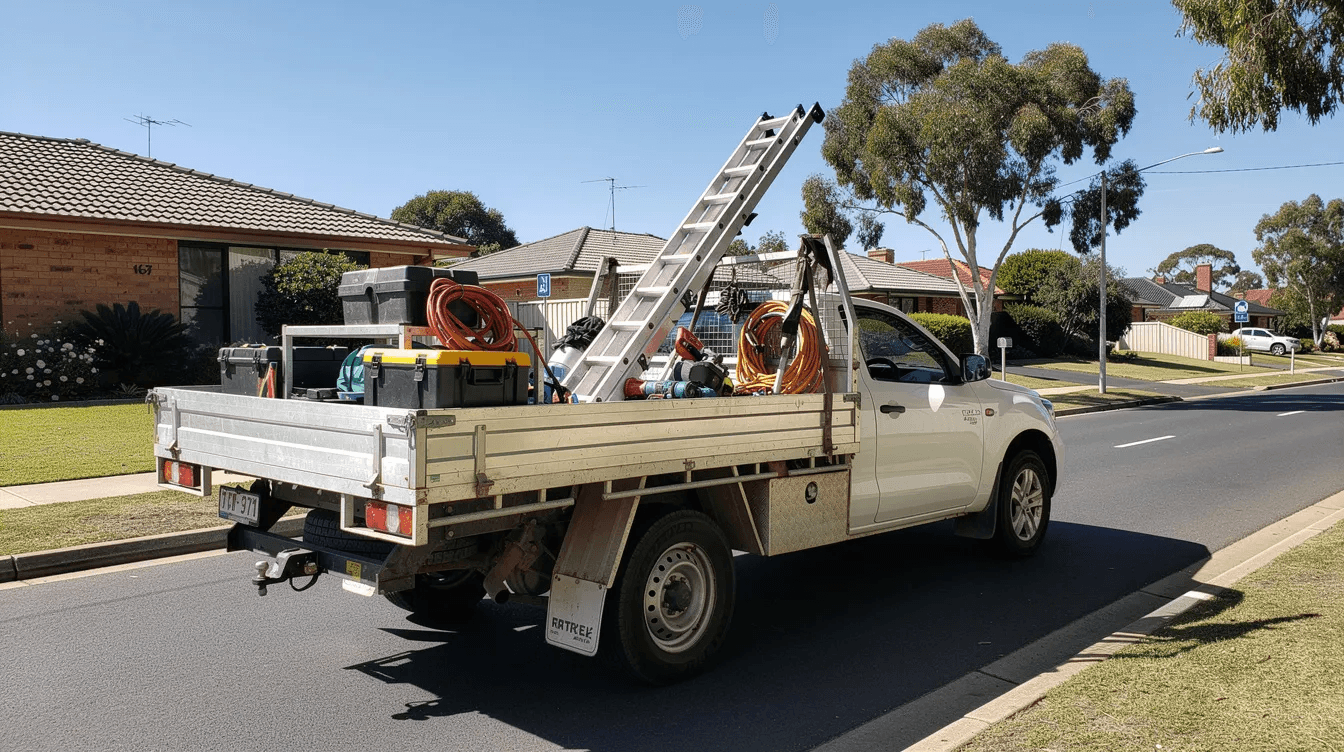
Common for tradies and trade businesses, gardeners, and food trucks
Vehicles, fuel costs, and equipment storage are your main expenses
A reliable work ute or van is essential - and doesn't have to be paid for in cash
Online businesses:
eCommerce stores, digital products, online courses, or remote consulting
Focus on website, payment gateways, and fulfilment partners
Lower upfront costs but ongoing marketing spend to reach your target audience
Your location choice links directly to funding. For example, using vehicle finance or equipment finance to get a reliable ute, van, or food truck preserves cash for other needs instead of tying up tens of thousands of dollars upfront.
7. Research Your Market and Competition
Market research validates business ideas by analyzing target audiences. You don't need to hire a consultant - you need to know who your target customers are and what the competition looks like.
Profile your target market:
Age range, location, job or industry, income band
Main problems they want solved
Where they currently find solutions (Google, social media, word of mouth, local businesses)
Market research identifies customer demographics and needs. It also helps you understand customers and competitors so you can position yourself effectively.
Practical research tactics:
Use Google Maps and social media to find and count competitors in your area
Run a quick online survey using free tools like Google Forms
Conduct 5 to 10 short interviews with people in your target audience
Visit competitors: observe what's busy, what's empty, what reviews say
Analyzing competitors helps identify market opportunities. If every landscaper in your suburb has a 4-week wait time, that's your opening.
Estimate local market size:
Count the number of similar providers within your service radius
Estimate how many potential customers live or work nearby
Multiply estimated customer count by average spend per transaction
Creating a unique selling proposition differentiates a business in the market. Convert your research into a simple positioning statement: what makes you different? Faster turnaround, more specialised service, eco-friendly materials, or better-financed equipment that lets you provide services others can't.
8. Turn Research into a Simple Business Plan
A business plan helps organize your company's direction. It doesn't need to be 50 pages - a clear, concise document covering the essentials is enough to guide your decisions and satisfy lenders.
Core elements to include:
Executive summary: who you are, what you do, what you need
Business idea: the problem you solve and for whom
Target market: demographics, location, spending habits of your target customers
Competitors: who else operates in your space and how you're different
Pricing: what you charge and why
Marketing plan: how you'll reach new customers (covered in Section 15)
Operations: where you work, what tools you need, who does what
Financial forecasts: revenue, expenses, and cash flow for at least 12 to 24 months
Example: A landscaping service plan might read: "GreenEdge Landscaping provides residential lawn care and garden maintenance in Melbourne's northern suburbs. We target homeowners aged 35-60 with properties over 400sqm who want fortnightly maintenance. Our three competitors in the area have 3-week wait lists. We'll price 10% below the market leader, invest in a quality mower and ute via equipment finance, and aim to break even within 8 months on 15 recurring clients."
A written business plan is often required when applying for business loans and working capital through brokers like GEA Capital. Revisit your plan every 6 to 12 months as the business grows - it's a living document, not a one-time exercise.
9. Work Out Start-Up Costs and Funding Options
Most businesses need to calculate their startup costs carefully. Securing funding involves calculating those costs and exploring capital options before you commit.
Typical upfront costs in Australia:
Registrations: ABN (free), business name ($44/year), company registration ($538+ plus ongoing ASIC fees)
Insurance: public liability, professional indemnity, workers' compensation - varies by industry
Tools and equipment: a ute for a tradie might run $35,000 to $80,000 new; a café espresso machine $5,000 to $20,000
Vehicles: essential for mobile businesses, often the largest single cost
Website and branding: $1,000 to $5,000 for a basic professional site
Lease bond and fit-out: retail or office spaces often require several months' rent upfront
Initial stock: where relevant
Startup costs for retail businesses range from $30,000 to $50,000 depending on location, fit-out, and stock levels. Service businesses typically start lower; asset-heavy industries start much higher.
Ongoing monthly costs include rent, subscriptions, fuel, wages, loan repayments, marketing, and accounting fees. The initial investment is only part of the picture.
Funding options:
Debt and equity finance are the two main funding types. Funding can come from personal savings or outside investors. Here's the practical breakdown:
Self fund with savings - avoids interest but carries personal risk
Family or friends loans - formalise with a written agreement
Business loans or overdrafts - for working capital and larger purchases
Equipment and vehicle finance - chattel mortgage, hire purchase, or lease structures that let you preserve cash
Equity finance - selling a share of the business to angel investors or partners for more funding
Credit cards - useful for small purchases but dangerous if misused at high interest rates
Government grants - occasionally available for specific industries or activities
Internationally, programs like the SBA 504 Loan Program, which was updated in 2024 for easier refinancing, support small business growth in the US. In Australia, the focus is more on asset finance structures and state-level grants.
GEA Capital helps new businesses explore funding options and structure finance - for example, using a chattel mortgage or commercial hire purchase for vehicles and machinery instead of tying up cash. We work with a panel of lenders to find the right fit, including options for businesses with credit challenges.
Build a 6 to 12 month cash buffer for lean periods, particularly for seasonal businesses such as tourism or landscaping.
10. Plan and Protect Your Cash Flow from Day One
Cash flow is the money moving in and out of your business each week and month. It's different from profit - you can be profitable on paper and still run out of cash if customers pay late or expenses spike.
Cash flow forecasting is critical for sustainability in business. Most businesses that fail do so because of cash flow issues, not because they had a bad idea.
Simple cash flow forecasting:
Estimate monthly income based on realistic customer numbers and pricing
List all fixed expenses: rent, loan repayments, insurance, subscriptions
Add variable expenses: fuel, materials, marketing, wages
Include tax obligations: GST, income tax instalments, superannuation
Forecast at least 12 months ahead and update monthly
Tactics to improve cash flow:
Collect deposits before starting jobs
Invoice immediately on completion - don't wait until end of month
Set shorter payment terms (7 to 14 days instead of 30)
Offer card payments on site for faster collection
Enforce clear late-fee policies
Tools for monitoring:
Accounting software with bank feeds (Xero, MYOB, QuickBooks)
Weekly "money check-in" sessions - 15 minutes reviewing what came in and what's going out
Track debtor days (how long clients take to pay) and gross margins
For growing businesses with lumpy income, dedicated cashflow lending - such as a small unsecured facility or invoice financing arranged through GEA Capital - can smooth out gaps and keep operations running during the break even point push.
11. Register Your New Business and Meet Legal Basics
Once your structure, name, and finances are in order, it's time to register and meet your legal obligations.
Key registration steps:
Apply for an Australian Business Number (ABN) - required for all businesses, free to obtain. An ABN is required for registration and appears on every invoice and finance application.
Register your business name with ASIC if it's different from your personal name
Apply for a tax file number if you don't already have one - most businesses need a tax file number to operate legally
Register for GST if your turnover is or will be $75,000 or more (mandatory threshold for most businesses)
Register for PAYG withholding if you hire employees or hire workers as contractors who don't quote an ABN
Register for payroll tax at state-dependent thresholds if your total wages exceed the relevant limit
Obtaining licenses and permits is necessary for regulatory compliance. Depending on your industry, you may need food handling certificates, building licences, child care approvals, or transport accreditations. Check your state or territory's business licensing portal for up to date information.
Record-keeping obligations:
Keep invoices, receipts, bank statements, and finance contracts for at least five years
This applies for both ATO purposes and lender requirements
Digital storage is fine - just make sure it's backed up
If you're registering a company (Pty Ltd), you must apply for a director ID before you can be appointed. This is a one-time requirement through the Australian Business Registry Services.
12. Set Up Business Banking, Systems, and Insurance
Before you start trading, set up the administrative foundations that keep your business organised and compliant.
Business bank account:
Open a dedicated business bank account and keep it completely separate from personal finances. Link it to your accounting software for automatic bank feeds. This separation makes tax time simpler, satisfies lender requirements, and gives you clear visibility of business performance.
Basic systems:
Invoicing software (often built into your accounting platform)
Payroll system if you hire employees
Inventory tracking for product-based businesses
A simple CRM or spreadsheet to track leads, clients, and follow-ups
Core insurances for most small businesses:
Public liability insurance - covers you if a customer or member of the public is injured or their property is damaged
Professional indemnity - essential for consultants and professional and service businesses
Product liability - for businesses selling physical goods
Workers' compensation - legally required if you hire workers in most states
Asset and vehicle insurance - covers financed equipment and vehicles
Business insurance covers unexpected events like theft or lawsuits. Many lenders require appropriate insurance as a condition of asset finance or vehicle finance contracts - your broker will flag this during the application.
Compare policies carefully. Focus on coverage limits and exclusions rather than buying purely on price.
13. Equip Your Business: Assets, Vehicles, and Tools
For many new business owners, equipment is the largest single expense. The good news: you don't need to pay for everything upfront.
Practical examples by industry:
A sole trader plumber needs a ute ($40,000 to $70,000), tools ($5,000 to $15,000), and a trailer ($3,000 to $8,000)
A café owner needs fit-out, an espresso machine, commercial fridges, and furniture - easily $50,000 to $150,000
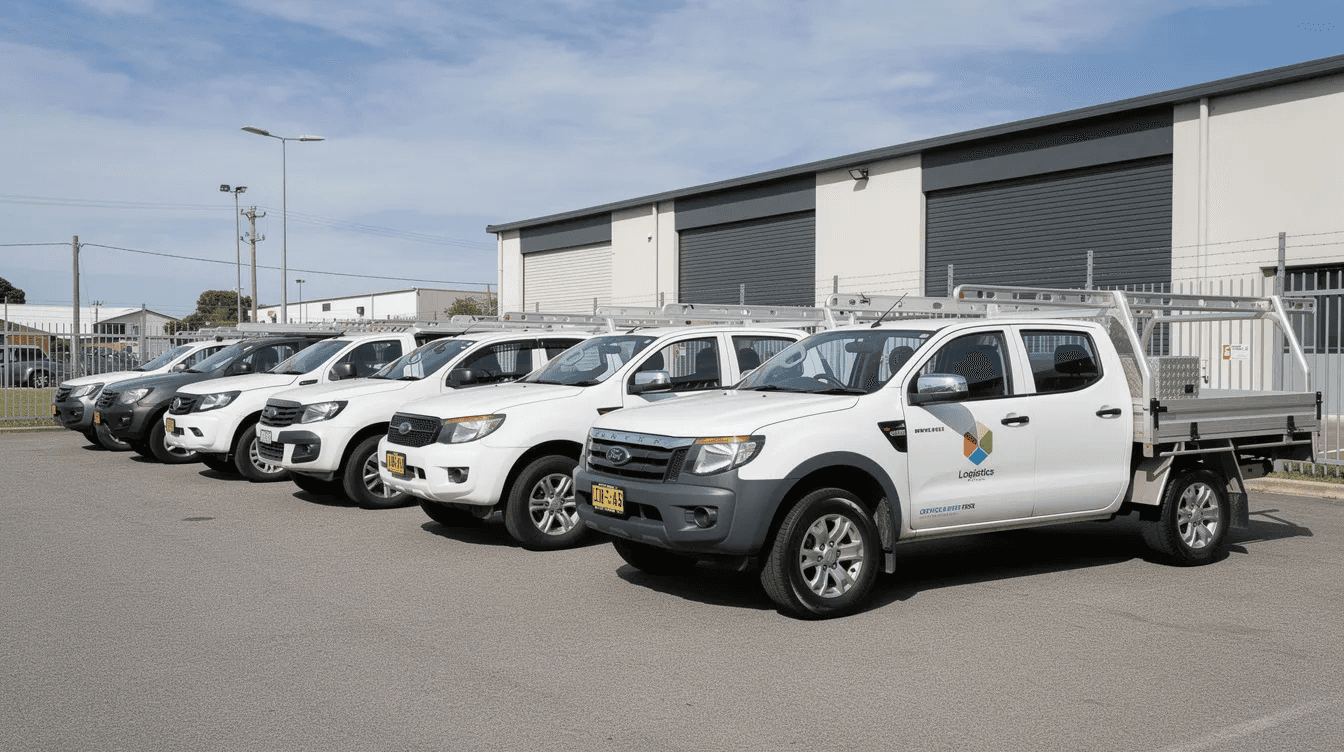
A courier or transport and fleet operator needs a reliable van and possibly GPS and cold-chain equipment
Main finance structures used in Australia:
Chattel mortgage: You own the asset from day one. The lender takes a mortgage over it as security. You can claim GST upfront if the asset is used more than 50% for business, depreciate it, and deduct interest. Terms typically run 1 to 7 years with optional balloon payments.
Commercial hire purchase: The lender owns the asset during the term; you hire it and take ownership at the end. GST is claimed on each payment rather than upfront.
Finance lease: The lender owns the asset and leases it to you. Lease payments are tax-deductible as an operating expense. Good when you want predictable costs without ownership during the term.
Operating lease: You use the asset and return it at end of term. Lower regular payments, often used for vehicles you plan to upgrade regularly.
Novated lease: Primarily for employees, structured through their employer.
Each structure has different implications for ownership, balance sheet treatment, tax and GST timing, and typical contract lengths of 1 to 7 years.
GEA Capital works with a panel of lenders to match asset and equipment finance to your business stage - including options for new businesses or those with less-than-perfect credit. We help you compare structures, understand the tax implications, and submit a clean application that improves your chances of approval.
When choosing vehicles and equipment, think about future upgrades and resale value - not just the initial purchase price. Assets from reputable manufacturers with strong residual values are easier to finance and re-sell.
14. Hire Employees, Contractors, or Stay Solo?
You don't need to hire workers on day one. Many small business owners start solo and bring in help only when the workload demands it.
Signs it's time to hire:
You're consistently turning down work or missing deadlines
Customers are waiting too long
Essential functions like bookkeeping, admin, or marketing are being neglected
Your business grows beyond what one person can handle
Employees vs contractors:
Employees receive entitlements (leave, superannuation at 11.5% in 2025, PAYG withholding) and are governed by Fair Work rules
Independent contractors operate under their own ABN, carry their own insurance, and invoice you for work completed
Misclassifying an employee as a contractor (sham contracting) can result in significant penalties - get professional advice if you're unsure
Starting small:
Consider part-time admin support or casual staff before committing to full-time hires
Use specialist contractors for marketing, IT, or accounting
Outsource non-core functions like copywriting services or web development
Lenders often look positively on well-managed payroll and staffing when assessing applications for more substantial business finance down the track.
15. Get Your First Customers and Start Marketing
No customers, no business. Customer acquisition strategies should focus on repeatable channels that generate leads consistently, not one-off bursts.
Foundation:
Define your value proposition: what you do, for whom, and why they should choose you
A marketing plan explains how you'll promote your business to your target audience
Creating a website helps customers find your business easily - even a one-page site with services, pricing guidance, testimonials, and contact details is enough to start
Starter marketing channels:
Word-of-mouth and referrals from friends, family, and early customers
Google Business Profile - essential for local visibility in search engines
Social media: Facebook and Instagram for consumer-facing businesses, LinkedIn for B2B and consulting
Email marketing: build a list from day one and send regular updates, tips, or offers
Digital advertising includes social media ads and email marketing - start with small budgets to test what works
Local networking: attend industry events, join your local chamber, and build relationships with complementary local businesses
Examples:
A cleaning business won its first 10 contracts by partnering with local real estate agents who needed reliable end-of-lease cleaners - a repeatable referral channel
A consulting business used LinkedIn posts and free 30-minute webinars to attract new customers, converting 3 out of every 20 attendees into paying clients
Track which channels generate leads so you can invest more in what works and avoid wasting limited cash flow. Use marketing materials consistently across all channels for brand recognition.
16. Manage Taxes, Compliance, and Debt from the Start
Ignoring your tax obligations is one of the fastest ways to kill an otherwise viable business. Here's what you need to stay on top of to pay taxes correctly and keep your business in good standing.
Key Australian taxes for small businesses:
Income tax: reported via your annual tax return (sole traders) or company tax return
GST: collected on sales and remitted via Business Activity Statements (BAS), typically quarterly
PAYG withholding: deducted from employee wages and remitted to the ATO
Superannuation: currently 11.5% of ordinary time earnings for each employee
BAS and reporting:
Most small businesses lodge BAS quarterly; larger businesses may report monthly
Set aside a percentage of each payment (many advisers suggest 25 to 30%) into a separate "tax" account so you're never caught short
Managing debt responsibly:
Never miss loan repayments - your repayment history directly affects future borrowing capacity
If cash flow tightens, communicate early with your lender or broker rather than going silent
Avoid overborrowing for non-productive expenses; borrow money for assets that generate revenue
Financial tracking metrics are essential for monitoring business health - review profit margins, debtor days, and monthly revenue trends regularly
Schedule periodic check-ins with an accountant or bookkeeper, especially at the end of the financial year and before major investments. Disciplined compliance and repayment history can support stronger finance approvals and better terms as your business grows. Many growing and scaling SMEs find that their early discipline pays off with access to better rates and larger facilities later.
17. Grow, Improve, and Plan Your Long-Term Exit
Once you've survived the startup phase and reached your break even point, the focus shifts from survival to growth.
Review and improve regularly:
Revisit your business plan, pricing, and costs every 6 to 12 months
Track simple KPIs: monthly revenue, gross margin, average debtor days, and customer acquisition cost
Set specific business goals for each quarter rather than vague annual targets
Seek up to date information on industry trends and regulatory changes
Growth paths:
Add new services or products that your existing customers need
Open a second location or expand your service area
Invest in more productive equipment or vehicles - often funded through asset finance rather than cash
Hire a small team and transition from doing all the work to managing the business
Support small businesses in your supply chain to build stronger partnerships
Target larger businesses as clients once you have a track record
Strategic use of business loans, asset finance, and cash flow lending can fund expansion without putting personal finances at unnecessary risk. Even compared to larger businesses with deeper pockets, well-financed smaller operators can compete effectively.
Exit options to consider early:
Selling the business to a buyer - easier if you've built systems that don't depend entirely on you
Handing it to family - common in trades and family businesses
Stepping back into an advisory role while managers run day-to-day operations
Having a clear exit strategy makes every business decision more intentional
Starting a business in Australia takes planning, persistence, and the right support. You don't have to figure out the funding part alone. Whether it's your first van or a full fleet, the right finance structure can make the difference between just surviving and actually scaling.
If you're ready to start a business - or you've already started and need equipment, vehicles, or working capital - talk to GEA Capital. We'll help you find the right funding from our panel of lenders, matched to your business stage, your goals, and your budget.
How to Start a Business in Australia in 2025 (Practical Guide from a Finance Broker)
Introduction: From Business Idea to First Sale
Every successful business starts the same way: someone decides to solve a problem for a paying customer. Whether you're a tradie ready to go solo, a consultant packaging your expertise, or an entrepreneur launching an online store, the path from business idea to first sale follows a predictable sequence - and skipping steps is where most people get stuck.
A clear business idea, a basic business plan, and access to the right funding are the fastest way to move from "thinking about it" to actually trading. In 2025, that combination matters more than ever. Australia now has over 2.73 million actively trading businesses, with roughly 437,150 new entries recorded in FY 2024-25 alone. The opportunity is real, but so is the competition.
This guide is written for Australians planning to start a business in 2025. You'll find examples drawn from trades, consulting businesses, online services, and asset-heavy industries like transport, construction, and medical equipment. We'll cover the essentials: your business structure, cash flow management, how to pick a legal structure, what it actually means to be your own boss, and how to fund equipment without draining your savings.
GEA Capital is a Melbourne-based, family-owned finance brokerage that helps new businesses access asset finance, vehicle finance, equipment loans, and cash flow lending across Australia. We wrote this guide because we see the same questions every week from people ready to launch.
Here's what we'll cover, in the real sequence of business starting: idea, structure, registration, money, equipment, first customers, then scaling and protection.
1. Check You're Ready to Run Your Own Business
Being your own boss sounds appealing until you realise the first 12 to 24 months usually mean longer hours, lower pay, and full responsibility for every decision. Variable income is normal. Most small businesses take 2 to 3 years to become profitable, and the early months often feel like working two jobs for the salary of half a job.
That said, 79.4% of companies survive their first year, and preparation significantly improves your odds. Over four years, roughly 63% of Australian businesses survive, with sole traders at about 60% and small employers closer to 75%.
Here's a quick readiness checklist:
You have a marketable skill (plumbing, bookkeeping, coaching, design, driving)
You can sell - or are willing to learn how to explain your value to potential customers
You understand basic financial literacy: profit vs revenue, cash flow vs profit, invoicing
You can tolerate uncertainty and some financial risk during the startup phase
Three quick examples of what "ready" looks like in practice:
A sole trader electrician spends their week doing on-site work, quoting jobs, managing materials, and maintaining their vehicle. They need trade qualifications, a reliable ute, and enough savings to cover slow weeks.
A marketing consulting business owner splits time between client work, proposals, networking, and admin. Readiness here means a portfolio, a professional network, and enough runway to handle 60-day payment terms.
An online store owner juggles marketing, fulfilment, customer service, and website maintenance. They need digital skills, a supplier relationship, and working capital for stock.
Support is available. Local business chambers, state small-business hubs, educational resources on Business.gov.au, and specialist advisers like accountants and finance brokers can all help you prepare. GEA Capital works specifically with startups and new ABNs to help them access the funding they need from day one.
2. Decide if It's a Hobby, Side Hustle, or Real Business
Before you spend money on registrations and insurance, clarify whether you're running a hobby or a business. The ATO uses specific criteria to distinguish between the two:
Intent to make a profit (not just covering costs or having fun)
Repetition and regularity of activity
Organised system: records, invoicing, stock management
Marketing to the public - advertising, a website, social media promotion
Concrete examples:
Selling a few candles at a Christmas market once a year with no ABN and no regular advertising - likely a hobby
Taking weekly orders online, advertising on Instagram, keeping financial records, and holding an ABN - that's a business
Why this matters:
You can only claim business expenses and deductions if the ATO considers your activity a business
Tax obligations differ significantly
You cannot apply for business finance, public liability insurance, or an ABN as a hobby
Getting classified incorrectly can lead to penalties
If you're running a side hustle that you intend to grow into a full-time income, adopt a "start small, but treat it like a business" mindset from the beginning. Register properly, keep records, and separate your finances.
3. Clarify Your Business Idea and Test Demand
Most businesses start from a simple business idea: solving a specific problem for a specific customer. A small business idea doesn't need to be revolutionary - it needs to be something people will pay for repeatedly.
To refine your idea, answer three questions:
Who do you serve? (e.g. homeowners in Melbourne's west, small businesses needing bookkeeping, busy parents wanting meal prep)
What pain do you solve? (save time, reduce cost, fix something broken, provide expertise they lack)
Why would a customer choose you over an existing business doing the same thing?
Your idea will typically fall into one of these categories:
Skill-based: bookkeeping, tutoring, graphic design, copywriting services
Consulting business: HR, SEO, sustainability advisory, financial planning
Product or service-based: landscaping, food truck, online handmade goods, cleaning
Launching a new business requires testing market demand before committing fully. A minimum viable product tests the market before full-scale production, and collecting customer feedback informs product improvements early.
Simple validation steps:
Talk to 10 to 20 potential customers and ask if they'd pay for your solution
Run a small paid test: trial ads on Facebook or Instagram, pre-orders, or a landing page with an enquiry form
Collect feedback on pricing and features before investing heavily
Mini case example: A personal trainer in Sydney tested demand for a mobile training business by running a 4-week pilot group at an introductory price, limited to 15 participants. She collected feedback after each session, adjusted her format, and confirmed willingness to pay before committing to a van lease and full marketing push.
4. Choose a Business Structure That Fits Your Plans
Choosing a suitable legal structure affects liability and taxation for the entire life of your business. Common business structures include sole trader, partnership, company, and trust. Here's what each means in practice.
Sole trader
A sole trader is the simplest and least expensive structure. You get full control over every decision, and income is taxed at your personal rate. The downside: you're personally liable for all of the business's debts. If things go wrong, creditors can pursue your personal assets. This is the structure most people choose when they start a business on their own.
Partnership
A general partnership involves two or more people sharing profits, decisions, and liability. Partnerships share profits, losses, and liabilities among partners - meaning each partner is jointly responsible for the business's debts. A formal partnership agreement is essential. This structure suits husband-and-wife trades or professional practices.
Company (Pty Ltd)
Companies are separate legal entities that limit personal liability. A company is a separate legal entity from its owners, which provides liability protection. There's more paperwork and compliance, but this structure is often better if you plan to hire employees, seek angel investors, or scale quickly. You must apply for a director ID to register a company in Australia.
Trust
Trusts protect business interests and assets for beneficiaries. They're used for asset protection and income distribution but are complex and almost always need an accountant or lawyer to set up correctly.
Your legal structure affects your personal liability for business debts, your tax return obligations, your ability to raise loans (including asset and equipment finance), and your long-term exit strategy. We recommend speaking with an accountant or adviser before locking in a structure - especially if you expect to move from sole trader to company within 2 to 3 years. The combination of sole trader, partnership, or company should match your growth ambitions.
5. Pick and Protect Your Business Name and Brand
Your business name is the first thing target customers see. It needs to work on signage, invoices, a website, and in conversation.
Tips for brainstorming:
Choose something easy to spell and pronounce
Make it descriptive of what you do (e.g. "GEA Capital Business Finance" immediately communicates the business type)
Avoid names that are too generic or too clever - clarity wins
Before committing, run these checks:
ASIC business name search (all business names in Australia are registered with ASIC)
IP Australia trade mark search
Google search for competitors with similar names
Domain availability - a .com.au domain adds Australian credibility
A business name must be registered if it's different from your own. You need to register a business name if it's different from your personal name, and registering a business name costs $44 for one year through ASIC.
Registering a trade mark is separate from registering a business name. Registering a trademark protects your brand in Australia and gives you stronger legal protection over your intellectual property nationwide - worth considering once your brand gains traction.
A strong brand identity includes a professional logo and website. Register a matching domain name and set up a business email early, even if the full website launches later.
Example: "Dave's Plumbing Solutions - Melbourne" is stronger for search engines and local businesses than "DPS Services Pty Ltd" because it immediately tells potential customers what you do, who you are, and where you operate.
6. Choose Where and How You'll Operate
Your operating model directly affects your startup costs, ongoing expenses, and the type of funding you'll need.
Home-based businesses:
Low overhead and one of the easiest businesses to launch
May need council approval depending on your local government area
Requires insurance adjustments and clear separation between personal and business finances
Leased premises:
Typical commercial leases in 2025 run 3 to 5 years with options to renew
Fit-out costs, bond requirements, and legal review of the lease add up quickly
Get professional advice before signing any retail or office lease
Mobile and on-site models:
Common for tradies and trade businesses, gardeners, and food trucks
Vehicles, fuel costs, and equipment storage are your main expenses
A reliable work ute or van is essential - and doesn't have to be paid for in cash
Online businesses:
eCommerce stores, digital products, online courses, or remote consulting
Focus on website, payment gateways, and fulfilment partners
Lower upfront costs but ongoing marketing spend to reach your target audience
Your location choice links directly to funding. For example, using vehicle finance or equipment finance to get a reliable ute, van, or food truck preserves cash for other needs instead of tying up tens of thousands of dollars upfront.
7. Research Your Market and Competition
Market research validates business ideas by analyzing target audiences. You don't need to hire a consultant - you need to know who your target customers are and what the competition looks like.
Profile your target market:
Age range, location, job or industry, income band
Main problems they want solved
Where they currently find solutions (Google, social media, word of mouth, local businesses)
Market research identifies customer demographics and needs. It also helps you understand customers and competitors so you can position yourself effectively.
Practical research tactics:
Use Google Maps and social media to find and count competitors in your area
Run a quick online survey using free tools like Google Forms
Conduct 5 to 10 short interviews with people in your target audience
Visit competitors: observe what's busy, what's empty, what reviews say
Analyzing competitors helps identify market opportunities. If every landscaper in your suburb has a 4-week wait time, that's your opening.
Estimate local market size:
Count the number of similar providers within your service radius
Estimate how many potential customers live or work nearby
Multiply estimated customer count by average spend per transaction
Creating a unique selling proposition differentiates a business in the market. Convert your research into a simple positioning statement: what makes you different? Faster turnaround, more specialised service, eco-friendly materials, or better-financed equipment that lets you provide services others can't.
8. Turn Research into a Simple Business Plan
A business plan helps organize your company's direction. It doesn't need to be 50 pages - a clear, concise document covering the essentials is enough to guide your decisions and satisfy lenders.
Core elements to include:
Executive summary: who you are, what you do, what you need
Business idea: the problem you solve and for whom
Target market: demographics, location, spending habits of your target customers
Competitors: who else operates in your space and how you're different
Pricing: what you charge and why
Marketing plan: how you'll reach new customers (covered in Section 15)
Operations: where you work, what tools you need, who does what
Financial forecasts: revenue, expenses, and cash flow for at least 12 to 24 months
Example: A landscaping service plan might read: "GreenEdge Landscaping provides residential lawn care and garden maintenance in Melbourne's northern suburbs. We target homeowners aged 35-60 with properties over 400sqm who want fortnightly maintenance. Our three competitors in the area have 3-week wait lists. We'll price 10% below the market leader, invest in a quality mower and ute via equipment finance, and aim to break even within 8 months on 15 recurring clients."
A written business plan is often required when applying for business loans and working capital through brokers like GEA Capital. Revisit your plan every 6 to 12 months as the business grows - it's a living document, not a one-time exercise.
9. Work Out Start-Up Costs and Funding Options
Most businesses need to calculate their startup costs carefully. Securing funding involves calculating those costs and exploring capital options before you commit.
Typical upfront costs in Australia:
Registrations: ABN (free), business name ($44/year), company registration ($538+ plus ongoing ASIC fees)
Insurance: public liability, professional indemnity, workers' compensation - varies by industry
Tools and equipment: a ute for a tradie might run $35,000 to $80,000 new; a café espresso machine $5,000 to $20,000
Vehicles: essential for mobile businesses, often the largest single cost
Website and branding: $1,000 to $5,000 for a basic professional site
Lease bond and fit-out: retail or office spaces often require several months' rent upfront
Initial stock: where relevant
Startup costs for retail businesses range from $30,000 to $50,000 depending on location, fit-out, and stock levels. Service businesses typically start lower; asset-heavy industries start much higher.
Ongoing monthly costs include rent, subscriptions, fuel, wages, loan repayments, marketing, and accounting fees. The initial investment is only part of the picture.
Funding options:
Debt and equity finance are the two main funding types. Funding can come from personal savings or outside investors. Here's the practical breakdown:
Self fund with savings - avoids interest but carries personal risk
Family or friends loans - formalise with a written agreement
Business loans or overdrafts - for working capital and larger purchases
Equipment and vehicle finance - chattel mortgage, hire purchase, or lease structures that let you preserve cash
Equity finance - selling a share of the business to angel investors or partners for more funding
Credit cards - useful for small purchases but dangerous if misused at high interest rates
Government grants - occasionally available for specific industries or activities
Internationally, programs like the SBA 504 Loan Program, which was updated in 2024 for easier refinancing, support small business growth in the US. In Australia, the focus is more on asset finance structures and state-level grants.
GEA Capital helps new businesses explore funding options and structure finance - for example, using a chattel mortgage or commercial hire purchase for vehicles and machinery instead of tying up cash. We work with a panel of lenders to find the right fit, including options for businesses with credit challenges.
Build a 6 to 12 month cash buffer for lean periods, particularly for seasonal businesses such as tourism or landscaping.
10. Plan and Protect Your Cash Flow from Day One
Cash flow is the money moving in and out of your business each week and month. It's different from profit - you can be profitable on paper and still run out of cash if customers pay late or expenses spike.
Cash flow forecasting is critical for sustainability in business. Most businesses that fail do so because of cash flow issues, not because they had a bad idea.
Simple cash flow forecasting:
Estimate monthly income based on realistic customer numbers and pricing
List all fixed expenses: rent, loan repayments, insurance, subscriptions
Add variable expenses: fuel, materials, marketing, wages
Include tax obligations: GST, income tax instalments, superannuation
Forecast at least 12 months ahead and update monthly
Tactics to improve cash flow:
Collect deposits before starting jobs
Invoice immediately on completion - don't wait until end of month
Set shorter payment terms (7 to 14 days instead of 30)
Offer card payments on site for faster collection
Enforce clear late-fee policies
Tools for monitoring:
Accounting software with bank feeds (Xero, MYOB, QuickBooks)
Weekly "money check-in" sessions - 15 minutes reviewing what came in and what's going out
Track debtor days (how long clients take to pay) and gross margins
For growing businesses with lumpy income, dedicated cashflow lending - such as a small unsecured facility or invoice financing arranged through GEA Capital - can smooth out gaps and keep operations running during the break even point push.
11. Register Your New Business and Meet Legal Basics
Once your structure, name, and finances are in order, it's time to register and meet your legal obligations.
Key registration steps:
Apply for an Australian Business Number (ABN) - required for all businesses, free to obtain. An ABN is required for registration and appears on every invoice and finance application.
Register your business name with ASIC if it's different from your personal name
Apply for a tax file number if you don't already have one - most businesses need a tax file number to operate legally
Register for GST if your turnover is or will be $75,000 or more (mandatory threshold for most businesses)
Register for PAYG withholding if you hire employees or hire workers as contractors who don't quote an ABN
Register for payroll tax at state-dependent thresholds if your total wages exceed the relevant limit
Obtaining licenses and permits is necessary for regulatory compliance. Depending on your industry, you may need food handling certificates, building licences, child care approvals, or transport accreditations. Check your state or territory's business licensing portal for up to date information.
Record-keeping obligations:
Keep invoices, receipts, bank statements, and finance contracts for at least five years
This applies for both ATO purposes and lender requirements
Digital storage is fine - just make sure it's backed up
If you're registering a company (Pty Ltd), you must apply for a director ID before you can be appointed. This is a one-time requirement through the Australian Business Registry Services.
12. Set Up Business Banking, Systems, and Insurance
Before you start trading, set up the administrative foundations that keep your business organised and compliant.
Business bank account:
Open a dedicated business bank account and keep it completely separate from personal finances. Link it to your accounting software for automatic bank feeds. This separation makes tax time simpler, satisfies lender requirements, and gives you clear visibility of business performance.
Basic systems:
Invoicing software (often built into your accounting platform)
Payroll system if you hire employees
Inventory tracking for product-based businesses
A simple CRM or spreadsheet to track leads, clients, and follow-ups
Core insurances for most small businesses:
Public liability insurance - covers you if a customer or member of the public is injured or their property is damaged
Professional indemnity - essential for consultants and professional and service businesses
Product liability - for businesses selling physical goods
Workers' compensation - legally required if you hire workers in most states
Asset and vehicle insurance - covers financed equipment and vehicles
Business insurance covers unexpected events like theft or lawsuits. Many lenders require appropriate insurance as a condition of asset finance or vehicle finance contracts - your broker will flag this during the application.
Compare policies carefully. Focus on coverage limits and exclusions rather than buying purely on price.
13. Equip Your Business: Assets, Vehicles, and Tools
For many new business owners, equipment is the largest single expense. The good news: you don't need to pay for everything upfront.
Practical examples by industry:
A sole trader plumber needs a ute ($40,000 to $70,000), tools ($5,000 to $15,000), and a trailer ($3,000 to $8,000)
A café owner needs fit-out, an espresso machine, commercial fridges, and furniture - easily $50,000 to $150,000
A courier or transport and fleet operator needs a reliable van and possibly GPS and cold-chain equipment
Main finance structures used in Australia:
Chattel mortgage: You own the asset from day one. The lender takes a mortgage over it as security. You can claim GST upfront if the asset is used more than 50% for business, depreciate it, and deduct interest. Terms typically run 1 to 7 years with optional balloon payments.
Commercial hire purchase: The lender owns the asset during the term; you hire it and take ownership at the end. GST is claimed on each payment rather than upfront.
Finance lease: The lender owns the asset and leases it to you. Lease payments are tax-deductible as an operating expense. Good when you want predictable costs without ownership during the term.
Operating lease: You use the asset and return it at end of term. Lower regular payments, often used for vehicles you plan to upgrade regularly.
Novated lease: Primarily for employees, structured through their employer.
Each structure has different implications for ownership, balance sheet treatment, tax and GST timing, and typical contract lengths of 1 to 7 years.
GEA Capital works with a panel of lenders to match asset and equipment finance to your business stage - including options for new businesses or those with less-than-perfect credit. We help you compare structures, understand the tax implications, and submit a clean application that improves your chances of approval.
When choosing vehicles and equipment, think about future upgrades and resale value - not just the initial purchase price. Assets from reputable manufacturers with strong residual values are easier to finance and re-sell.
14. Hire Employees, Contractors, or Stay Solo?
You don't need to hire workers on day one. Many small business owners start solo and bring in help only when the workload demands it.
Signs it's time to hire:
You're consistently turning down work or missing deadlines
Customers are waiting too long
Essential functions like bookkeeping, admin, or marketing are being neglected
Your business grows beyond what one person can handle
Employees vs contractors:
Employees receive entitlements (leave, superannuation at 11.5% in 2025, PAYG withholding) and are governed by Fair Work rules
Independent contractors operate under their own ABN, carry their own insurance, and invoice you for work completed
Misclassifying an employee as a contractor (sham contracting) can result in significant penalties - get professional advice if you're unsure
Starting small:
Consider part-time admin support or casual staff before committing to full-time hires
Use specialist contractors for marketing, IT, or accounting
Outsource non-core functions like copywriting services or web development
Lenders often look positively on well-managed payroll and staffing when assessing applications for more substantial business finance down the track.
15. Get Your First Customers and Start Marketing
No customers, no business. Customer acquisition strategies should focus on repeatable channels that generate leads consistently, not one-off bursts.
Foundation:
Define your value proposition: what you do, for whom, and why they should choose you
A marketing plan explains how you'll promote your business to your target audience
Creating a website helps customers find your business easily - even a one-page site with services, pricing guidance, testimonials, and contact details is enough to start
Starter marketing channels:
Word-of-mouth and referrals from friends, family, and early customers
Google Business Profile - essential for local visibility in search engines
Social media: Facebook and Instagram for consumer-facing businesses, LinkedIn for B2B and consulting
Email marketing: build a list from day one and send regular updates, tips, or offers
Digital advertising includes social media ads and email marketing - start with small budgets to test what works
Local networking: attend industry events, join your local chamber, and build relationships with complementary local businesses
Examples:
A cleaning business won its first 10 contracts by partnering with local real estate agents who needed reliable end-of-lease cleaners - a repeatable referral channel
A consulting business used LinkedIn posts and free 30-minute webinars to attract new customers, converting 3 out of every 20 attendees into paying clients
Track which channels generate leads so you can invest more in what works and avoid wasting limited cash flow. Use marketing materials consistently across all channels for brand recognition.
16. Manage Taxes, Compliance, and Debt from the Start
Ignoring your tax obligations is one of the fastest ways to kill an otherwise viable business. Here's what you need to stay on top of to pay taxes correctly and keep your business in good standing.
Key Australian taxes for small businesses:
Income tax: reported via your annual tax return (sole traders) or company tax return
GST: collected on sales and remitted via Business Activity Statements (BAS), typically quarterly
PAYG withholding: deducted from employee wages and remitted to the ATO
Superannuation: currently 11.5% of ordinary time earnings for each employee
BAS and reporting:
Most small businesses lodge BAS quarterly; larger businesses may report monthly
Set aside a percentage of each payment (many advisers suggest 25 to 30%) into a separate "tax" account so you're never caught short
Managing debt responsibly:
Never miss loan repayments - your repayment history directly affects future borrowing capacity
If cash flow tightens, communicate early with your lender or broker rather than going silent
Avoid overborrowing for non-productive expenses; borrow money for assets that generate revenue
Financial tracking metrics are essential for monitoring business health - review profit margins, debtor days, and monthly revenue trends regularly
Schedule periodic check-ins with an accountant or bookkeeper, especially at the end of the financial year and before major investments. Disciplined compliance and repayment history can support stronger finance approvals and better terms as your business grows. Many growing and scaling SMEs find that their early discipline pays off with access to better rates and larger facilities later.
17. Grow, Improve, and Plan Your Long-Term Exit
Once you've survived the startup phase and reached your break even point, the focus shifts from survival to growth.
Review and improve regularly:
Revisit your business plan, pricing, and costs every 6 to 12 months
Track simple KPIs: monthly revenue, gross margin, average debtor days, and customer acquisition cost
Set specific business goals for each quarter rather than vague annual targets
Seek up to date information on industry trends and regulatory changes
Growth paths:
Add new services or products that your existing customers need
Open a second location or expand your service area
Invest in more productive equipment or vehicles - often funded through asset finance rather than cash
Hire a small team and transition from doing all the work to managing the business
Support small businesses in your supply chain to build stronger partnerships
Target larger businesses as clients once you have a track record
Strategic use of business loans, asset finance, and cash flow lending can fund expansion without putting personal finances at unnecessary risk. Even compared to larger businesses with deeper pockets, well-financed smaller operators can compete effectively.
Exit options to consider early:
Selling the business to a buyer - easier if you've built systems that don't depend entirely on you
Handing it to family - common in trades and family businesses
Stepping back into an advisory role while managers run day-to-day operations
Having a clear exit strategy makes every business decision more intentional
Starting a business in Australia takes planning, persistence, and the right support. You don't have to figure out the funding part alone. Whether it's your first van or a full fleet, the right finance structure can make the difference between just surviving and actually scaling.
If you're ready to start a business - or you've already started and need equipment, vehicles, or working capital - talk to GEA Capital. We'll help you find the right funding from our panel of lenders, matched to your business stage, your goals, and your budget.
Our Solutions
Gabriel Anagnostakis is an authorised credit representative (No. 562173) of Viking Asset Aggregation Pty Ltd, trading as GEA Capital (The Trustee for GEA Family Trust, ABN: 76 533 017 761). Australian Credit licence Number 543046 and is authorised to provide credit related activities.

Our Solutions
Gabriel Anagnostakis is an authorised credit representative (No. 562173) of Viking Asset Aggregation Pty Ltd, trading as GEA Capital (The Trustee for GEA Family Trust, ABN: 76 533 017 761). Australian Credit licence Number 543046 and is authorised to provide credit related activities.
Our Solutions
Gabriel Anagnostakis is an authorised credit representative (No. 562173) of Viking Asset Aggregation Pty Ltd, trading as GEA Capital (The Trustee for GEA Family Trust, ABN: 76 533 017 761). Australian Credit licence Number 543046 and is authorised to provide credit related activities.
Our Solutions
Gabriel Anagnostakis is an authorised credit representative (No. 562173) of Viking Asset Aggregation Pty Ltd, trading as GEA Capital (The Trustee for GEA Family Trust, ABN: 76 533 017 761). Australian Credit licence Number 543046 and is authorised to provide credit related activities.