What Is Asset Finance? A Practical Guide for Australian Businesses

What Is Asset Finance? A Practical Guide for Australian Businesses
Asset finance is one of the most common ways Australian businesses fund vehicles, equipment, and machinery. If you have ever wondered how a sole trader buys a $120,000 truck or how a café owner funds an $80,000 kitchen fit-out without draining their bank account, the answer is usually some form of asset finance. This guide explains how it works, what structures exist, and how to decide which one fits your business.
What is asset finance?
Asset finance lets a business acquire a new asset (or get use of one) without paying the full purchase price upfront. A finance company or lender funds the asset, and the business makes regular payments over a fixed term, covering principal, interest payments, and associated fees. The asset itself usually acts as security for the arrangement; assets can be pledged as collateral for loans, which is why approval rates for asset finance are often higher compared to unsecured loans.
Here is how asset finance work in practice:
The business identifies an asset it needs: a vehicle, piece of equipment, or machinery.
A finance provider purchases the asset or lends the funds for the business to buy it, depending on the structure chosen.
The business repays through monthly payments over an agreed contract term (typically 2 to 7 years).
Until fully repaid, the lender holds a security interest over the asset, registered on Australia's Personal Property Securities Register (PPSR).
At the end of the term, the business either owns the asset outright, pays a residual to acquire it, or returns it, depending on the finance agreement.
Under the Banking Code of Practice, asset finance is defined as financial accommodation for the acquisition, lease, rental, or hire purchase of a tangible asset (excluding land).
GEA Capital is a Melbourne-based finance brokerage, not a direct lender. We work with a panel of banks and specialist financiers to match each client with the right asset finance product for their situation.
Why asset finance matters for Australian businesses
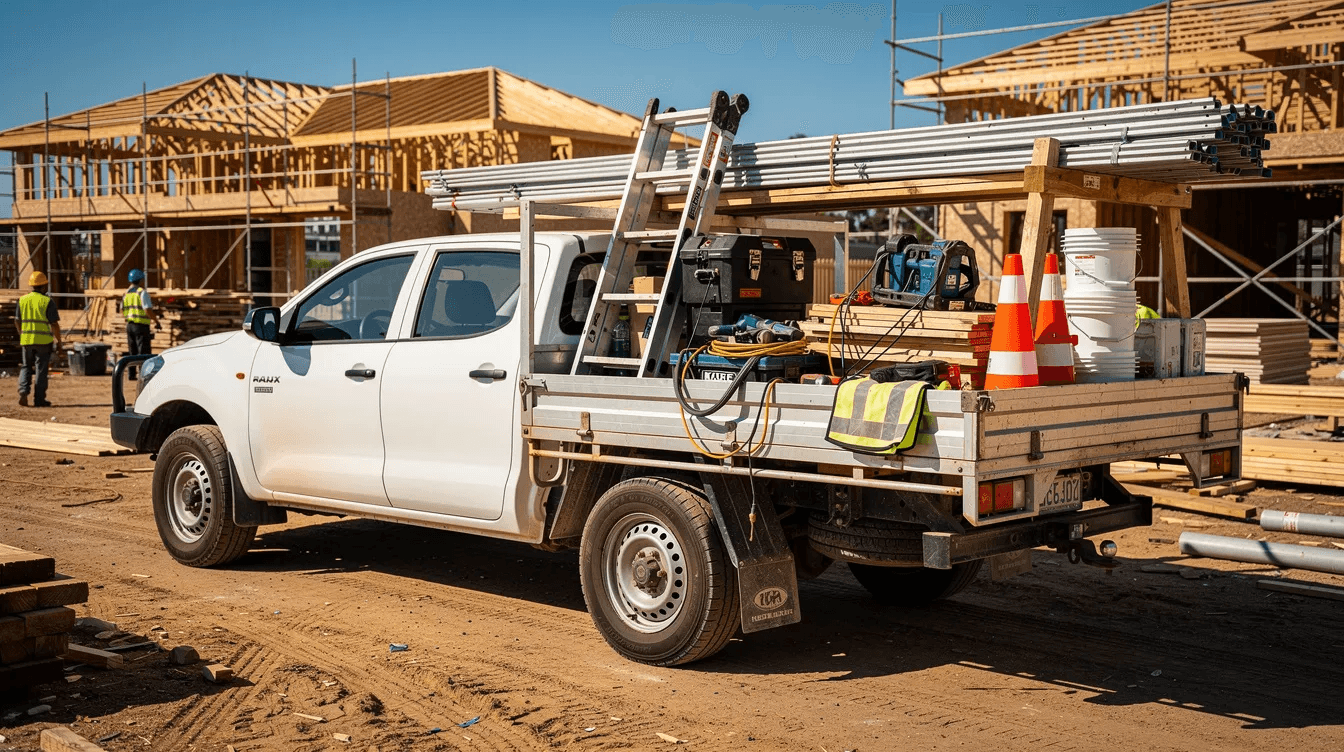
Most small businesses don't have $50,000 to $500,000 sitting in cash reserves. Yet to grow, they need income-generating equipment: a new excavator, a second delivery van, a commercial oven, or an X-ray machine.
Asset finance closes that gap. Here is why it matters:
Asset finance allows businesses to acquire assets without large upfront costs; a tradie can start using a new ute tomorrow instead of saving for two years.
Businesses can access equipment without large upfront costs, which means asset finance can help businesses acquire essential equipment quickly and begin generating revenue from day one.
Cash flow stays intact. Asset finance helps preserve working capital for wages, rent, stock, and ATO obligations instead of locking it into a single purchase.
Australian businesses are investing heavily: ABS data projects new capital expenditure at A$158.4 billion for 2026-27, with equipment, plant, and machinery expenditure rising 3.8% in late 2025 alone. Asset finance funds a large share of that spending.
Common use cases include transport operators adding trucks, construction contractors acquiring excavators, cafes and restaurants fitting out kitchens, and medical clinics buying imaging or dental equipment.
Asset finance supports business growth by letting owners invest in the tools they need while keeping cash flow flexible enough to handle day-to-day business needs.
What counts as an asset in asset finance?
An "asset" here means a tangible, movable item with clear cash value that the business uses to operate or generate income. Not every item qualifies with every lender, and each asset finance company sets its own criteria.
Vehicles: cars, utes, vans, light and heavy trucks, trailers, prime movers. These are high value assets with strong resale markets and are the most commonly financed category.
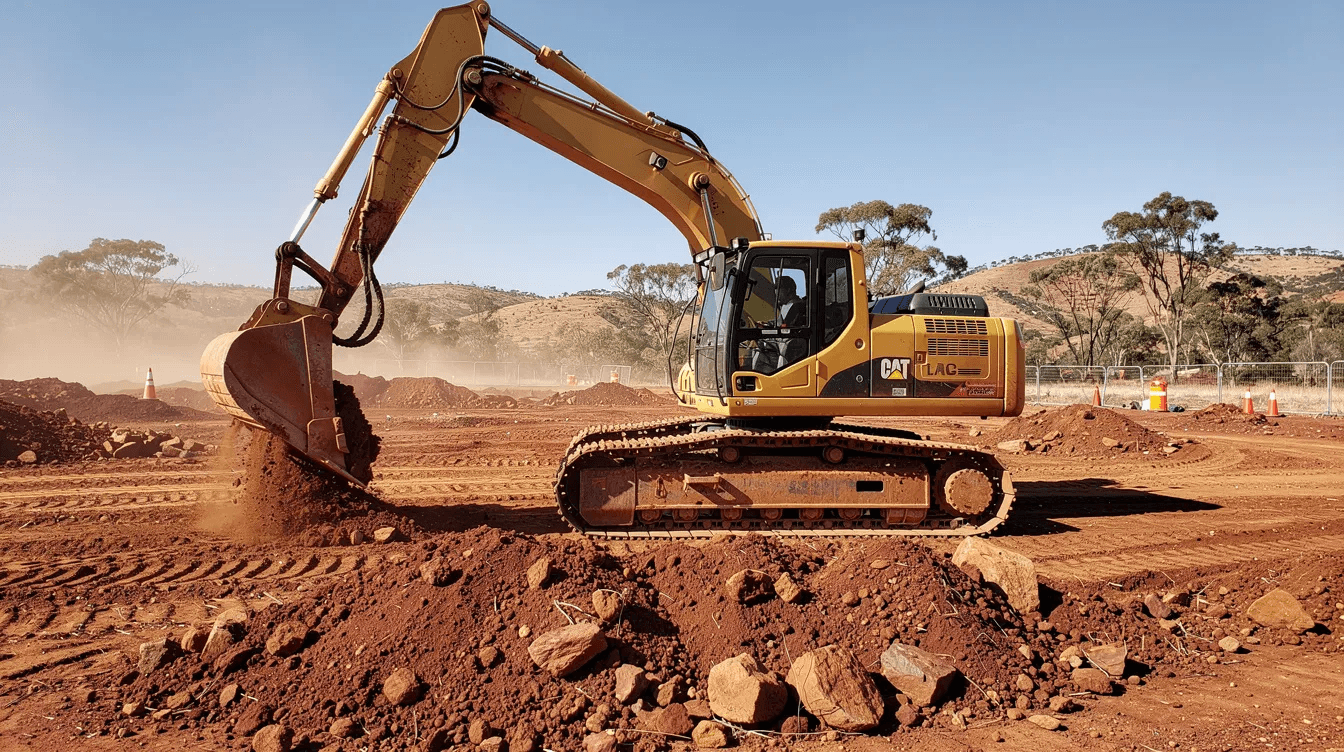
Yellow gear and earthmoving: excavators, loaders, bulldozers, skid steers. Hard assets with durable residual values.
Manufacturing and workshop machinery: CNC machines, presses, welding rigs, forklifts, conveyors.
Medical and dental equipment: imaging machines, sterilisation units, dental chairs, diagnostic tools.
Hospitality and retail fit-outs: commercial ovens, refrigeration, coffee machines, display cases.
IT and office equipment: servers, computers, copiers, office furniture.
Hard assets (trucks, excavators, industrial machinery) hold their value and are easier to finance with lower deposits and better interest rates. Soft assets (IT hardware, fit-outs, furniture) depreciate faster, so lenders may require shorter terms, higher deposits, or specialist funding.
Lender criteria also cover asset age. Many require a used asset to be under five years old at the start of the term and under 10 to 12 years old at the end. Niche or rare equipment may need a specialist finance provider.
Types of asset finance (structures and products)
"Asset finance" is an umbrella term. Common asset finance types include hire purchase, finance lease, and operating lease. Each type has different ownership, tax, and cash flow outcomes, so the right choice depends on your business depending on its priorities: ownership, flexibility, or cost.
The main types of asset finance are:
Chattel mortgage (also called a commercial goods loan)
Hire purchase agreement
Finance lease
Operating lease
Contract hire and novated lease (for commercial vehicles and employee car benefits)
Asset refinancing and sale-and-leaseback
GEA Capital compares these asset and equipment finance options across multiple lenders to match the right structure to each client. The sections below explain each asset finance option in plain terms.
Chattel mortgage and hire purchase
Both chattel mortgage and hire purchase are common financing options for acquiring vehicles and equipment in Australia. They share a goal (you end up owning the asset) but differ in when ownership transfers.
Chattel mortgage:
The business owns the asset from settlement day. The lender takes a mortgage (security interest) over it until the loan is repaid.
Loan period is typically 3 to 7 years with fixed repayments. An optional balloon or residual payment at the end can reduce monthly payments.
GST-registered businesses can claim a GST input credit upfront on the purchase price.
The business claims asset depreciation and can deduct interest payments. For small businesses with aggregated turnover under A$10 million, assets under $20,000 may qualify for the instant asset write-off if owned and installed ready for use.
Hire purchase:
The lender effectively owns the asset during the hire purchase agreement. The business uses it and makes regular payments over a fixed term.
Hire purchase allows ownership after all payments are made, including any final purchase fee or residual.
Since GST changes in 2012, GST treatment on hire purchase has aligned more closely with chattel mortgage, allowing upfront GST credit claims.
The business can claim depreciation and interest deductions during the term.
Both structures suit established businesses wanting long-term ownership, predictable repayments, and potential tax advantages. A business that plans to own assets for many years and wants to claim depreciation and interest will often choose one of these two. Confirm specific tax benefits with your accountant, as outcomes vary by entity type and turnover.
Leasing, operating lease, and contract hire
Leasing structures sit on the other side of asset finance: instead of buying, you pay for the use of the asset over a rental period.
Finance lease:
The lender buys the new asset and leases it to the business over a lease term.
Finance leases require monthly payments but no ownership transfer during the term. The business handles insurance, maintenance, and running costs.
At the end, the business may settle a residual to purchase the asset, extend the lease, or return it.
GST is claimed progressively through each lease payment rather than upfront.
Businesses can upgrade equipment at the end of an asset finance term, making this a cost effective way to stay current with the latest equipment.
Operating lease:
Operating leases allow businesses to rent equipment without ownership. The asset is returned at the end with no obligation to buy.
Often includes bundled costs: maintenance, registration, tyres (for vehicles).
Lease payments are typically deductible as a business expense.
Suited to assets that depreciate quickly (IT, medical technology) or where the business wants frequent upgrades to sustainable assets.
Contract hire:
Contract hire is specifically for leasing commercial vehicles: cars, utes, vans, and light trucks.
Fixed monthly payments cover the vehicle for a set contract term with a defined annual mileage allowance.
At the end of the rental period, the vehicle goes back. No residual, no balloon, no obligation to buy.
Penalties may apply for exceeding usage limits on leased assets, and damage beyond contract terms can incur additional costs.
GEA Capital may recommend leasing or contract hire for businesses wanting predictable fleet costs, off-balance sheet treatment (where accounting policies permit), or the flexibility to acquire vehicles and swap them regularly.
Asset refinancing (asset refinance and sale & hire-back)
Asset refinancing is a different use of asset finance. Instead of funding a new asset, you borrow against business assets you already own.
Asset refinance unlocks cash by using owned assets as collateral. If you own trucks, excavators, or machinery outright, a lender can advance funds against their value. Asset refinancing unlocks cash from existing assets without selling them.
Asset refinancing can lower financing costs compared to unsecured loans because the lender has tangible security.
In a sale-and-leaseback (or sale and hire purchase back), the lender buys the asset from you at an agreed cash value, then finances it back over a term. You keep using the asset while freeing up a lump sum of working capital.
Businesses can use asset refinancing to fund expansion, pay ATO debts, or purchase additional equipment. Asset refinancing allows businesses to maintain asset usage during repayment.
Practical example: a transport operator owns 15 trucks worth $1.8 million. A delayed contract payment creates a liquidity squeeze. A sale-and-leaseback on the fleet releases cash within days while the operator continues running the trucks under a new finance agreement.
The difference between asset finance and asset refinancing is straightforward: asset finance funds a new purchase; asset refinancing turns a company's assets that are already owned into working capital.
GEA Capital structures asset refinancing deals across its lender panel, including specialist asset refinance providers who focus on high value items and diverse range of equipment types.
How does asset finance work step by step?
The asset finance application process follows a fairly standard path, whether you go through a broker or direct to a lender.

Scope the need. Identify the asset, budget, and timing. Is this a new or used asset? What is the expected useful life?
Confirm eligibility. Make sure the business is eligible: valid ABN, trading history, and an asset that lenders will accept.
Gather documents. Typical requirements include recent BAS statements, 3 to 6 months of bank statements, financial statements or tax returns, and asset quotes or invoices from the supplier.
Select a lender. GEA Capital compares options from its panel and recommends the asset finance company that fits the deal: rate, term, structure, and flexibility.
Submit the application. The lender runs a credit assessment covering the business (and sometimes personal) credit rating, financial strength, and asset details.
Approval and documentation. Once approved, the asset finance agreement is drawn up. Security is registered on the PPSR. Directors' guarantees may apply for higher-risk deals or limited company structures.
Settlement. The finance provider pays the supplier. The business takes delivery or begins using the asset.
Repayments. The business makes regular payments over the loan period (typically 2 to 7 years). Early payout is usually possible, sometimes with break fees.
This application process is faster with complete documentation. Well-prepared applications through a broker like GEA Capital can settle in as little as five to ten business days for straightforward deals.
Key benefits of asset finance
The benefits of asset finance go beyond "you get the gear." They tie directly to cash flow, tax, and operational flexibility.
Cash flow protection. Asset finance supports cash flow by freeing up capital. Instead of a large sum leaving your account on day one, you make smaller, manageable payments over time. Flexible payment structures can align with seasonal business cash flow needs (e.g., higher payments during busy months, lower during quiet periods).
Access to better equipment. Finance lets you acquire new equipment that may be out of reach for a cash purchase: late-model trucks with better fuel efficiency, modern diagnostic tools, or energy-efficient machinery that lowers running costs.
Predictable budgeting. Asset finance can improve budgeting with fixed repayment terms. Knowing your exact monthly payments makes business finance planning straightforward.
Tax benefits. Tax advantages can be gained from certain asset finance structures. Interest payments on asset finance are tax deductible. Depreciation claims, instant asset write-offs (for eligible small businesses), and GST input credits can reduce your taxable position. Always confirm details with your accountant.
Lower rates. Interest rates for asset finance are typically lower than other loans because the asset itself secures the deal. Indicative rates in mid-2026 range from about 6.25% to 15.49% p.a. depending on structure, credit profile, and asset type.
Minimal extra collateral. The asset itself is the security, so businesses without property can still access finance. This is a key benefit for younger businesses and sole traders.
Businesses can spread asset costs over time with regular payments, turning what would be a single capital outlay into a manageable operating expense.

Risks and drawbacks of asset finance
Asset finance is not risk-free. Understanding the trade-offs helps you make a clear-eyed decision.
Commitment and exit costs. Contracts run 2 to 7 years. Breaking early triggers payout figures and fees. Long-term commitments can strain cash flow management if your revenue drops or business conditions change.
Total cost exceeds cash price. Over the full term, interest and fees mean you pay more than buying the asset outright with cash. Compare the total cost of each financing option, not just the monthly figure.
Repossession risk. Defaulting on payments can lead to asset repossession. If the lender takes back an essential truck or machine, your operations stop. Failure to insure the asset may also result in repossession under most finance products.
Usage and condition limits. Leases and contract hire impose kilometre limits and return-condition standards. Penalties may apply for exceeding usage limits on leased assets, and damage beyond contract terms can incur additional costs at the end.
Obsolescence. Financing IT or fast-changing technology over a five-year term may leave you locked into outdated equipment. Match the finance term to the asset's useful life to avoid this trap.
Balance sheet impact. Since AASB 16 took effect in 2019, most leases appear on the balance sheet as right-of-use assets and liabilities. This can affect financial ratios and borrowing capacity for other financial products.
None of these risks are reasons to avoid asset finance. They are reasons to choose the right structure, term, and lender for each deal.
Is my business eligible for asset finance?
Most Australian businesses can access some form of asset based lending. Eligibility depends on several factors, and each lender sets its own thresholds.
Entity types: sole trader, partnership, company, trust. A valid ABN is required; GST registration helps.
Time in business: most lenders prefer 12 to 24 months of trading history. Startups and new ABNs can qualify with a narrower pool of lenders, especially if the owner has industry experience or strong contracts in place.
Financial performance: turnover, profit trends, and cash flow from bank statements and BAS. The stronger the financials, the better the rate and terms.
Credit history: clean business and personal credit rating helps. Past defaults or late payments reduce options but do not always disqualify. GEA Capital regularly helps businesses with credit challenges by matching them with suitable lenders.
Asset type and age: the asset must have identifiable value and meet the lender's criteria for make, model, and age. Hard assets are easier; soft assets may need specialist funders.
Deposit: well-established businesses may need no deposit. Higher-risk cases (newer businesses, older assets, imperfect credit) may require 10% to 20% upfront.
Approval is never guaranteed, but having documents ready and working with a broker who knows which lenders accept your profile can speed the process and widen your options.
Choosing the right asset finance option and partner
Getting asset finance is not just about finding the lowest interest rates. The structure, term, balloon or residual, and lender flexibility all affect what you pay and how the deal fits your business.
Ask yourself these questions before committing:
How long will we use this asset? If under three years, a lease or operating lease may be more cost effective than a chattel mortgage.
Do we want to own it at the end, or just use it? Ownership structures (chattel mortgage, hire purchase) suit long-held assets. Leases suit assets you plan to swap or upgrade.
What tax outcome matters most? Ownership structures let you claim depreciation and potentially the instant asset write-off. Lease structures let you deduct lease payments. Your accountant should weigh in before you sign.
How does this affect other business finance? A large loan may reduce borrowing capacity elsewhere. Consider how a new finance agreement sits alongside existing facilities.
A broker like GEA Capital compares financial products from banks, non-bank financiers, and specialist lenders. We offer loans, lease structures, and asset refinancing from a single panel, so you see a diverse range of options without shopping around yourself.
We provide phone and online support Australia-wide from Melbourne, with fast quotes and explanations in clear language. If you are weighing up a chattel mortgage versus a finance lease, trying to unlock cash from own assets through refinancing, or simply want to know what your business qualifies for, reach out for a no-obligation conversation.
What Is Asset Finance? A Practical Guide for Australian Businesses
Asset finance is one of the most common ways Australian businesses fund vehicles, equipment, and machinery. If you have ever wondered how a sole trader buys a $120,000 truck or how a café owner funds an $80,000 kitchen fit-out without draining their bank account, the answer is usually some form of asset finance. This guide explains how it works, what structures exist, and how to decide which one fits your business.
What is asset finance?
Asset finance lets a business acquire a new asset (or get use of one) without paying the full purchase price upfront. A finance company or lender funds the asset, and the business makes regular payments over a fixed term, covering principal, interest payments, and associated fees. The asset itself usually acts as security for the arrangement; assets can be pledged as collateral for loans, which is why approval rates for asset finance are often higher compared to unsecured loans.
Here is how asset finance work in practice:
The business identifies an asset it needs: a vehicle, piece of equipment, or machinery.
A finance provider purchases the asset or lends the funds for the business to buy it, depending on the structure chosen.
The business repays through monthly payments over an agreed contract term (typically 2 to 7 years).
Until fully repaid, the lender holds a security interest over the asset, registered on Australia's Personal Property Securities Register (PPSR).
At the end of the term, the business either owns the asset outright, pays a residual to acquire it, or returns it, depending on the finance agreement.
Under the Banking Code of Practice, asset finance is defined as financial accommodation for the acquisition, lease, rental, or hire purchase of a tangible asset (excluding land).
GEA Capital is a Melbourne-based finance brokerage, not a direct lender. We work with a panel of banks and specialist financiers to match each client with the right asset finance product for their situation.
Why asset finance matters for Australian businesses
Most small businesses don't have $50,000 to $500,000 sitting in cash reserves. Yet to grow, they need income-generating equipment: a new excavator, a second delivery van, a commercial oven, or an X-ray machine.
Asset finance closes that gap. Here is why it matters:
Asset finance allows businesses to acquire assets without large upfront costs; a tradie can start using a new ute tomorrow instead of saving for two years.
Businesses can access equipment without large upfront costs, which means asset finance can help businesses acquire essential equipment quickly and begin generating revenue from day one.
Cash flow stays intact. Asset finance helps preserve working capital for wages, rent, stock, and ATO obligations instead of locking it into a single purchase.
Australian businesses are investing heavily: ABS data projects new capital expenditure at A$158.4 billion for 2026-27, with equipment, plant, and machinery expenditure rising 3.8% in late 2025 alone. Asset finance funds a large share of that spending.
Common use cases include transport operators adding trucks, construction contractors acquiring excavators, cafes and restaurants fitting out kitchens, and medical clinics buying imaging or dental equipment.
Asset finance supports business growth by letting owners invest in the tools they need while keeping cash flow flexible enough to handle day-to-day business needs.
What counts as an asset in asset finance?
An "asset" here means a tangible, movable item with clear cash value that the business uses to operate or generate income. Not every item qualifies with every lender, and each asset finance company sets its own criteria.
Vehicles: cars, utes, vans, light and heavy trucks, trailers, prime movers. These are high value assets with strong resale markets and are the most commonly financed category.
Yellow gear and earthmoving: excavators, loaders, bulldozers, skid steers. Hard assets with durable residual values.
Manufacturing and workshop machinery: CNC machines, presses, welding rigs, forklifts, conveyors.
Medical and dental equipment: imaging machines, sterilisation units, dental chairs, diagnostic tools.
Hospitality and retail fit-outs: commercial ovens, refrigeration, coffee machines, display cases.
IT and office equipment: servers, computers, copiers, office furniture.
Hard assets (trucks, excavators, industrial machinery) hold their value and are easier to finance with lower deposits and better interest rates. Soft assets (IT hardware, fit-outs, furniture) depreciate faster, so lenders may require shorter terms, higher deposits, or specialist funding.
Lender criteria also cover asset age. Many require a used asset to be under five years old at the start of the term and under 10 to 12 years old at the end. Niche or rare equipment may need a specialist finance provider.
Types of asset finance (structures and products)
"Asset finance" is an umbrella term. Common asset finance types include hire purchase, finance lease, and operating lease. Each type has different ownership, tax, and cash flow outcomes, so the right choice depends on your business depending on its priorities: ownership, flexibility, or cost.
The main types of asset finance are:
Chattel mortgage (also called a commercial goods loan)
Hire purchase agreement
Finance lease
Operating lease
Contract hire and novated lease (for commercial vehicles and employee car benefits)
Asset refinancing and sale-and-leaseback
GEA Capital compares these asset and equipment finance options across multiple lenders to match the right structure to each client. The sections below explain each asset finance option in plain terms.
Chattel mortgage and hire purchase
Both chattel mortgage and hire purchase are common financing options for acquiring vehicles and equipment in Australia. They share a goal (you end up owning the asset) but differ in when ownership transfers.
Chattel mortgage:
The business owns the asset from settlement day. The lender takes a mortgage (security interest) over it until the loan is repaid.
Loan period is typically 3 to 7 years with fixed repayments. An optional balloon or residual payment at the end can reduce monthly payments.
GST-registered businesses can claim a GST input credit upfront on the purchase price.
The business claims asset depreciation and can deduct interest payments. For small businesses with aggregated turnover under A$10 million, assets under $20,000 may qualify for the instant asset write-off if owned and installed ready for use.
Hire purchase:
The lender effectively owns the asset during the hire purchase agreement. The business uses it and makes regular payments over a fixed term.
Hire purchase allows ownership after all payments are made, including any final purchase fee or residual.
Since GST changes in 2012, GST treatment on hire purchase has aligned more closely with chattel mortgage, allowing upfront GST credit claims.
The business can claim depreciation and interest deductions during the term.
Both structures suit established businesses wanting long-term ownership, predictable repayments, and potential tax advantages. A business that plans to own assets for many years and wants to claim depreciation and interest will often choose one of these two. Confirm specific tax benefits with your accountant, as outcomes vary by entity type and turnover.
Leasing, operating lease, and contract hire
Leasing structures sit on the other side of asset finance: instead of buying, you pay for the use of the asset over a rental period.
Finance lease:
The lender buys the new asset and leases it to the business over a lease term.
Finance leases require monthly payments but no ownership transfer during the term. The business handles insurance, maintenance, and running costs.
At the end, the business may settle a residual to purchase the asset, extend the lease, or return it.
GST is claimed progressively through each lease payment rather than upfront.
Businesses can upgrade equipment at the end of an asset finance term, making this a cost effective way to stay current with the latest equipment.
Operating lease:
Operating leases allow businesses to rent equipment without ownership. The asset is returned at the end with no obligation to buy.
Often includes bundled costs: maintenance, registration, tyres (for vehicles).
Lease payments are typically deductible as a business expense.
Suited to assets that depreciate quickly (IT, medical technology) or where the business wants frequent upgrades to sustainable assets.
Contract hire:
Contract hire is specifically for leasing commercial vehicles: cars, utes, vans, and light trucks.
Fixed monthly payments cover the vehicle for a set contract term with a defined annual mileage allowance.
At the end of the rental period, the vehicle goes back. No residual, no balloon, no obligation to buy.
Penalties may apply for exceeding usage limits on leased assets, and damage beyond contract terms can incur additional costs.
GEA Capital may recommend leasing or contract hire for businesses wanting predictable fleet costs, off-balance sheet treatment (where accounting policies permit), or the flexibility to acquire vehicles and swap them regularly.
Asset refinancing (asset refinance and sale & hire-back)
Asset refinancing is a different use of asset finance. Instead of funding a new asset, you borrow against business assets you already own.
Asset refinance unlocks cash by using owned assets as collateral. If you own trucks, excavators, or machinery outright, a lender can advance funds against their value. Asset refinancing unlocks cash from existing assets without selling them.
Asset refinancing can lower financing costs compared to unsecured loans because the lender has tangible security.
In a sale-and-leaseback (or sale and hire purchase back), the lender buys the asset from you at an agreed cash value, then finances it back over a term. You keep using the asset while freeing up a lump sum of working capital.
Businesses can use asset refinancing to fund expansion, pay ATO debts, or purchase additional equipment. Asset refinancing allows businesses to maintain asset usage during repayment.
Practical example: a transport operator owns 15 trucks worth $1.8 million. A delayed contract payment creates a liquidity squeeze. A sale-and-leaseback on the fleet releases cash within days while the operator continues running the trucks under a new finance agreement.
The difference between asset finance and asset refinancing is straightforward: asset finance funds a new purchase; asset refinancing turns a company's assets that are already owned into working capital.
GEA Capital structures asset refinancing deals across its lender panel, including specialist asset refinance providers who focus on high value items and diverse range of equipment types.
How does asset finance work step by step?
The asset finance application process follows a fairly standard path, whether you go through a broker or direct to a lender.
Scope the need. Identify the asset, budget, and timing. Is this a new or used asset? What is the expected useful life?
Confirm eligibility. Make sure the business is eligible: valid ABN, trading history, and an asset that lenders will accept.
Gather documents. Typical requirements include recent BAS statements, 3 to 6 months of bank statements, financial statements or tax returns, and asset quotes or invoices from the supplier.
Select a lender. GEA Capital compares options from its panel and recommends the asset finance company that fits the deal: rate, term, structure, and flexibility.
Submit the application. The lender runs a credit assessment covering the business (and sometimes personal) credit rating, financial strength, and asset details.
Approval and documentation. Once approved, the asset finance agreement is drawn up. Security is registered on the PPSR. Directors' guarantees may apply for higher-risk deals or limited company structures.
Settlement. The finance provider pays the supplier. The business takes delivery or begins using the asset.
Repayments. The business makes regular payments over the loan period (typically 2 to 7 years). Early payout is usually possible, sometimes with break fees.
This application process is faster with complete documentation. Well-prepared applications through a broker like GEA Capital can settle in as little as five to ten business days for straightforward deals.
Key benefits of asset finance
The benefits of asset finance go beyond "you get the gear." They tie directly to cash flow, tax, and operational flexibility.
Cash flow protection. Asset finance supports cash flow by freeing up capital. Instead of a large sum leaving your account on day one, you make smaller, manageable payments over time. Flexible payment structures can align with seasonal business cash flow needs (e.g., higher payments during busy months, lower during quiet periods).
Access to better equipment. Finance lets you acquire new equipment that may be out of reach for a cash purchase: late-model trucks with better fuel efficiency, modern diagnostic tools, or energy-efficient machinery that lowers running costs.
Predictable budgeting. Asset finance can improve budgeting with fixed repayment terms. Knowing your exact monthly payments makes business finance planning straightforward.
Tax benefits. Tax advantages can be gained from certain asset finance structures. Interest payments on asset finance are tax deductible. Depreciation claims, instant asset write-offs (for eligible small businesses), and GST input credits can reduce your taxable position. Always confirm details with your accountant.
Lower rates. Interest rates for asset finance are typically lower than other loans because the asset itself secures the deal. Indicative rates in mid-2026 range from about 6.25% to 15.49% p.a. depending on structure, credit profile, and asset type.
Minimal extra collateral. The asset itself is the security, so businesses without property can still access finance. This is a key benefit for younger businesses and sole traders.
Businesses can spread asset costs over time with regular payments, turning what would be a single capital outlay into a manageable operating expense.
Risks and drawbacks of asset finance
Asset finance is not risk-free. Understanding the trade-offs helps you make a clear-eyed decision.
Commitment and exit costs. Contracts run 2 to 7 years. Breaking early triggers payout figures and fees. Long-term commitments can strain cash flow management if your revenue drops or business conditions change.
Total cost exceeds cash price. Over the full term, interest and fees mean you pay more than buying the asset outright with cash. Compare the total cost of each financing option, not just the monthly figure.
Repossession risk. Defaulting on payments can lead to asset repossession. If the lender takes back an essential truck or machine, your operations stop. Failure to insure the asset may also result in repossession under most finance products.
Usage and condition limits. Leases and contract hire impose kilometre limits and return-condition standards. Penalties may apply for exceeding usage limits on leased assets, and damage beyond contract terms can incur additional costs at the end.
Obsolescence. Financing IT or fast-changing technology over a five-year term may leave you locked into outdated equipment. Match the finance term to the asset's useful life to avoid this trap.
Balance sheet impact. Since AASB 16 took effect in 2019, most leases appear on the balance sheet as right-of-use assets and liabilities. This can affect financial ratios and borrowing capacity for other financial products.
None of these risks are reasons to avoid asset finance. They are reasons to choose the right structure, term, and lender for each deal.
Is my business eligible for asset finance?
Most Australian businesses can access some form of asset based lending. Eligibility depends on several factors, and each lender sets its own thresholds.
Entity types: sole trader, partnership, company, trust. A valid ABN is required; GST registration helps.
Time in business: most lenders prefer 12 to 24 months of trading history. Startups and new ABNs can qualify with a narrower pool of lenders, especially if the owner has industry experience or strong contracts in place.
Financial performance: turnover, profit trends, and cash flow from bank statements and BAS. The stronger the financials, the better the rate and terms.
Credit history: clean business and personal credit rating helps. Past defaults or late payments reduce options but do not always disqualify. GEA Capital regularly helps businesses with credit challenges by matching them with suitable lenders.
Asset type and age: the asset must have identifiable value and meet the lender's criteria for make, model, and age. Hard assets are easier; soft assets may need specialist funders.
Deposit: well-established businesses may need no deposit. Higher-risk cases (newer businesses, older assets, imperfect credit) may require 10% to 20% upfront.
Approval is never guaranteed, but having documents ready and working with a broker who knows which lenders accept your profile can speed the process and widen your options.
Choosing the right asset finance option and partner
Getting asset finance is not just about finding the lowest interest rates. The structure, term, balloon or residual, and lender flexibility all affect what you pay and how the deal fits your business.
Ask yourself these questions before committing:
How long will we use this asset? If under three years, a lease or operating lease may be more cost effective than a chattel mortgage.
Do we want to own it at the end, or just use it? Ownership structures (chattel mortgage, hire purchase) suit long-held assets. Leases suit assets you plan to swap or upgrade.
What tax outcome matters most? Ownership structures let you claim depreciation and potentially the instant asset write-off. Lease structures let you deduct lease payments. Your accountant should weigh in before you sign.
How does this affect other business finance? A large loan may reduce borrowing capacity elsewhere. Consider how a new finance agreement sits alongside existing facilities.
A broker like GEA Capital compares financial products from banks, non-bank financiers, and specialist lenders. We offer loans, lease structures, and asset refinancing from a single panel, so you see a diverse range of options without shopping around yourself.
We provide phone and online support Australia-wide from Melbourne, with fast quotes and explanations in clear language. If you are weighing up a chattel mortgage versus a finance lease, trying to unlock cash from own assets through refinancing, or simply want to know what your business qualifies for, reach out for a no-obligation conversation.
Our Solutions
Gabriel Anagnostakis is an authorised credit representative (No. 562173) of Viking Asset Aggregation Pty Ltd, trading as GEA Capital (The Trustee for GEA Family Trust, ABN: 76 533 017 761). Australian Credit licence Number 543046 and is authorised to provide credit related activities.

Our Solutions
Gabriel Anagnostakis is an authorised credit representative (No. 562173) of Viking Asset Aggregation Pty Ltd, trading as GEA Capital (The Trustee for GEA Family Trust, ABN: 76 533 017 761). Australian Credit licence Number 543046 and is authorised to provide credit related activities.
Our Solutions
Gabriel Anagnostakis is an authorised credit representative (No. 562173) of Viking Asset Aggregation Pty Ltd, trading as GEA Capital (The Trustee for GEA Family Trust, ABN: 76 533 017 761). Australian Credit licence Number 543046 and is authorised to provide credit related activities.
Our Solutions
Gabriel Anagnostakis is an authorised credit representative (No. 562173) of Viking Asset Aggregation Pty Ltd, trading as GEA Capital (The Trustee for GEA Family Trust, ABN: 76 533 017 761). Australian Credit licence Number 543046 and is authorised to provide credit related activities.